
Matteüs — History & Facts
What if beauty was never meant to be finished? In a world filled with fleeting moments, silence can hold more meaning than the loudest of proclamations. Focus on the delicate interplay of light and shadow in Matteüs. The soft illumination draws your gaze to the figure at the center, expertly rendered with a precision that breathes life into the painted surface. Notice how the subtle hues blend into one another, creating a soft, atmospheric background that envelops the scene, while the rich textures of the garment suggest both nobility and humility.
The meticulous detailing, from the intricate patterns of the attire to the serene expression on the subject's face, invites you to appreciate the quiet dignity that radiates from this portrayal. As you delve deeper, consider the tension between the tangible and the intangible. The silence captured in the figure's demeanor evokes a sense of introspection, while the muted palette echoes the somber yet profound nature of existence. This is not merely a portrait; it speaks of the weight of presence, where every brushstroke whispers of stories untold, the spaces in between filled with unvoiced thoughts and emotions.
In this stillness, one can sense the artist's contemplation of identity and the essence of beauty itself. Hans Sebald Beham created Matteüs in 1546, during a time when portraiture was becoming a significant medium in Northern Europe. The artist, influenced by the rising interest in humanism and the exploration of individual identity, was establishing his place within the German Renaissance. Working in Nuremberg, Beham was part of a movement that sought to capture the essence of humanity, and in this piece, he masterfully intertwines technical skill with deep emotional resonance, reflecting the cultural shifts of his time.
More Artworks by Hans Sebald Beham
Browse all →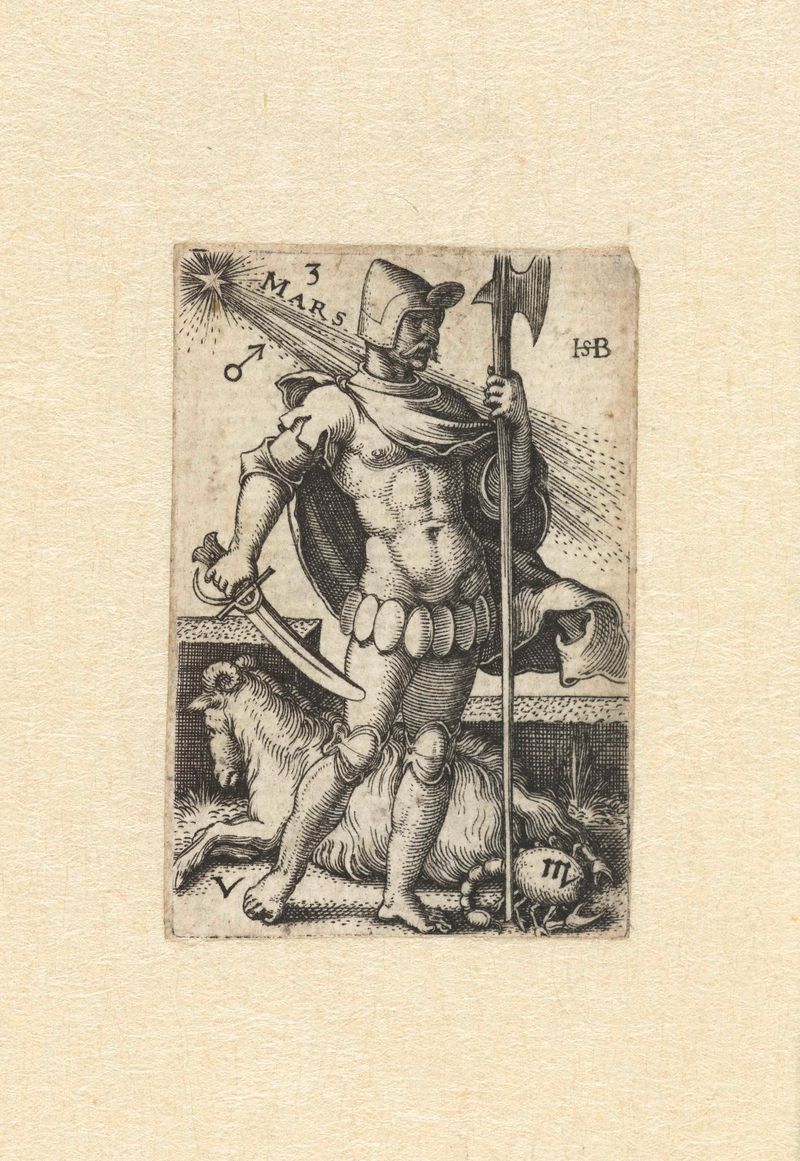
Mars met sterrenbeelden Ram en Schorpioen
Hans Sebald Beham

Achilles in gevecht met Hector
Hans Sebald Beham
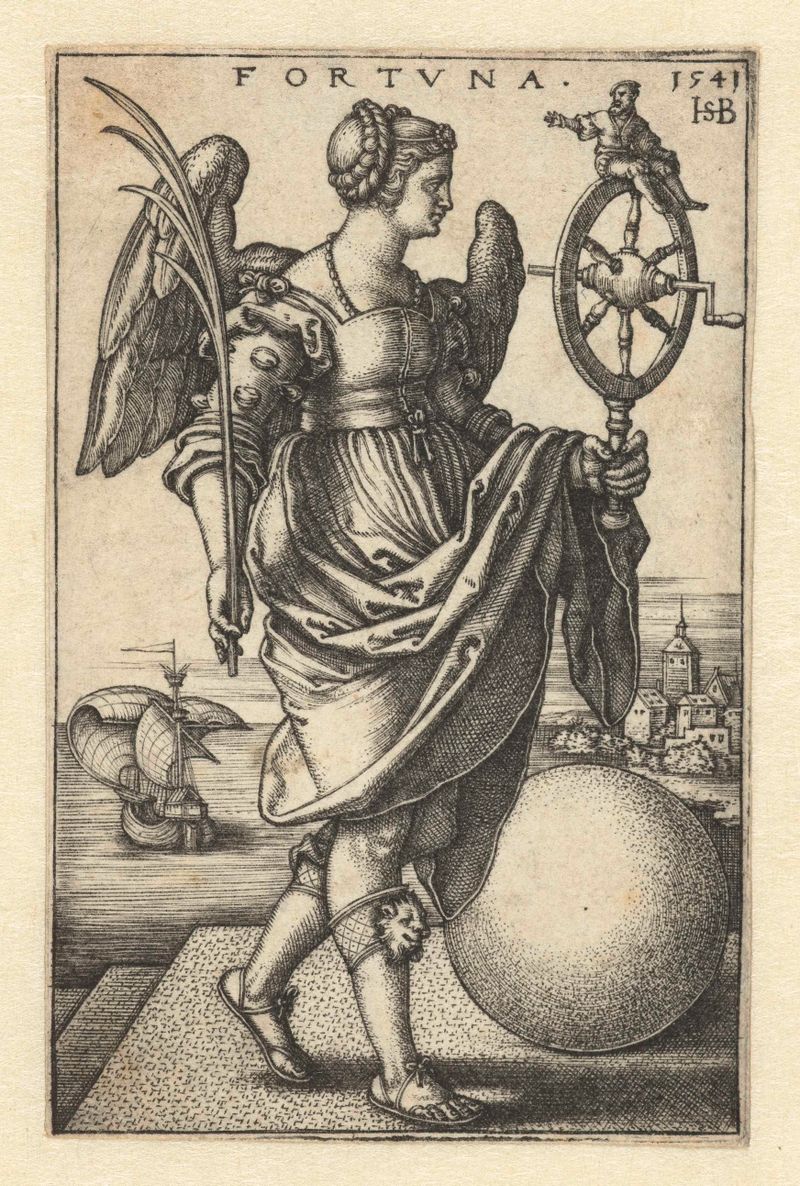
Fortuna
Hans Sebald Beham

Hercules worstelt met Antaeus
Hans Sebald Beham

Twee muzikanten met schalmey en doedelzak
Hans Sebald Beham

Voorzichtigheid (Prudentia)
Hans Sebald Beham

Hercules in gevecht met de Trojanen
Hans Sebald Beham
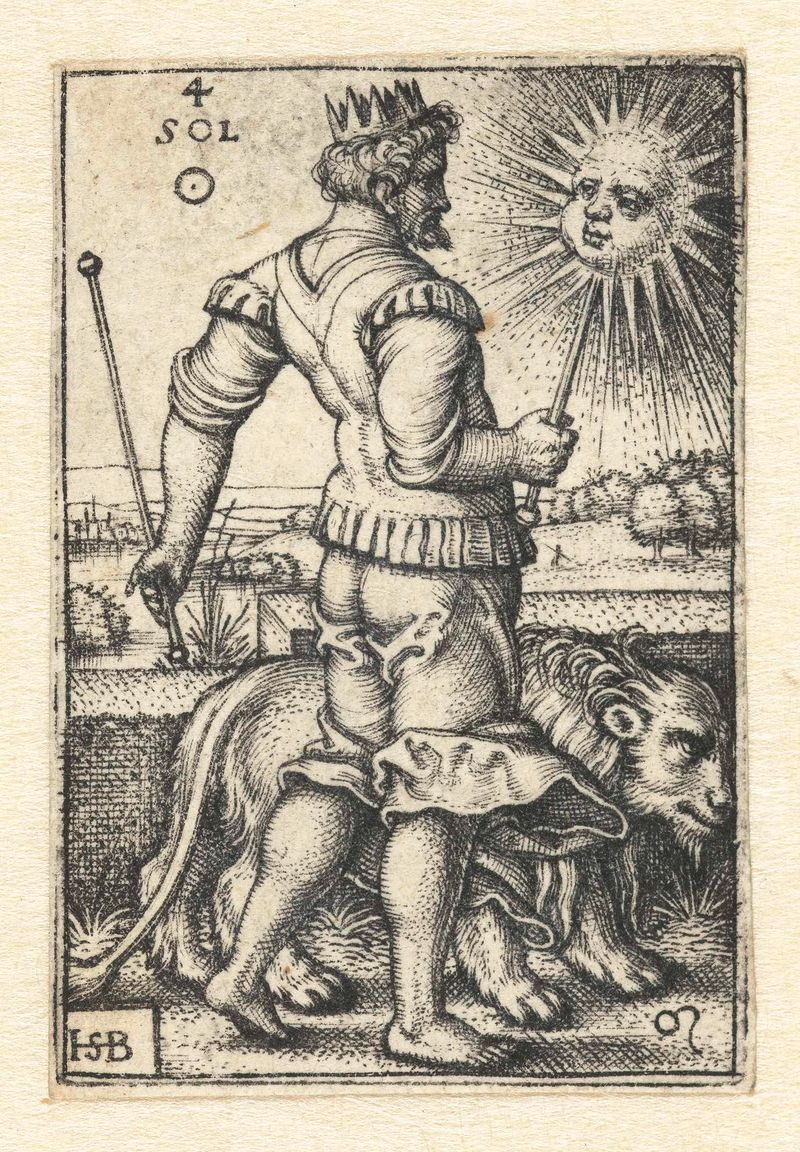
Apollo (Sol) met sterrenbeeld Leeuw
Hans Sebald Beham
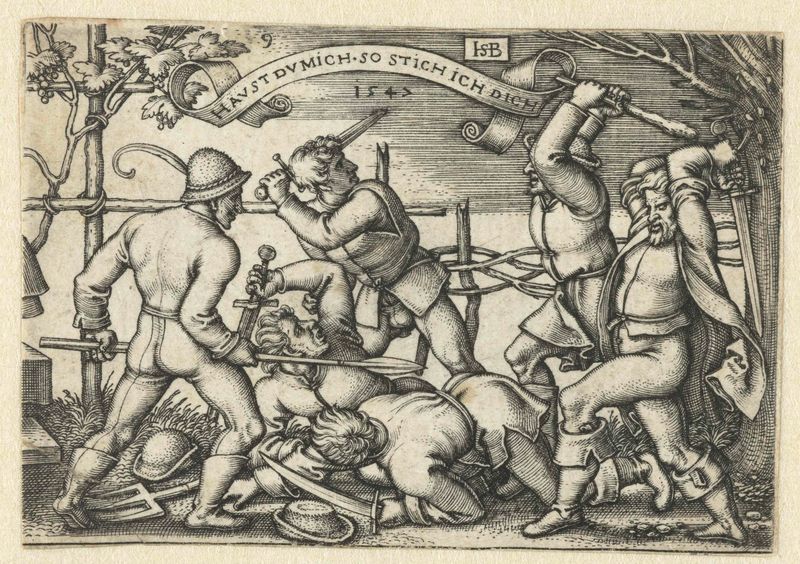
Vechtende boeren met zwaarden
Hans Sebald Beham
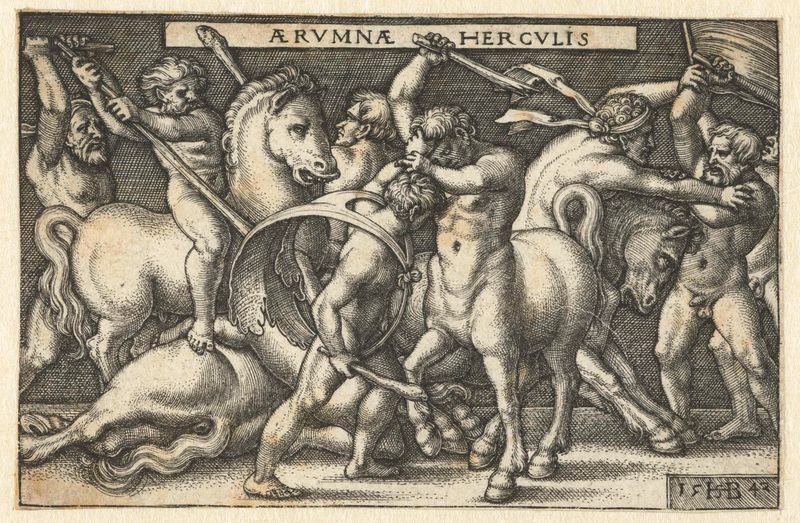
Hercules in gevecht met centaurs
Hans Sebald Beham
More Portrait Art
Browse all →
Las meninas
Diego Velázquez

Self-portrait with a Bandaged Ear and Pipe
Unidentified artist

Girl with a Pearl Earring
Johannes Vermeer

The Sampling Officials of the Amsterdam Drapers’ Guild, Known as ‘The Syndics’
Rembrandt van Rijn

The Hundred Guilder Print: the man seen on the back in the lower left corner
Rembrandt van Rijn

Portrait of Dr Gachet
Vincent van Gogh