
M.H. de Young Mansion, San Francisco — History & Facts
This sentiment echoes through the halls of history, where legacies are both celebrated and obscured. Here, in the work of a lesser-known artist lies a vivid reminder of the beauty that persists, even as the world changes around it. Focus first on the elegant façade of the M.H. de Young Mansion, a striking interplay of architecture and nature.
The artist captures the details of the building’s ornate features and the surrounding lush greenery, allowing the viewer’s gaze to gracefully dance over the contrasting textures and colors. Notice how light filters through the trees, casting intricate shadows that add depth and warmth to the scene, inviting us to step into a moment suspended in time. Delve deeper into the emotional undertones of the piece; the mansion stands as a testament to a rich legacy, yet its isolation hints at the passage of time and the stories left untold. The lush gardens surrounding it serve as both a sanctuary and a reminder of the inevitable decay that accompanies all things.
The contrast between the vibrant life of the flora and the stillness of the mansion evokes a bittersweet nostalgia, illustrating the delicate balance between memory and loss. In 1936, the artist painted this piece amidst a rapidly changing America, as the Great Depression cast a long shadow over many lives. Marguerite Redman Dorgeloh, known for her depictions of architecture and landscapes, found herself reflecting on the impact of history during a time when art was becoming a sanctuary for personal expression. This painting not only represents her artistic journey but captures the essence of a cultural moment that sought to preserve the beauty of what remained.
More Artworks by Marguerite Redman Dorgeloh
Browse all →
Pacific Cable Car, San Francisco
Marguerite Redman Dorgeloh

Battleship House, San Francisco
Marguerite Redman Dorgeloh

Pacific Cable Car–San Francisco
Marguerite Redman Dorgeloh
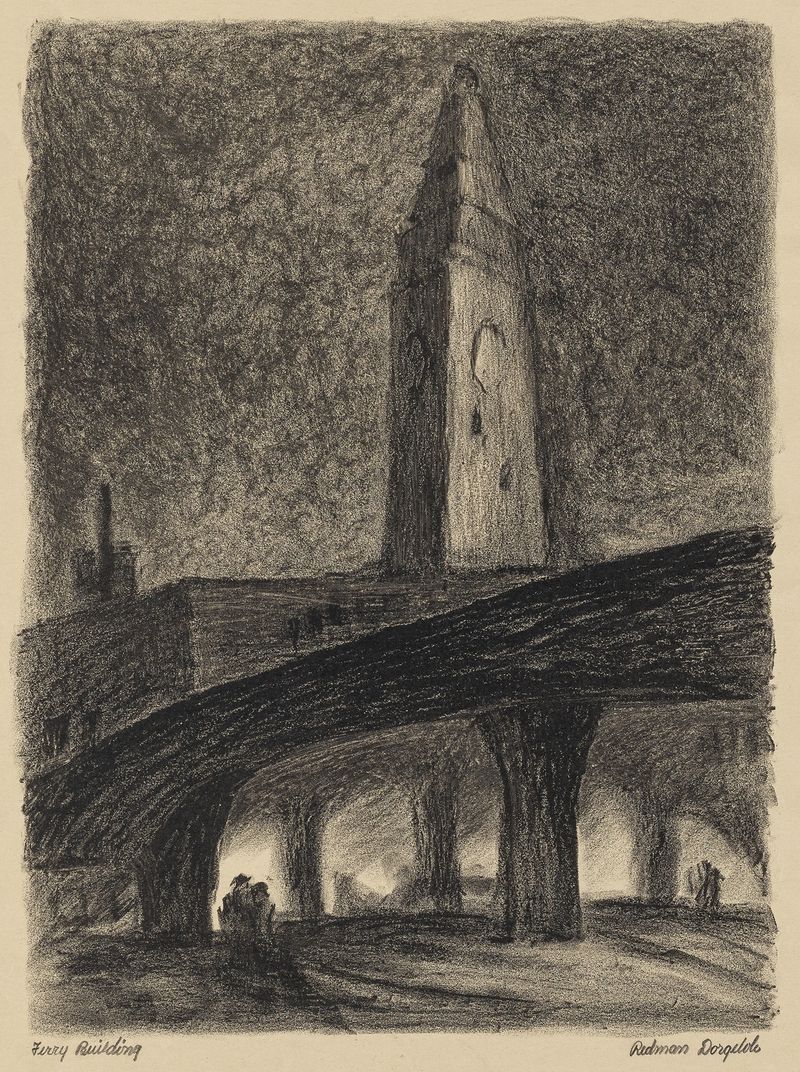
Ferry Building
Marguerite Redman Dorgeloh
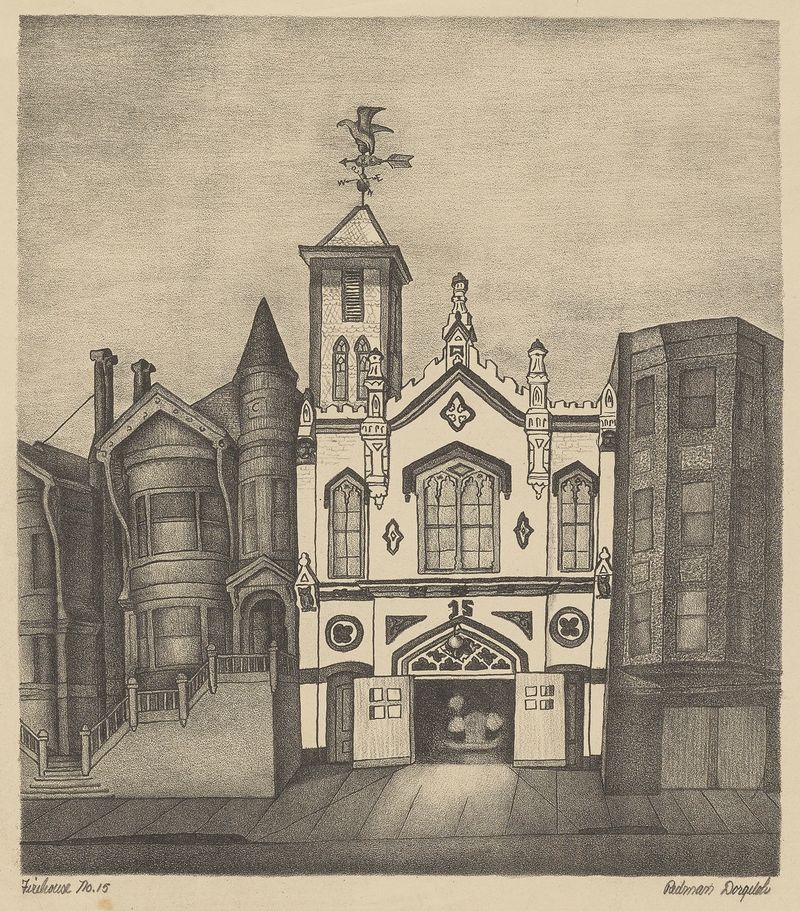
Firehouse No. 15
Marguerite Redman Dorgeloh

Danish Church, San Francisco
Marguerite Redman Dorgeloh
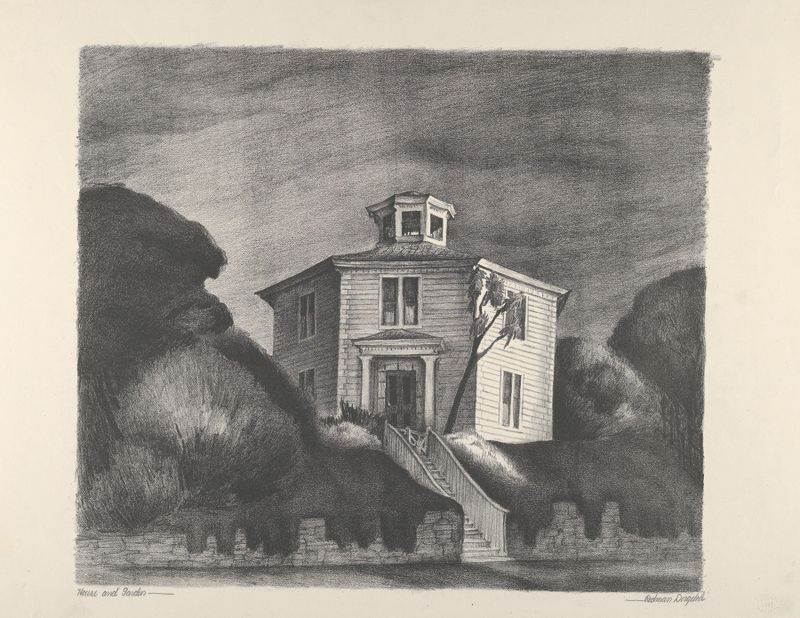
House and Garden
Marguerite Redman Dorgeloh
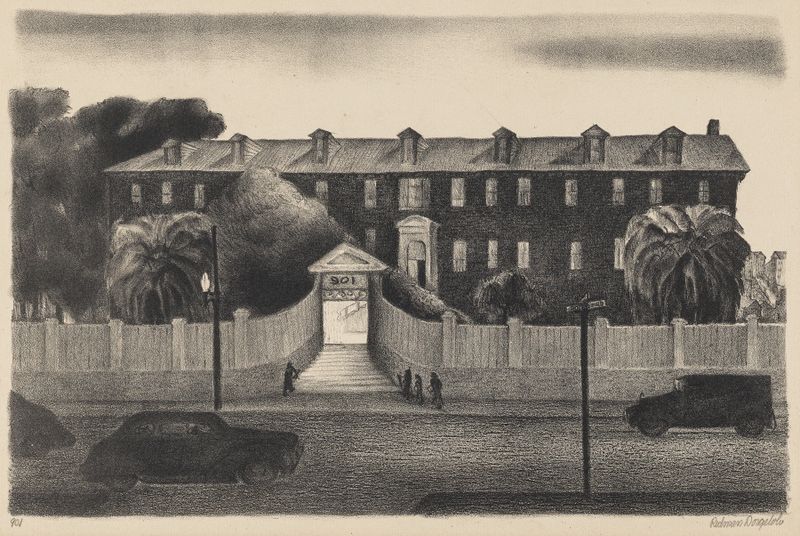
901 (Street View, Unidentified Building)
Marguerite Redman Dorgeloh

Danish Church, San Francisco
Marguerite Redman Dorgeloh
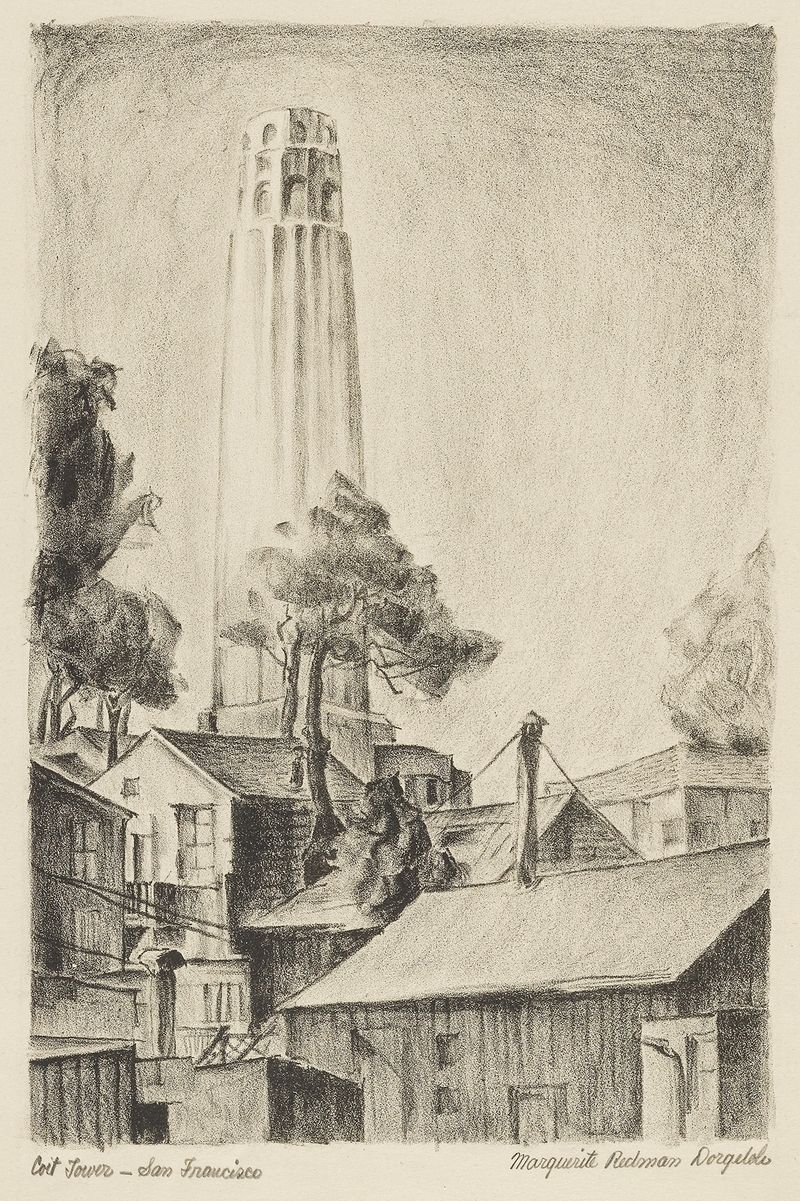
Coit Tower, San Francisco
Marguerite Redman Dorgeloh
More Architecture Art
Browse all →
The statue of Liberty
Frédéric Auguste Bartholdi

View of Houses in Delft, Known as ‘The Little Street’
Johannes Vermeer

View of Houses in Delft, Known as ‘The Little Street’
Johannes Vermeer

The Cathedral in Rouen. The portal, Grey Weather
Claude Monet

The yellow house
Vincent van Gogh

The Church in Auvers-sur-Oise, View from the Chevet
Vincent van Gogh