
Pacific Cable Car, San Francisco — History & Facts
What secret hides in the quiet of the canvas? The vibrant palette of Pacific Cable Car invites viewers to explore the interplay between color and emotion, revealing layers of a bustling city captured in serene stillness. Look to the left at the radiant golden hues illuminating the cable car, which stands as the focal point of this piece. The artist deftly employs a spectrum of blues and greens in the background, mimicking the melodic undulations of San Francisco's hills. Notice how the light dances across the surface, creating a sense of movement that contrasts with the stillness of the passengers inside, their expressions cloaked in contemplation.
The meticulous brushwork adds depth, inviting the eye to travel along the rails, leading directly into the heart of the scene. Beneath the vibrant exterior lies a rich tapestry of emotional tension. The solitude of the riders amidst the hustle of the city hints at a longing for connection, while the vivid colors suggest a city alive with potential and promise. This contrast between personal introspection and the vibrant life outside the cable car reflects a broader narrative of urban existence — a fleeting moment suspended in time but charged with meaning. In the years between 1935 and 1943, Marguerite Redman Dorgeloh created this piece while living in San Francisco, a city grappling with the effects of the Great Depression.
With her background in illustration and design, she brought a unique perspective to the canvas, infusing local life with an artistic sensibility that captured both the essence of the city and the individual experience within it. The painting stands as a testament to an era of resilience and transformation.
More Artworks by Marguerite Redman Dorgeloh
Browse all →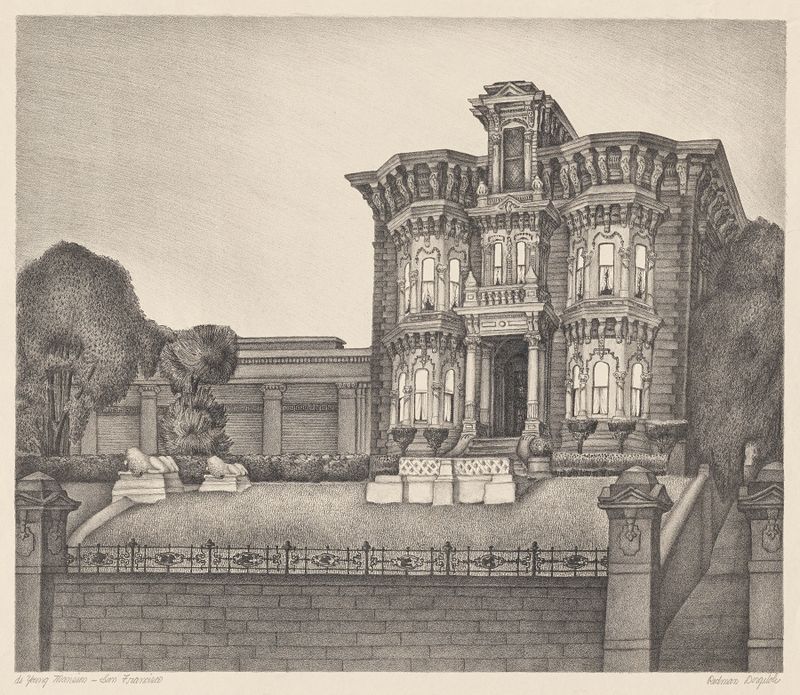
M.H. de Young Mansion, San Francisco
Marguerite Redman Dorgeloh

Battleship House, San Francisco
Marguerite Redman Dorgeloh

Pacific Cable Car–San Francisco
Marguerite Redman Dorgeloh
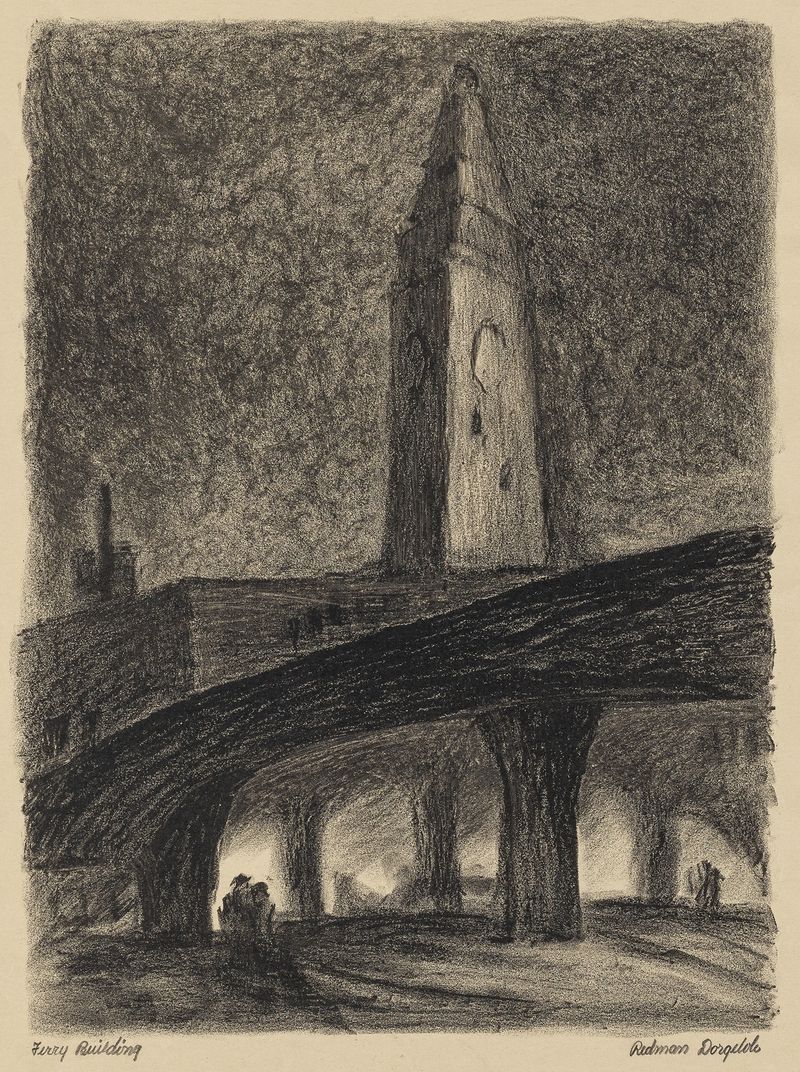
Ferry Building
Marguerite Redman Dorgeloh
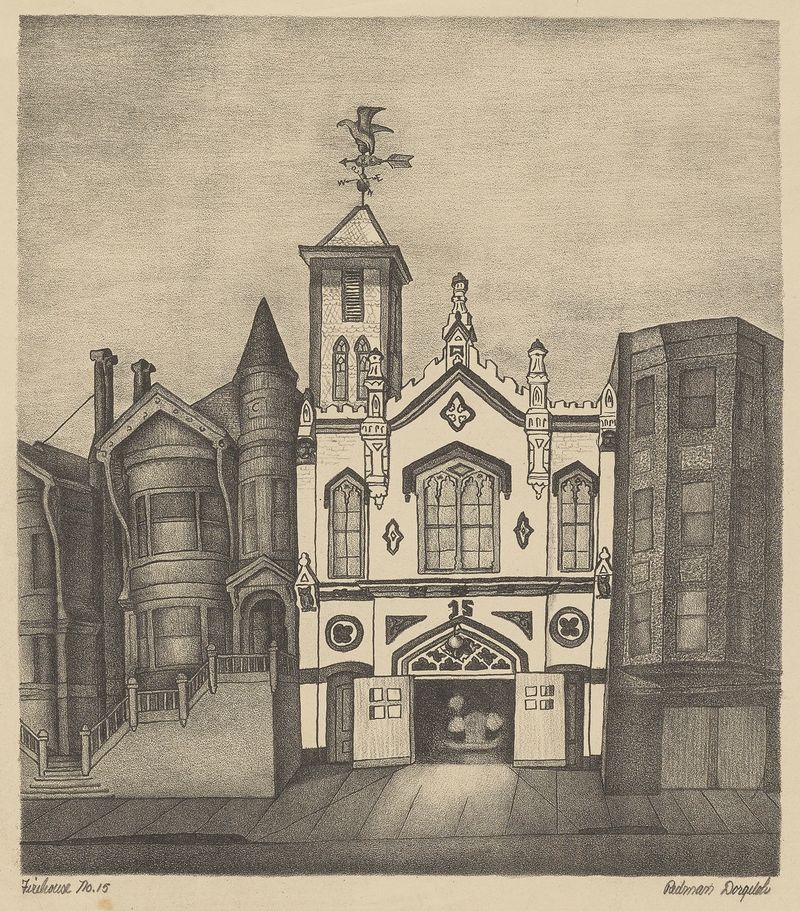
Firehouse No. 15
Marguerite Redman Dorgeloh

Danish Church, San Francisco
Marguerite Redman Dorgeloh
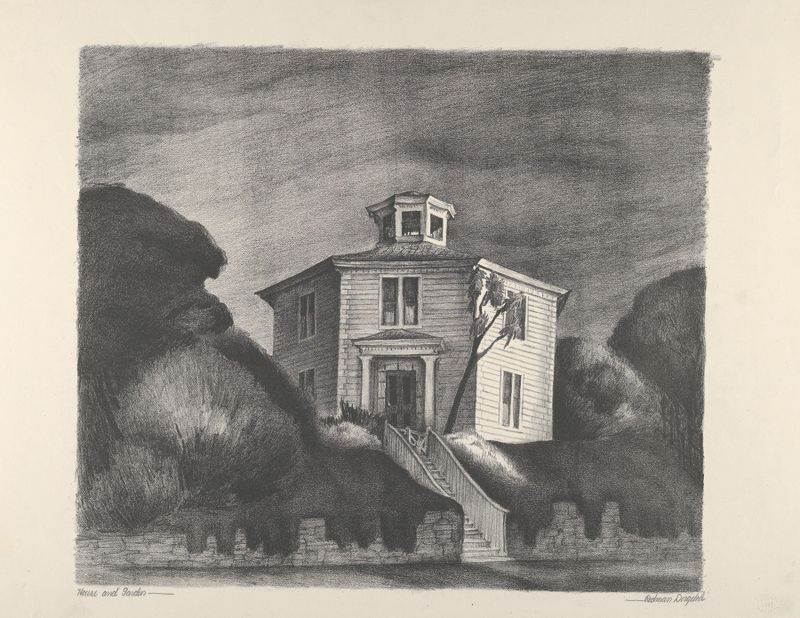
House and Garden
Marguerite Redman Dorgeloh
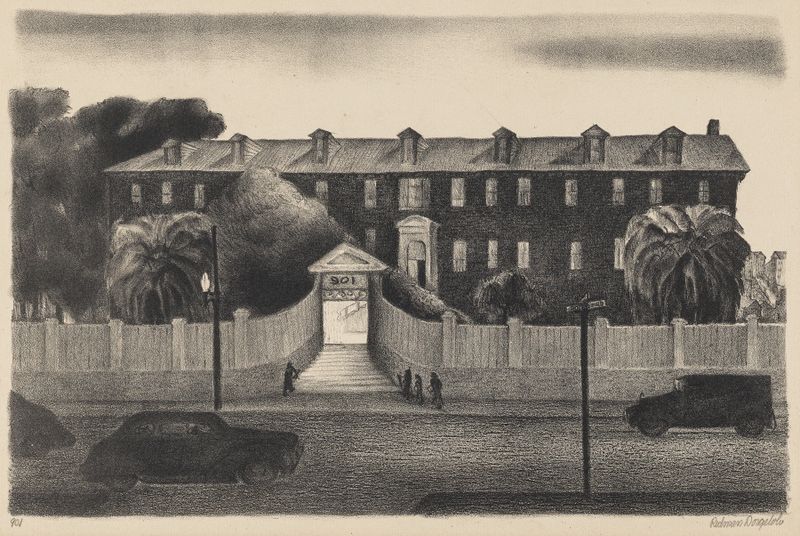
901 (Street View, Unidentified Building)
Marguerite Redman Dorgeloh

Danish Church, San Francisco
Marguerite Redman Dorgeloh
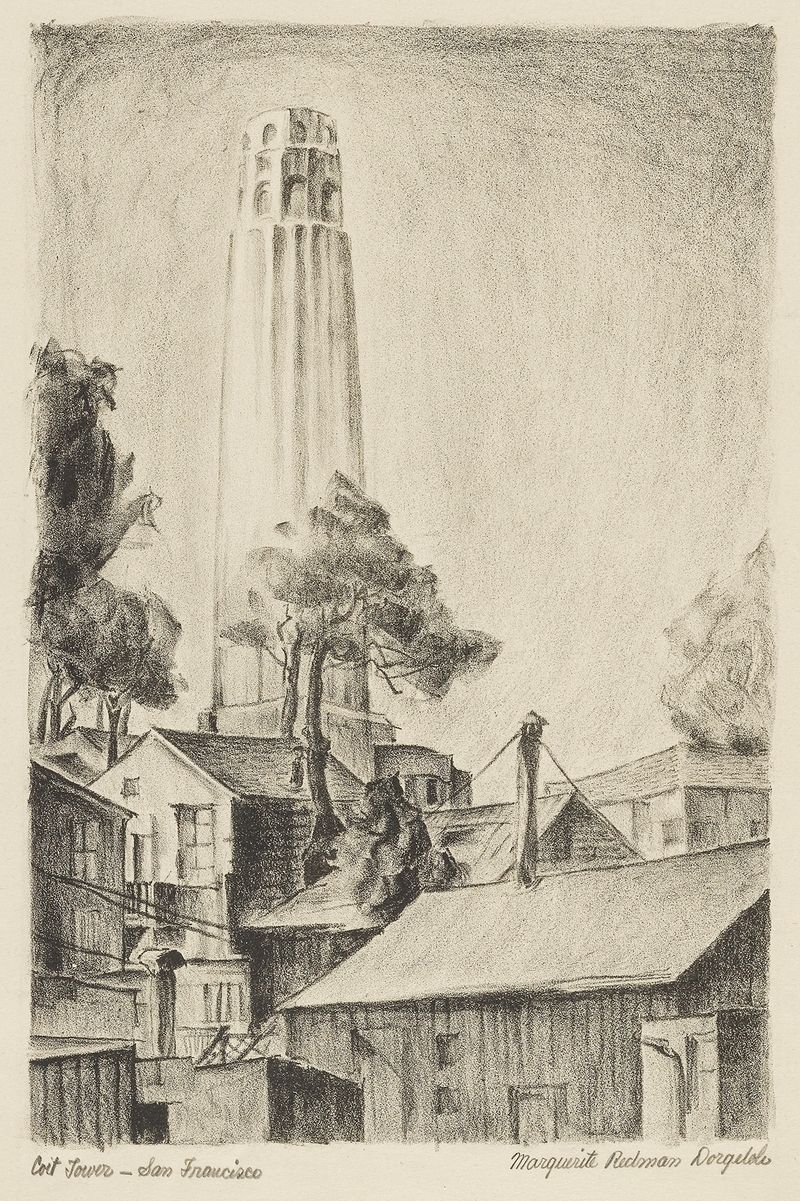
Coit Tower, San Francisco
Marguerite Redman Dorgeloh
More Architecture Art
Browse all →
The statue of Liberty
Frédéric Auguste Bartholdi

View of Houses in Delft, Known as ‘The Little Street’
Johannes Vermeer

View of Houses in Delft, Known as ‘The Little Street’
Johannes Vermeer

The Cathedral in Rouen. The portal, Grey Weather
Claude Monet

The yellow house
Vincent van Gogh

The Church in Auvers-sur-Oise, View from the Chevet
Vincent van Gogh