
Mies Vaasa-ajan asussa — History & Facts
What first catches the eye in Mies Vaasa-ajan asussa by Albert Edelfelt is the solitary, almost theatrical presence of a man standing barefoot, clad in a voluminous red garment with a pronounced ruff at his neck. The figure is turned in profile, his attention seemingly focused on something just beyond the edge of the paper, inviting the viewer to imagine the unseen world he inhabits. The artist’s light, deft touch allows the fabric to hang with convincing weight, while the careful modeling of the legs and hands brings a sense of immediacy and vulnerability.
The empty expanse surrounding the figure heightens his isolation, making him appear both studied and adrift—a living fragment from another age. Works like this, with their focus on historical costume and character, were often created in the late nineteenth and early twentieth centuries as part of a broader fascination with national history and identity. In Finland, artists such as Albert Edelfelt played a central role in shaping a visual language for the country’s past, drawing on both academic training and a romantic sensibility. The title, which refers to “a man in the dress of the Vaasa era,” roots the image in a specific period, yet the lack of setting or narrative detail leaves the figure suspended in time.
Now held in the Finnish National Gallery’s collection, this study quietly reminds us how the past can be conjured with just a few strokes, and how much story can be found in a single, silent pose.
More Artworks by Albert Edelfelt

The Day of Rest
Albert Edelfelt
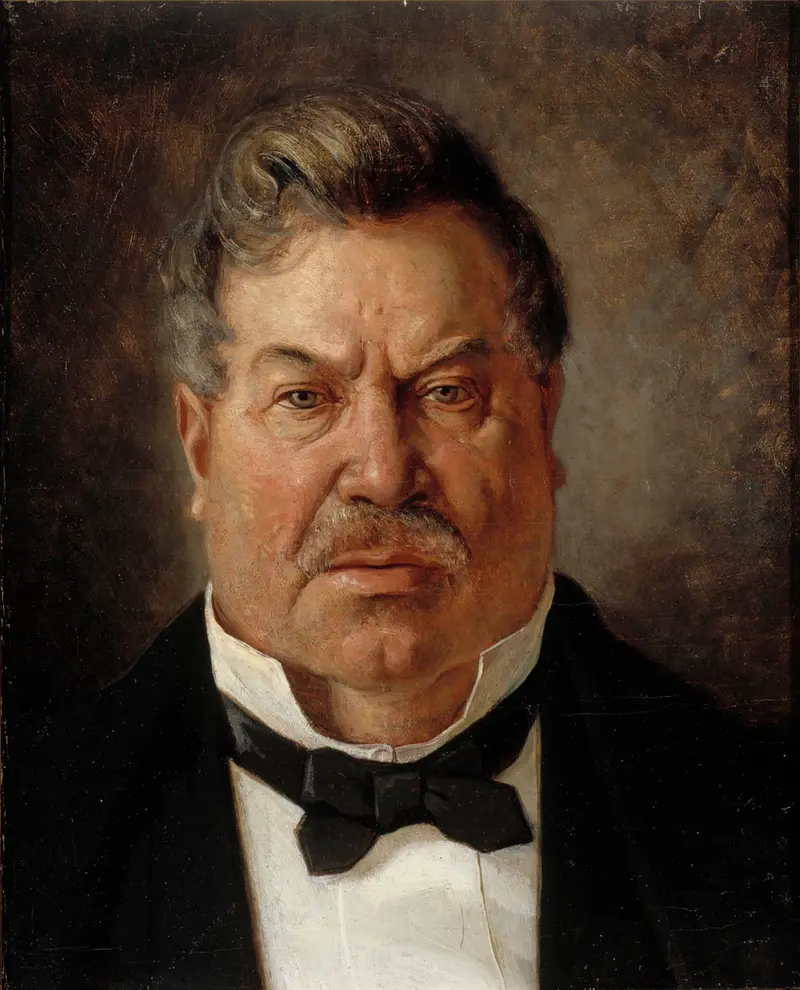
Portrait of August Streng
Albert Edelfelt
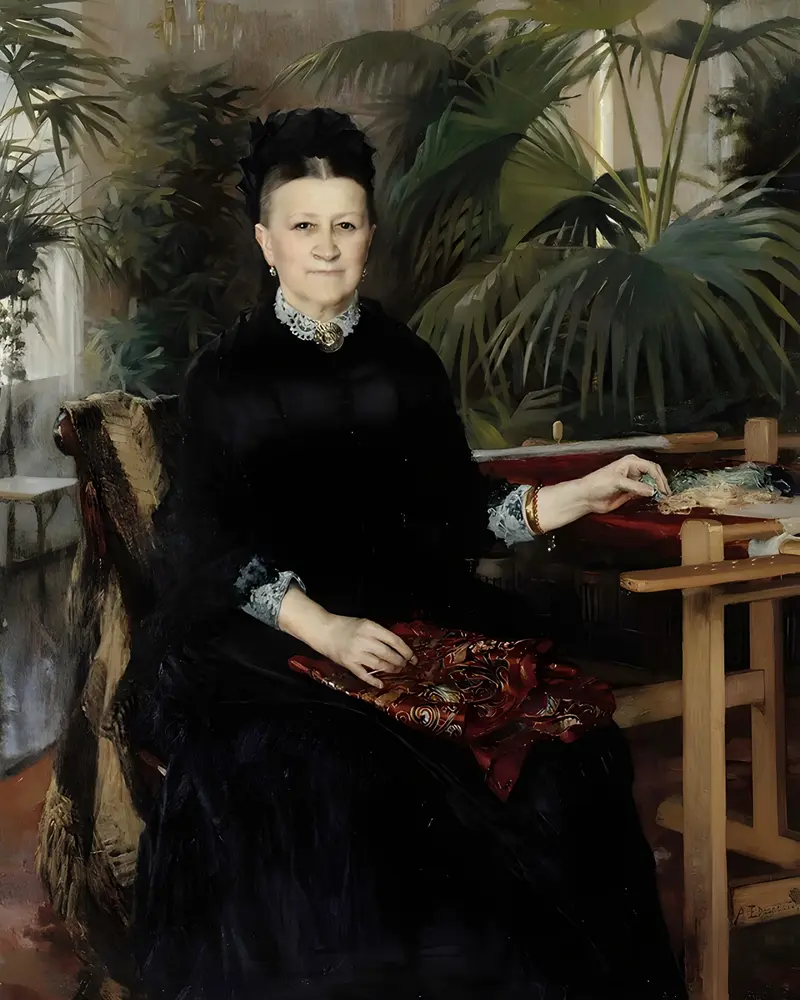
Portrait Of Mrs. Anna Sinebrychoff
Albert Edelfelt

The Poet, Larin Paraske
Albert Edelfelt

Parisian lady in a Peignoir
Albert Edelfelt
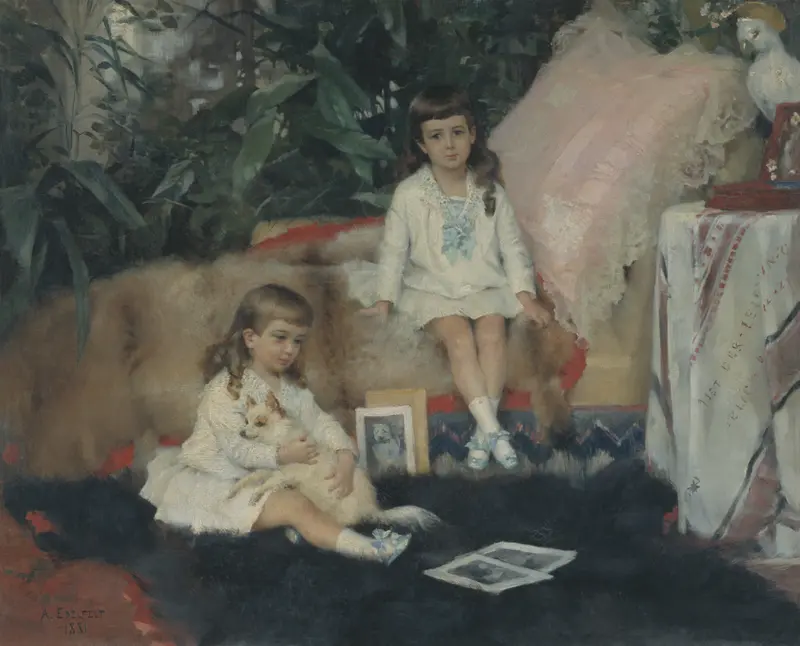
The Grand Dukes Boris and Kirill Vladimirovich as Children
Albert Edelfelt
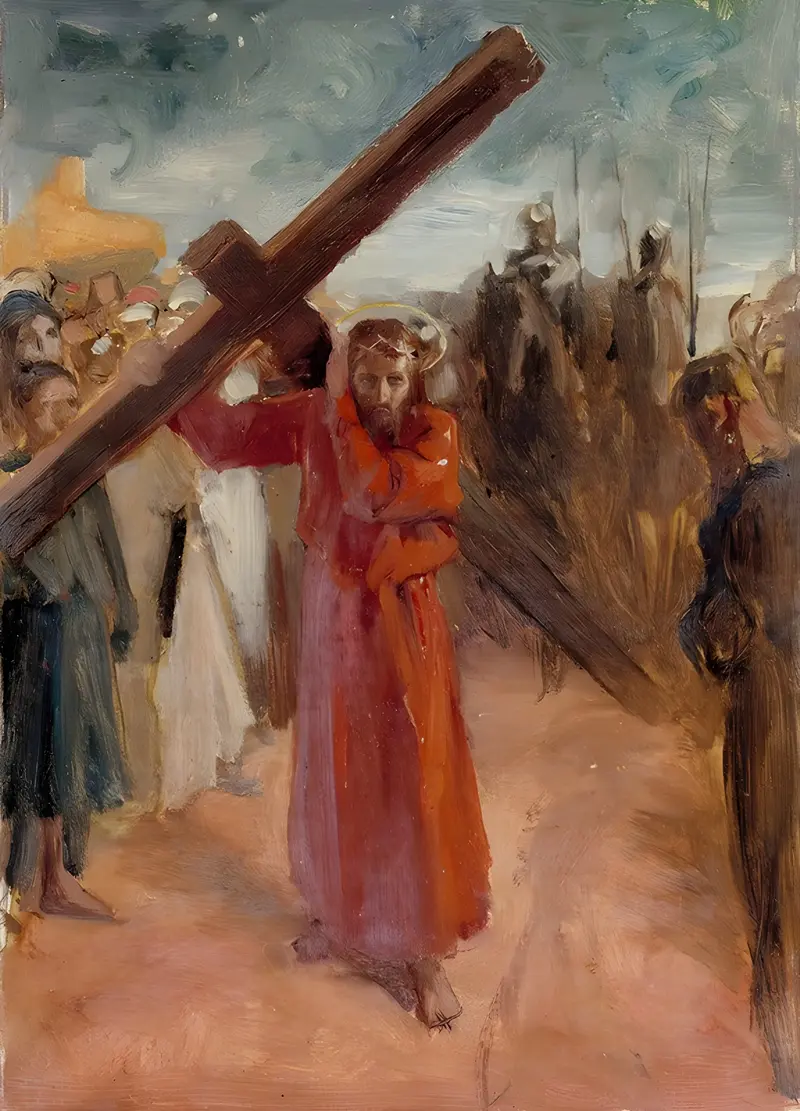
Christ Bears The Cross
Albert Edelfelt
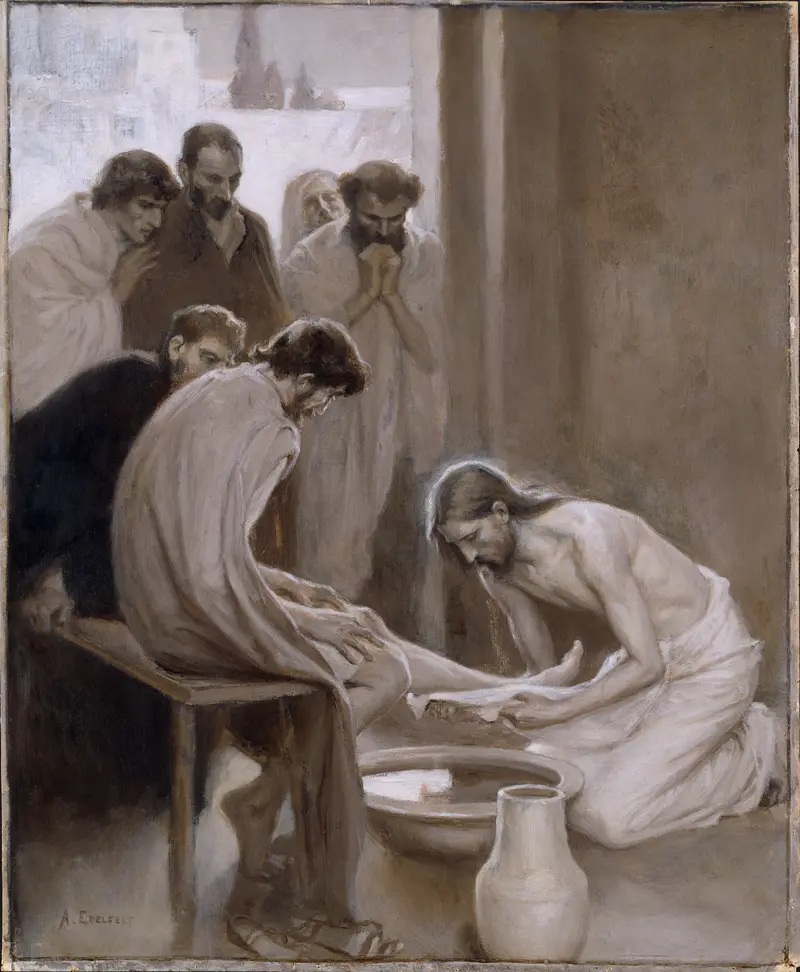
Jesus Washing the Feet of his Disciples
Albert Edelfelt

Larin Paraske with Kantele
Albert Edelfelt
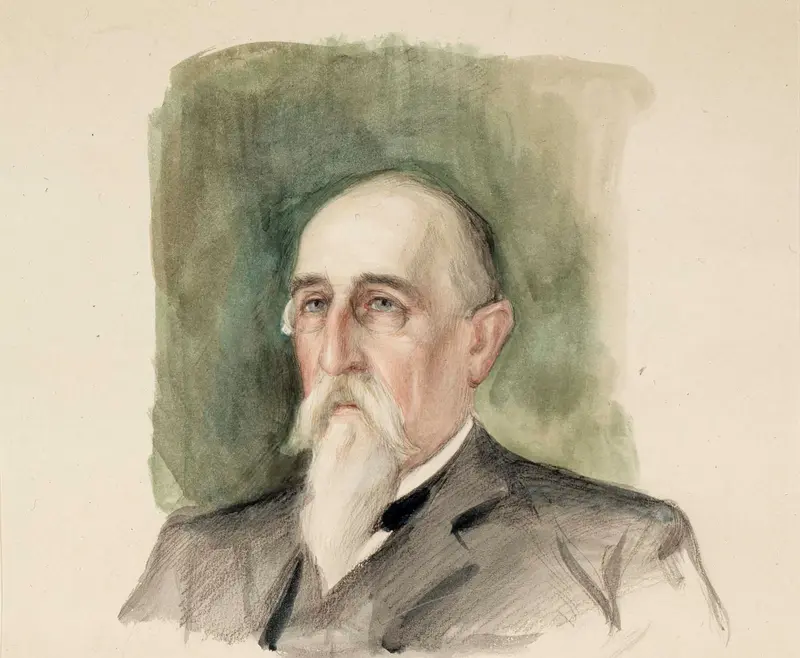
Leo Mechelin, Portrait Study
Albert Edelfelt



