
Mill Yard, Holland Estate, St. Thomas in the East — History & Facts
In Mill Yard, Holland Estate, St. Thomas in the East, the brush captures a moment suspended between memory and loss, where the lush landscape hides whispers of betrayal and forgotten histories. Look to the left at the sprawling fields, ripe with the deep greens of sugar cane, hinting at prosperity yet concurrently obscuring the toil that nurtured them. The structured mill, with its faded pastels, draws the eye to its imposing presence, standing sentinel over the land.
Notice how the light dances across the foliage, creating a warm invitation that belies the darker truths woven into the very fabric of the scene. The contrast between the serene beauty of the landscape and the towering mill speaks volumes about the duality of colonial existence. The mill, a symbol of progress, also stands as a reminder of exploitation, where the labor of many remains unseen. There’s a subtle tension held between the idyllic portrayal of nature and the underlying reality of human suffering, encapsulating the betrayal of both land and people often left unacknowledged. During the years 1820 to 1821, the artist created this work while residing in Jamaica, an island at the crossroads of colonial exploitation and natural beauty.
Amidst the rise of Romanticism in art, Hakewill sought to document the peculiar charm of the Caribbean landscape, yet he also confronted the shadows of its historical context. In a world grappling with the implications of colonialism, his work reflects the complexities and contradictions of a land that was both breathtaking and deeply troubled.
More Artworks by James Hakewill
Browse all →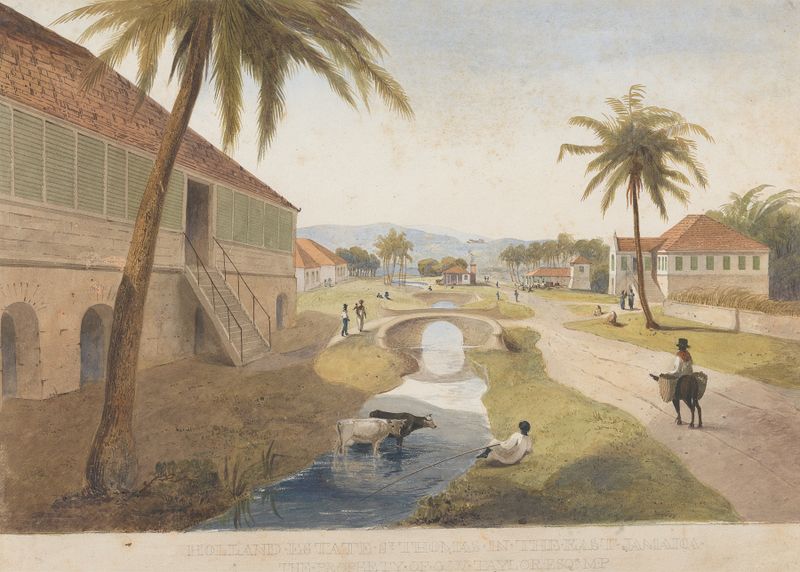
Holland Estate, St. Thomas in the East, Jamaica
James Hakewill
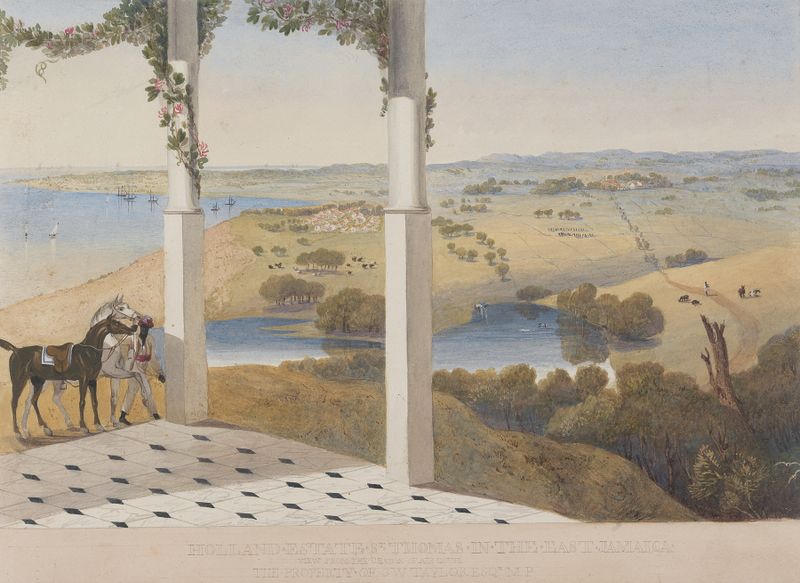
Holland Estate, St. Thomas in the East, View from the Change of Air House
James Hakewill
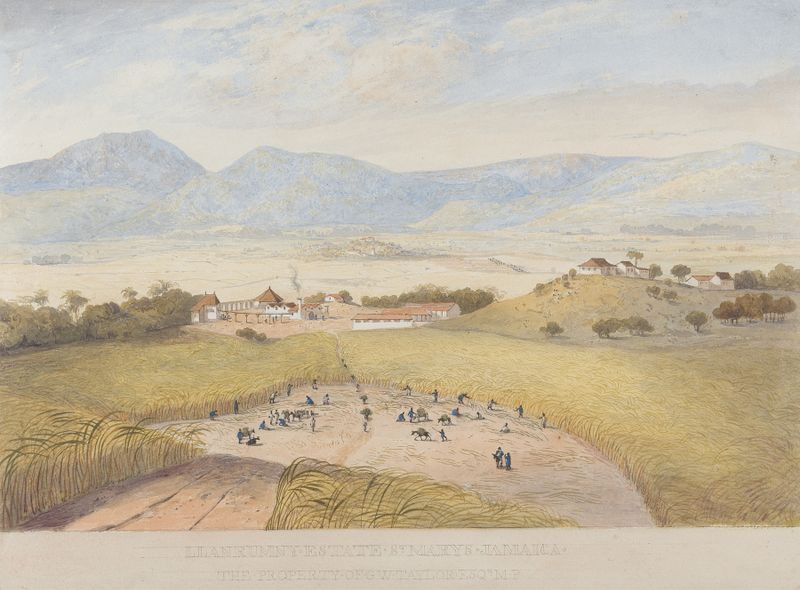
Llanrumny Estate, St. Mary’s, Jamaica
James Hakewill
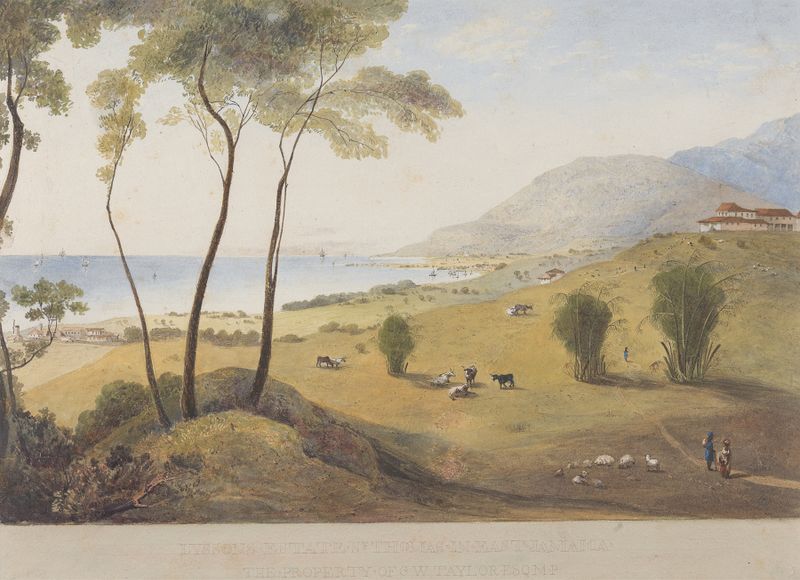
Lyssons Estate, St. Thomas in the East, Jamaica
James Hakewill

Haughton Court, Hanover, Jamaica
James Hakewill





