Misty Landscape — History & Facts
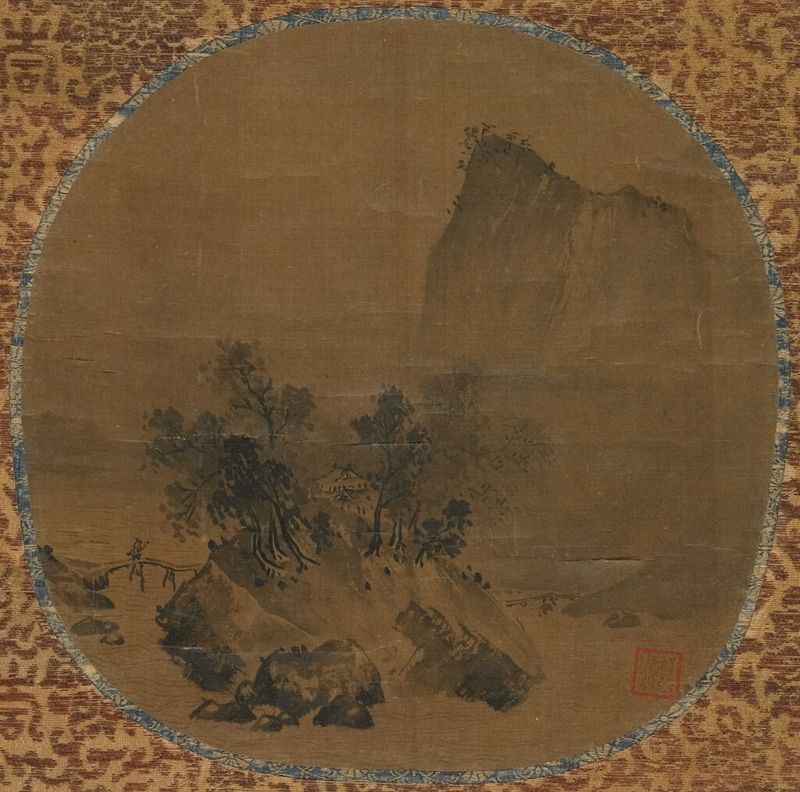
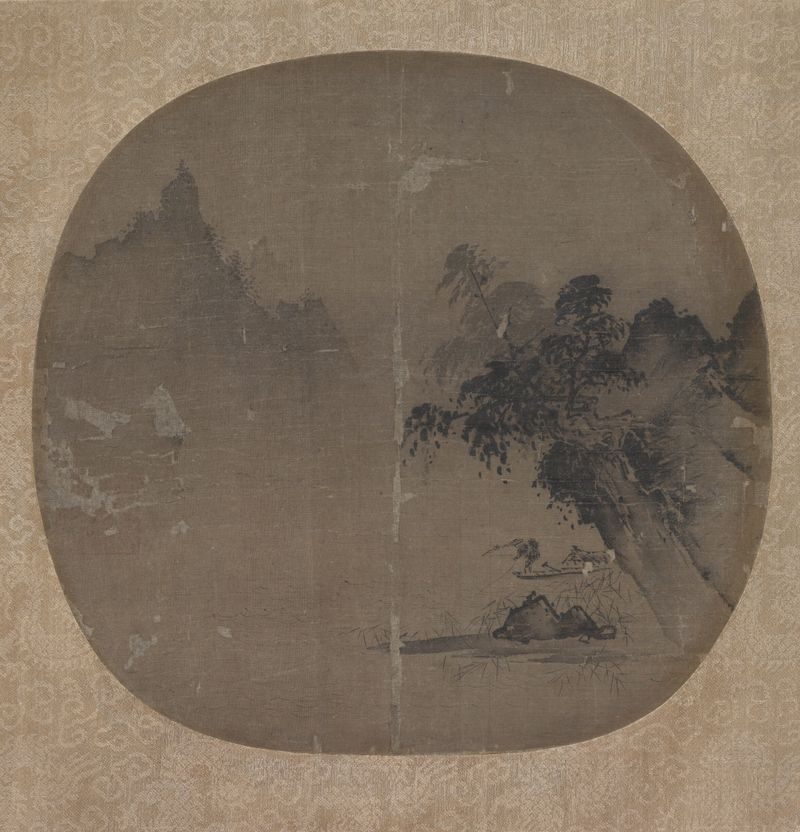
In the delicate brushstrokes of a misty landscape, fragility becomes the lens through which we perceive existence and its fleeting nature. Look closely at the soft gradations of gray and blue that envelop the scene in a shroud of mist. The mountains emerge like whispered secrets, their peaks barely visible above the veil of fog. Notice how the gentle flow of the water at the bottom reflects the ethereal quality of the sky, bending the boundaries between earth and air.
Each stroke seems to echo a whisper of serenity and solitude that invites contemplation. Hidden within the haze lies a profound exploration of transience. The mist conveys a sense of impermanence, suggesting that beauty often exists just beyond our grasp. The contrasting solidity of the mountains against the ephemeral fog creates a tension between stability and vulnerability, urging the viewer to reflect on the nature of existence.
This balance speaks to the fragility of life itself, where moments fade yet leave lasting impressions. During the 15th-16th century, Xia Gui crafted Misty Landscape amidst a cultural resurgence of ink painting in China, a time when literati artists sought to convey deeper meanings through subtlety and suggestion. Influenced by the philosophical currents of Taoism and Buddhism, he embraced the complexities of nature and human emotion, encouraging a meditative experience that resonated with the turbulence of his era.