Målning — History & Facts
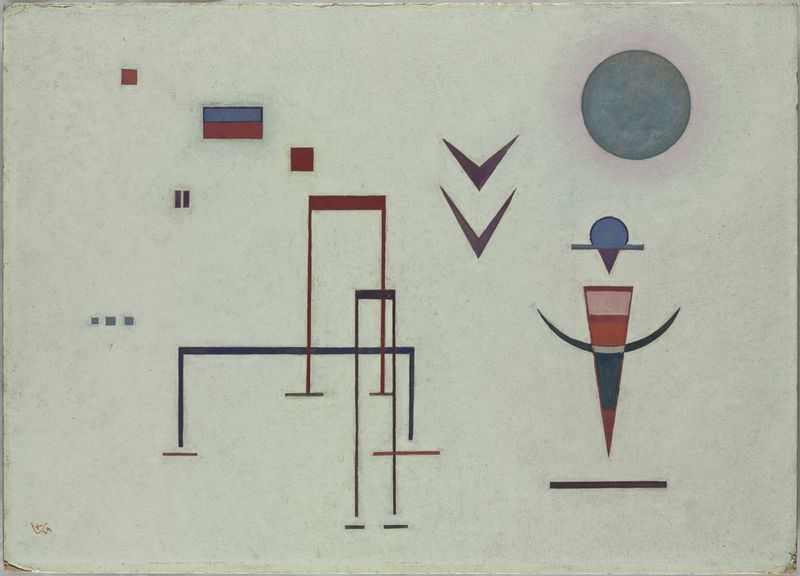
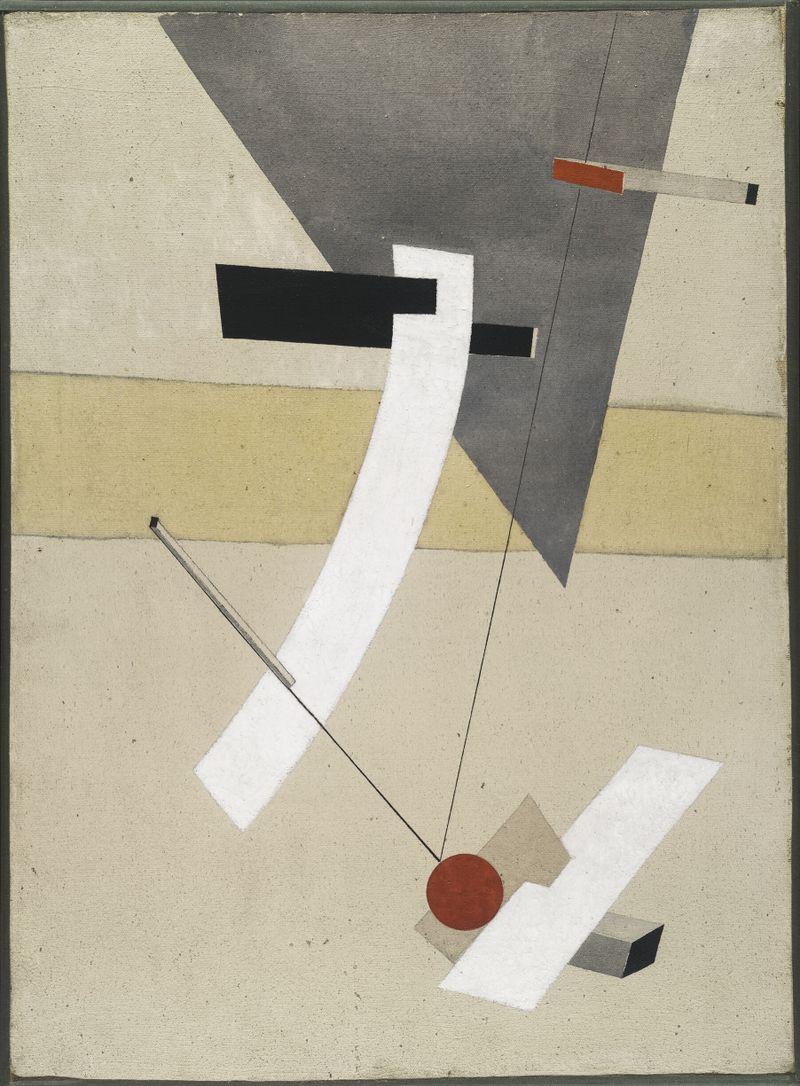
Can beauty exist without sorrow? The delicate interplay of light and shadow in this work evokes a haunting sense of longing, suggesting that within the void, profound emotions may linger. Look to the center where a series of overlapping shapes converge, each marked by a subtle interplay of muted colors. The artist’s technique, a blend of soft brushstrokes and sharp contrasts, draws the eye into a labyrinth of forms, inviting exploration. Notice how the light dances off the edges of these shapes, creating a rhythm that pulsates with life, yet hints at an underlying emptiness. Delve deeper, and you’ll find a tension that lies beneath the surface, a juxtaposition of chaos and harmony.
The muted palette, primarily composed of greys and blues, evokes a sense of melancholy, while splashes of brighter hues suggest fleeting moments of joy or hope. There’s an echo of the void that lingers, a reminder that beauty often emerges from the depths of sorrow, challenging viewers to confront their own emotional landscapes. Created during a time when the art world was grappling with abstraction and expressionism, this piece reflects Ljungman’s pursuit of capturing the intangible. Though the exact period remains uncertain, Ljungman explored themes of existence and emotional depth throughout his career, contributing to a broader dialogue on the role of art in expressing the complexities of the human experience.