
Monaco (Riviera di Ponente) — History & Facts
Did the painter know this moment would outlive them? In the quiet madness of creation, beauty can become a haunting echo of time—capturing not just a scene, but an emotion that lingers long after the brushstrokes dry. Focus on the azure expanse that stretches across the canvas, where the sea meets the sky in an embrace of vibrant blues. The viewer's eye is drawn to the bustling activity along the shoreline; figures appear small against the vastness of nature, their gestures echoing a dance of leisure and life. Notice how the sunlight dapples the landscape, glinting off the water and illuminating the vivid colors of the boats that dot the harbor, each stroke a meticulous reflection of joy and momentary escape. Yet, beyond this idyllic scene lies an undercurrent of tension.
The contrast between the tranquil water and the lively figures suggests a fleeting happiness, as if the beauty of the Riviera masks deeper, unspoken madness. The serenity of the setting may hint at the inevitability of change, urging viewers to contemplate the uncertainties that lie beneath surface beauty. Is this paradise merely a mirage, a moment frozen that hints at the chaos of life beneath? Zimmermann painted this work in 1865, during a period of artistic evolution in Europe.
He was immersed in the vibrant art scene of the time, influenced by developments in Impressionism and the picturesque ideals of coastal landscapes. As he captured the essence of the Riviera, he was also reflecting the nostalgia and escapism that characterized an era straddling tradition and modernity—a world on the brink of change.
More Artworks by Albert Zimmermann
Browse all →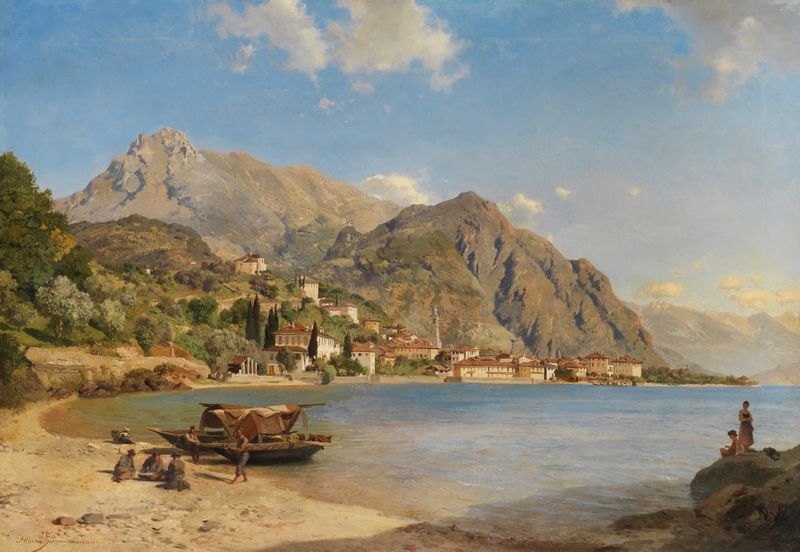
Am Ufer des Comer Sees (Menaggio)
Albert Zimmermann

Gewittersturm im Hochgebirge
Albert Zimmermann

A Lake in the Alps, in the Background the Monte Rosa Chain in Switzerland
Albert Zimmermann

Landscape
Albert Zimmermann
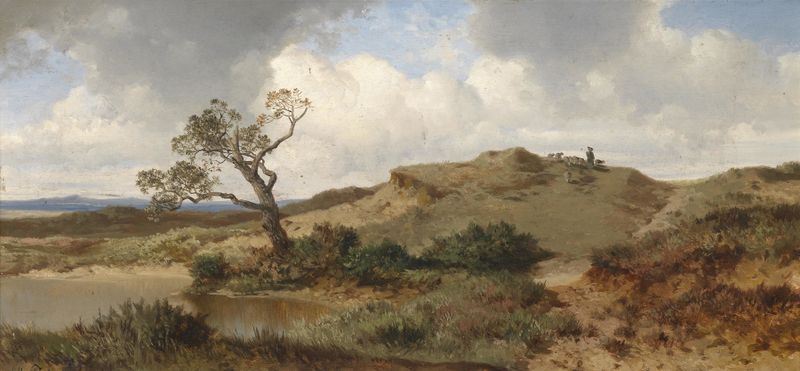
Schwäbische Alb
Albert Zimmermann

Coastal Landscape In Sorrento Near Naples
Albert Zimmermann
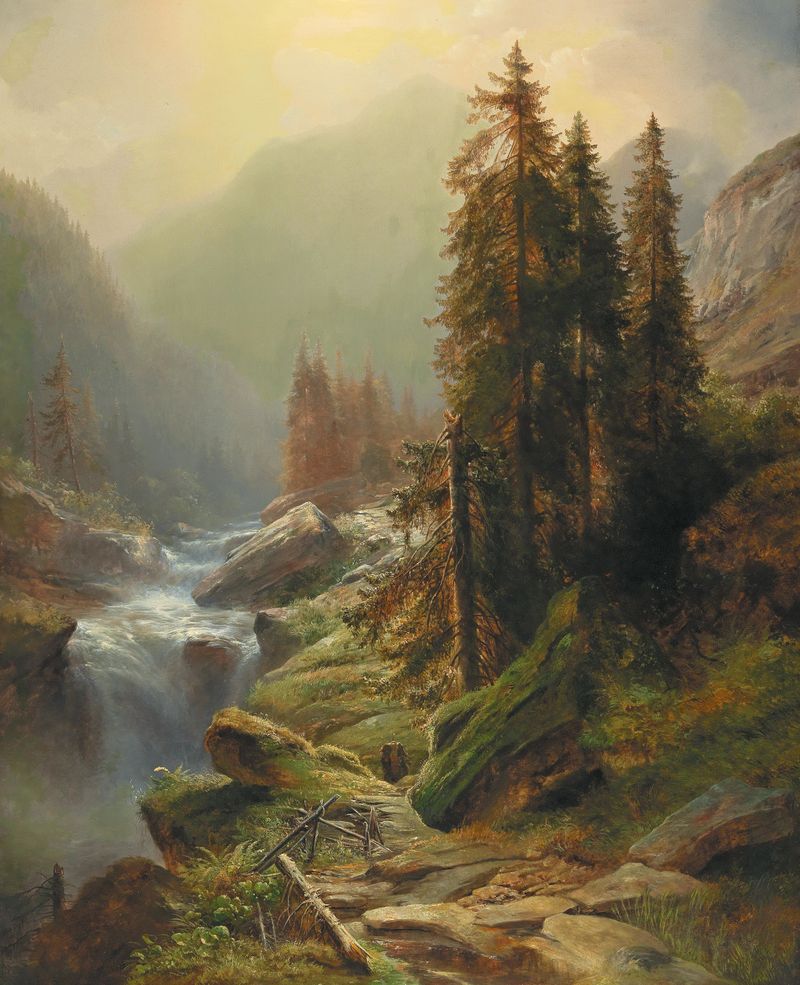
Large Mountain Landscape
Albert Zimmermann
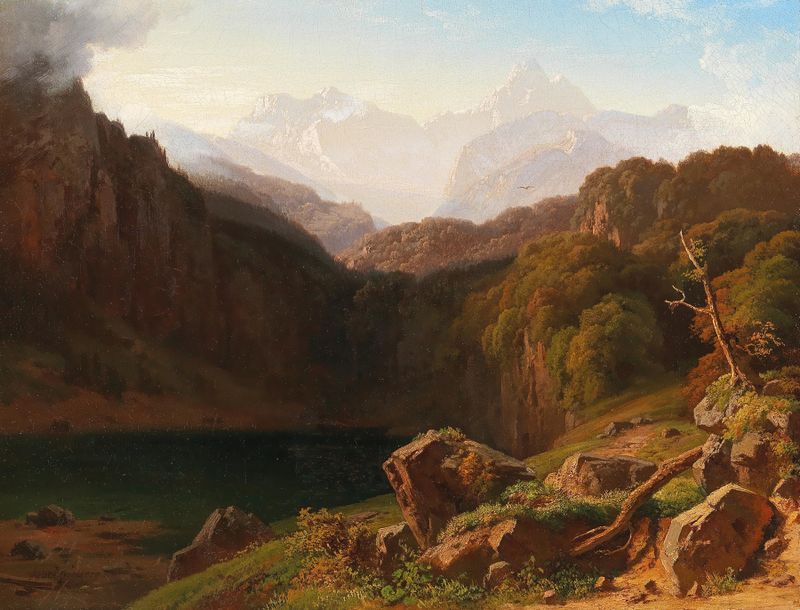
A View of Grossglockner from Kals
Albert Zimmermann
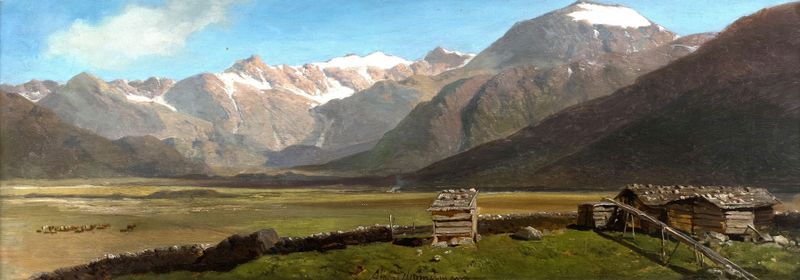
Almhütten auf einer Ebene mit Gebirgskette
Albert Zimmermann
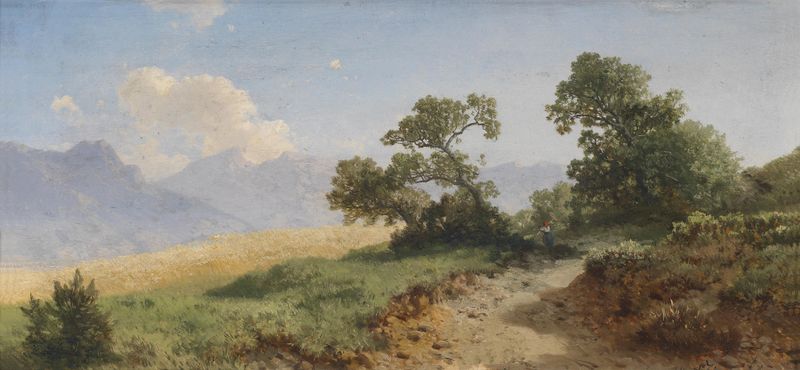
Landschaft mit figürlicher Staffage
Albert Zimmermann





