Mondaufgang — History & Facts
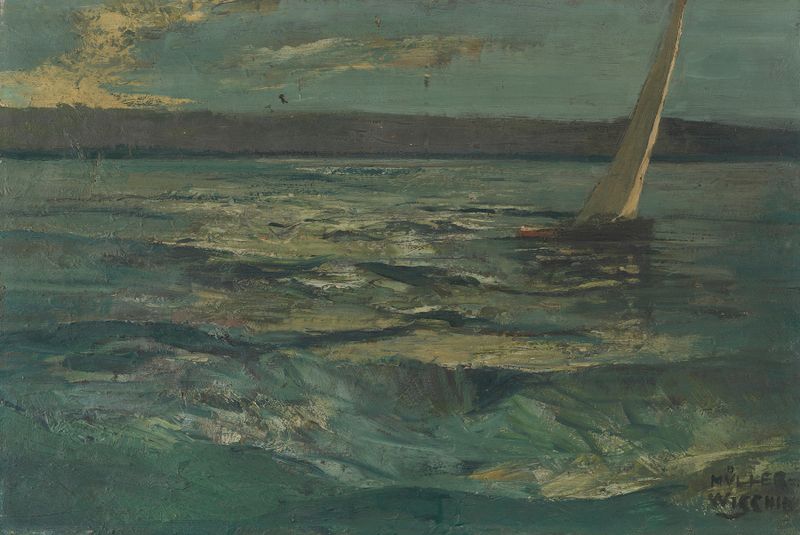
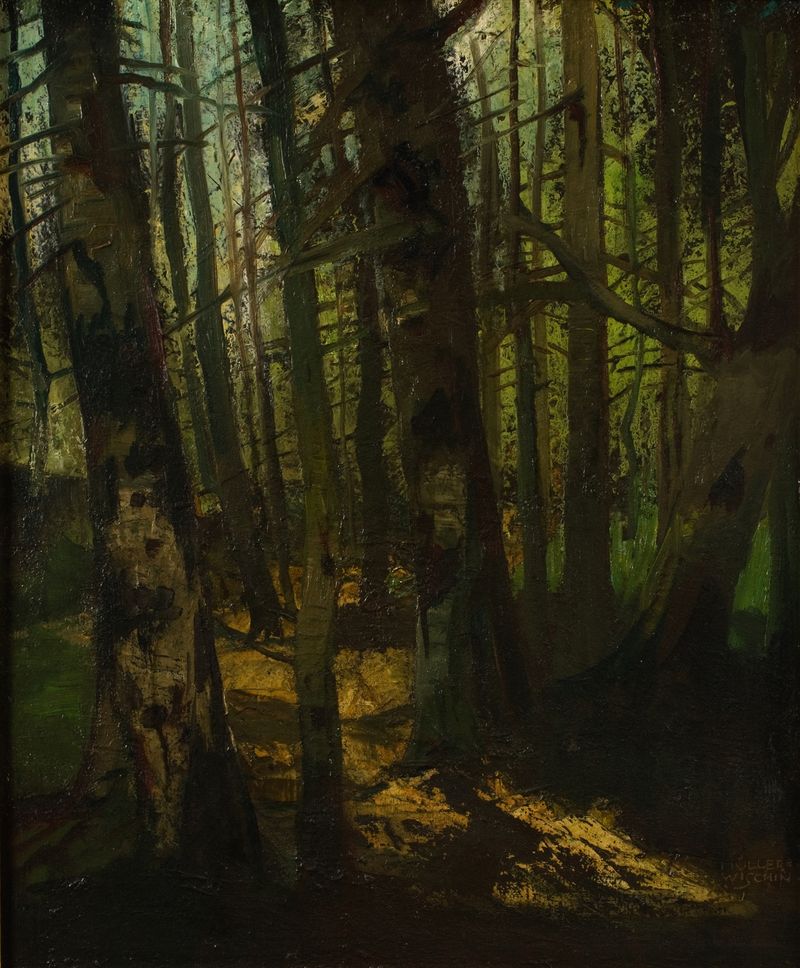
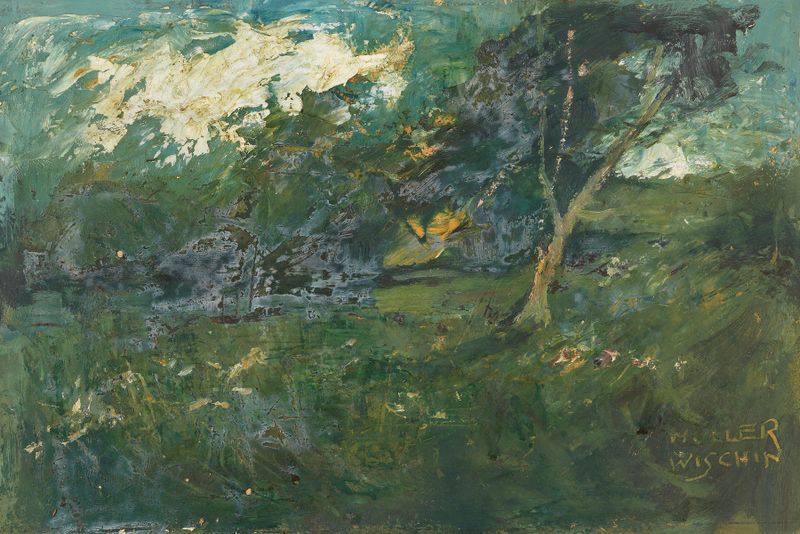
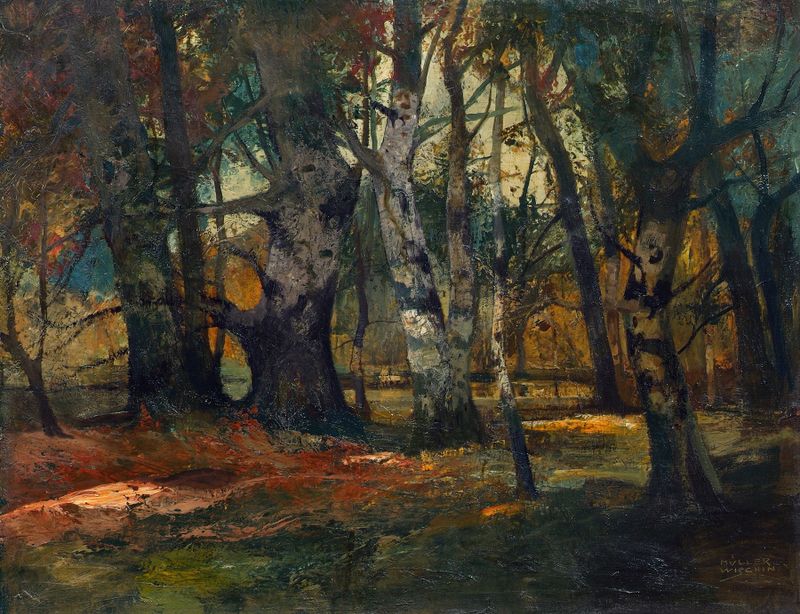
Could beauty survive in a century of chaos? In Mondaufgang, a delicate exploration of fragility unfolds, inviting us to ponder the resilience of art amid turmoil. Look to the left at the gentle rise of the moon, casting a silvery glow over the tranquil landscape. Notice how the brushstrokes dance in a harmonious blend of blues and soft grays, evoking a sense of calm that contrasts sharply with the uncertainty of the era. The meticulous detail in the foreground—the fragile silhouettes of trees reaching upwards—serves as a poignant reminder of nature's quiet strength.
Every stroke conveys not just the scene, but a profound emotion, emphasizing the painter's intent to capture a fleeting moment of peace. The juxtaposition of serenity against the darkening sky speaks to a deeper narrative within the work. The moon symbolizes hope, illuminating both the landscape and the viewer's heart, while the trees reflect a struggle to remain steadfast in the face of impending chaos. Each element serves as a testament to fragility—beauty that exists only for a moment before being engulfed by shadows.
This subtle tension invites contemplation on how moments of peace can be both cherished and fleeting. In 1940, during a tumultuous period in Europe, Anton Müller-Wischin painted Mondaufgang while navigating personal and societal upheaval. Living in Germany, he was part of a vibrant artistic community that grappled with the impact of war and political strife. This piece not only showcases his technical prowess but also reflects a profound yearning for tranquility in a world characterized by uncertainty, encapsulating the essence of an artist seeking solace amidst the storm.