Monte Cassino — History & Facts
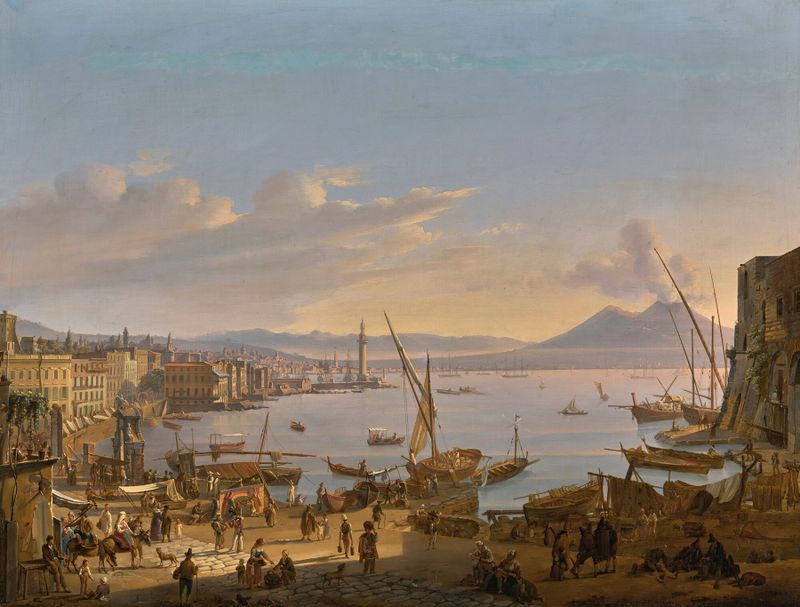
Can beauty exist without sorrow? In Monte Cassino, the jagged cliffs cradle both the monastery and the turbulent history that surrounds it, suggesting a destiny etched in stone and shadow. Look to the left at the formidable, ancient architecture rising against the backdrop of a pale sky. The craggy mountains loom, their textures rendered with meticulous brushwork, inviting the eye to explore every ridge and crevice. Notice how the warm earth tones interplay with the cooler hues of the skyline, creating a tension between stability and the ephemeral.
This juxtaposition captures not just the physical landscape, but the emotional weight of a site that has witnessed centuries of turmoil. Beneath the surface lies a narrative of resilience. The monastery, steadfast and serene, contrasts with the looming threat of nature, symbolizing the constant struggle between peace and destruction. The light cascading through the clouds speaks of hope amidst despair, while the shadows suggest the lingering specter of past conflicts.
It is a moment frozen in time, evoking a contemplative silence that encourages reflection on the cycles of human experience. Created during a period of artistic exploration, the painter captured Monte Cassino amid the shifting tides of the 19th century. Frans Vervloet was known for his romantic landscapes, painting while Europe grappled with industrialization and political upheaval. This work reflects both a reverence for nature and a poignant understanding of history, embodying the artist's mastery in depicting the inherent beauty intertwined with the scars of time.