
Montmirail — History & Facts
What if silence could speak through light? In Montmirail, the ethereal quality of the landscape captures the essence of time suspended, inviting the viewer to contemplate the stillness amidst the passage of life. Look to the left at the gentle slopes of verdant green, where the interplay of light and shadow dances across the hills. Notice how the brushwork creates a soft texture, almost whispering the secrets of nature's tranquility. The subtle gradations of color—muted greens, soft blues, and warm earth tones—allow the scene to pulse with a serene rhythm, evoking a sense of both contemplation and peace.
The horizon, painted with delicate strokes, draws the eye outward, beckoning one to lose themselves in the expansive tranquility of the landscape. Yet, beneath this calm exterior lies an undercurrent of emotional tension. The contrast between the lush foreground and the distant, misty mountains suggests the passage of time, evoking both nostalgia for the past and a yearning for the future. The gentle fading of colors as they recede into the distance further enhances this sense of longing, as if the viewer is caught between what was and what is yet to come.
Each brushstroke seems to speak of stories untold, memories lurking in the shadows. During the time Montmirail was painted, Jean Jacottet was immersed in an evolving art scene that celebrated natural beauty and the sublime. Working in the late 19th century, he was influenced by the Impressionist movement, which emphasized the fleeting effects of light and atmosphere. This period in his life was marked by introspection, as he sought to encapsulate the harmony found within nature, reflecting both personal and broader societal shifts in perception and representation.
More Artworks by Jean Jacottet
Browse all →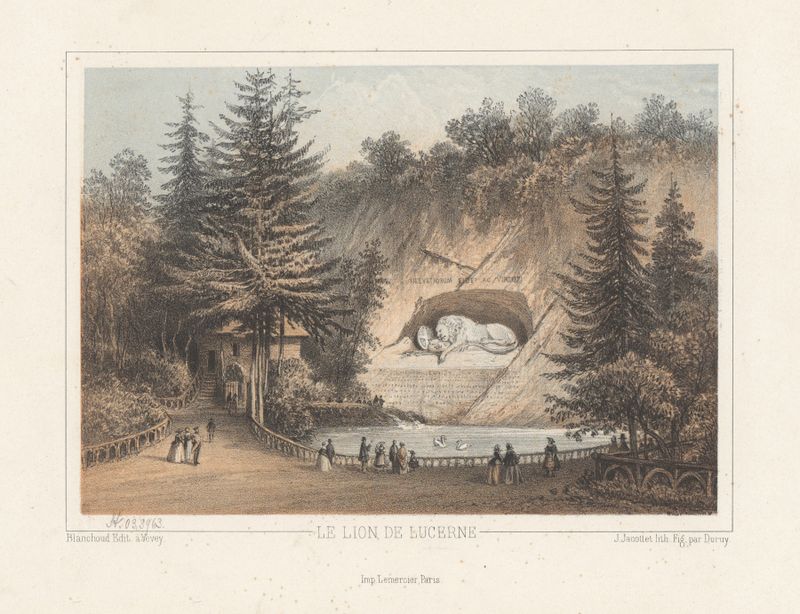
Le lion de Lucerne
Jean Jacottet
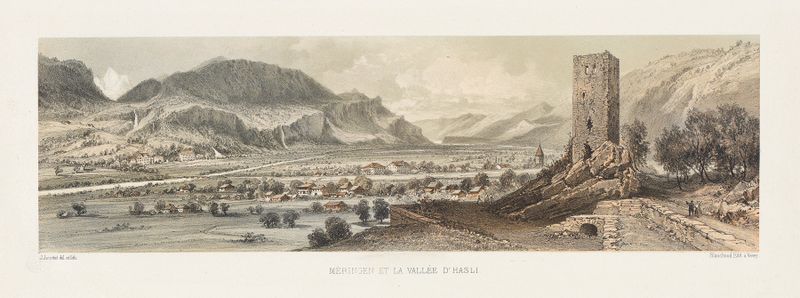
Méringen et la vallée d’Hasli
Jean Jacottet
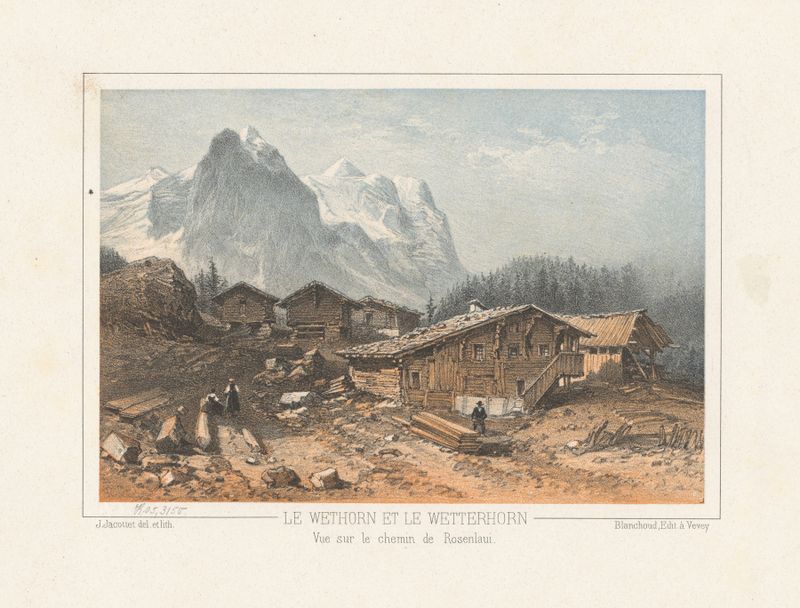
Le Wethorn et le Wetterhorn Vue sur le chemin de Rosenlaui
Jean Jacottet
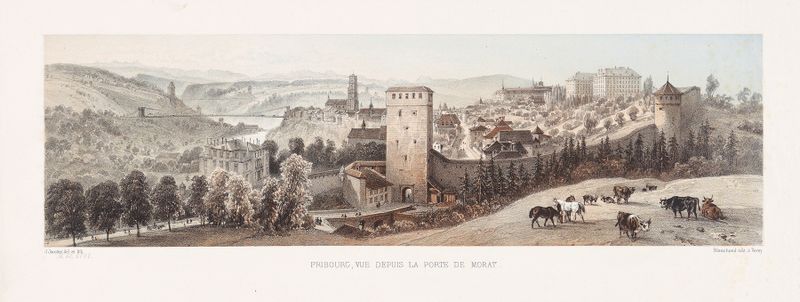
Fribourg, vue depuis la porte de Morat
Jean Jacottet
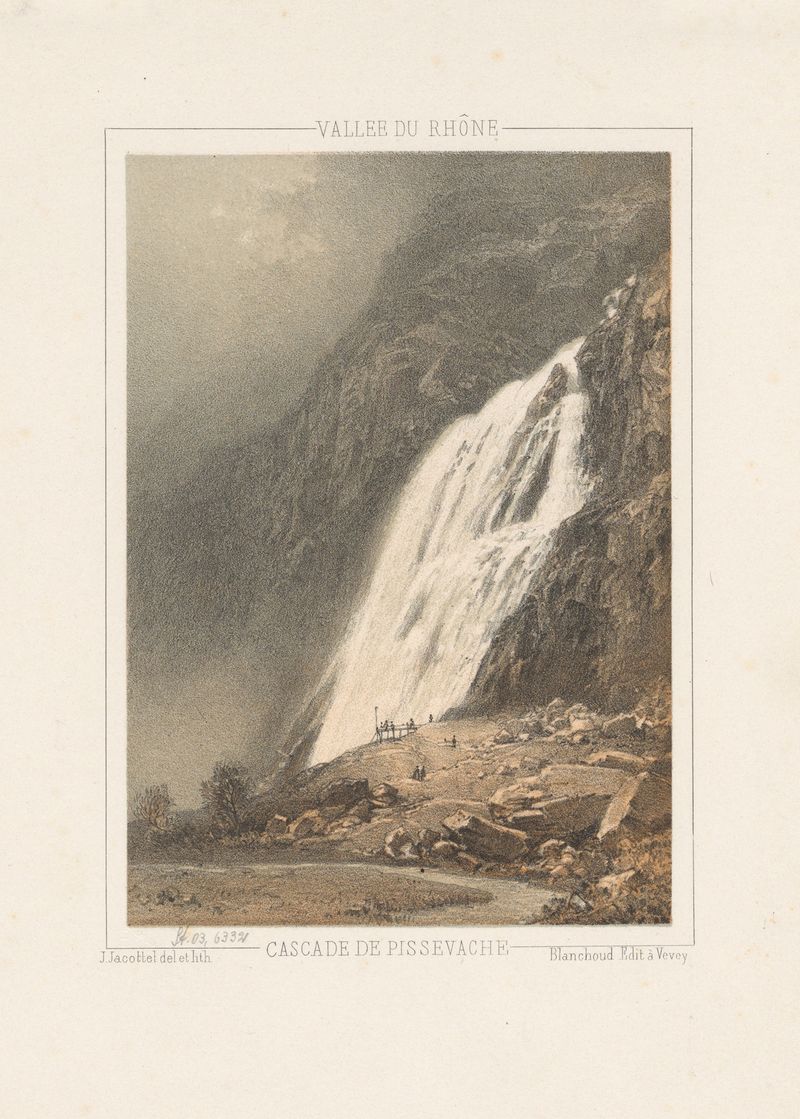
Cascade de Pissevache
Jean Jacottet
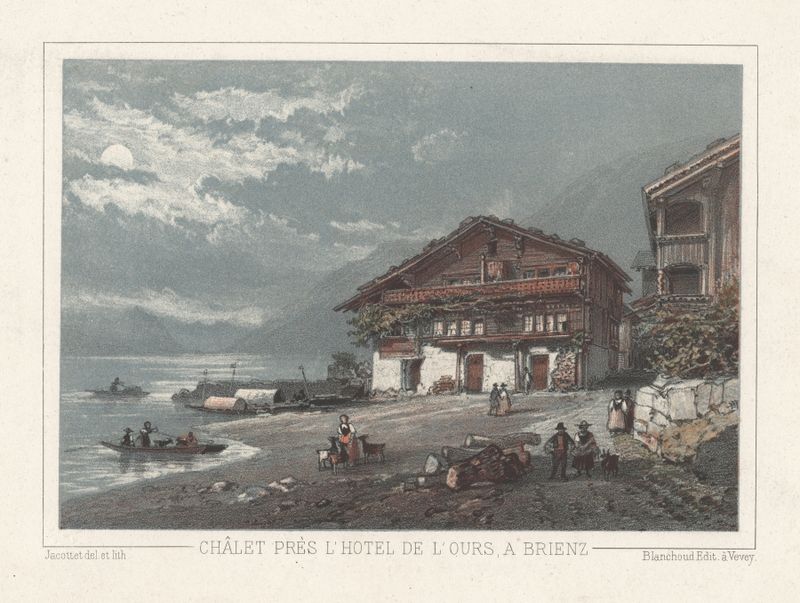
Châlet près l’Hotel de l’Ours, a Brienz
Jean Jacottet
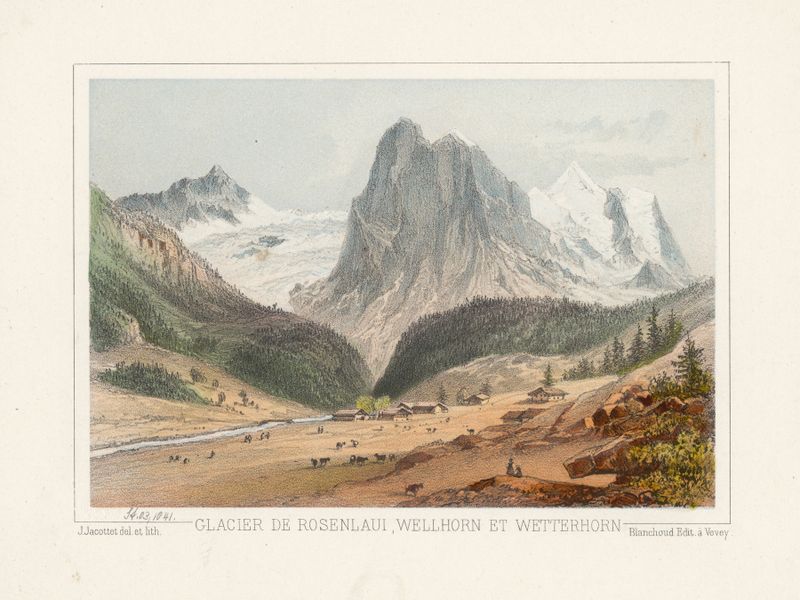
Glacier de Rosenlaui, Wellhorn et Wetterhorn
Jean Jacottet
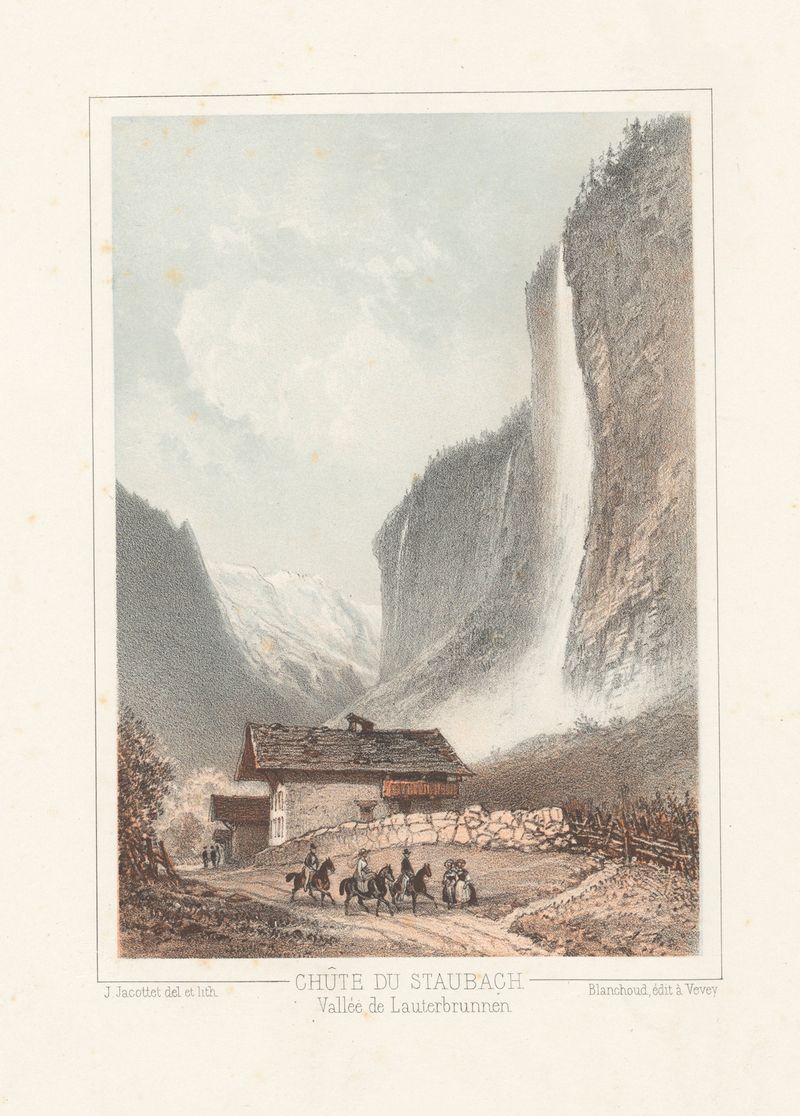
Chûte du Staubach Vallée de Lauterbrunnen
Jean Jacottet
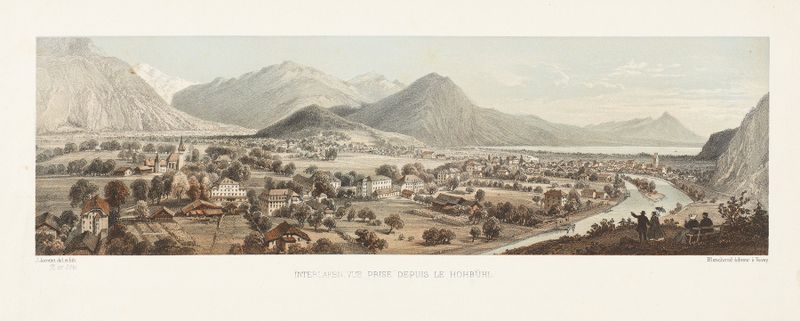
Interlaken, vue prise depuis le Hohbühl
Jean Jacottet
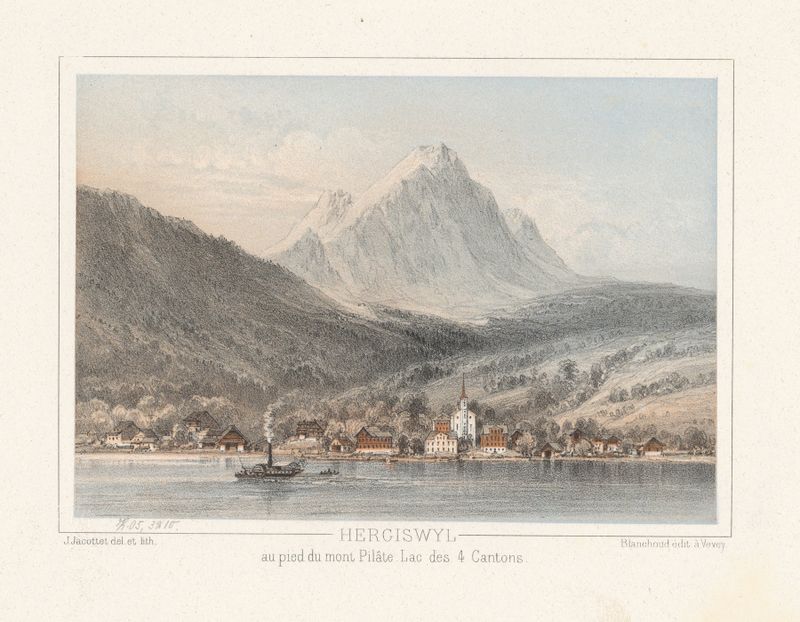
Hergiswyl au pied du mont Pilâte. Lac des 4 Cantons
Jean Jacottet





