
Moonlit Landscape — History & Facts
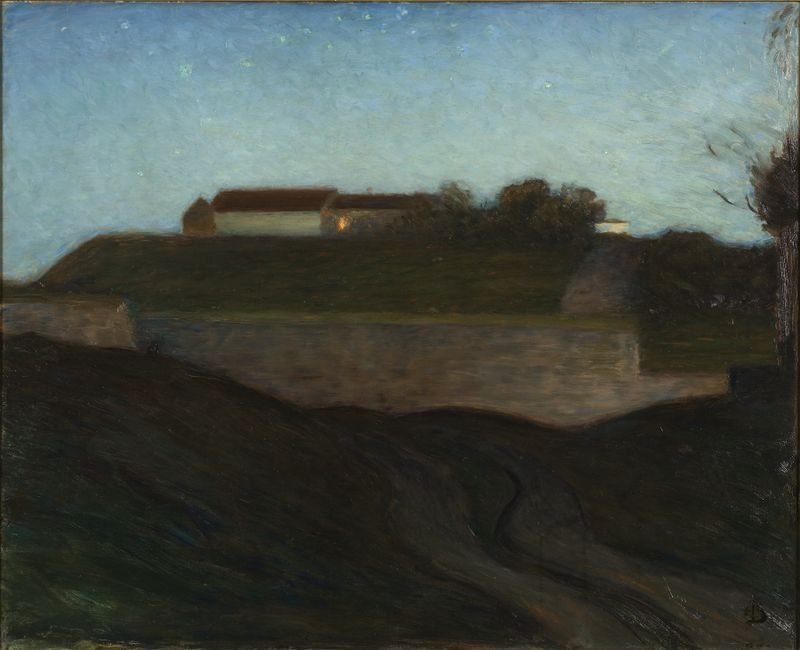
Who listens when art speaks of silence? In Richard Bergh's Moonlit Landscape, every hue becomes a whisper, inviting viewers to pause and consider the dialogue between color and emotion. Look to the left, where soft blues and deep indigos blend seamlessly, mimicking the tranquil sky on a quiet night. Notice how the moon's silver light casts gentle shadows that dance over the undulating hills, guiding your gaze through the composition. The delicate brushwork creates an ethereal quality, while the controlled palette evokes a sense of calm and wonder, almost as if the scene holds its breath in anticipation. Yet beneath the serene surface lies a poignant contrast.
The luminous moon, a symbol of hope, stands out against the darker elements of the landscape, hinting at the dichotomy of light and darkness in our own lives. Each brushstroke captures an intricate balance between peace and introspection, the stillness of night echoing a deeper yearning for connection in an often chaotic world. Created during a period of exploration in Scandinavian art, Bergh painted this piece in the late 19th century, a time when artists sought to depict nature with emotional resonance. Living in Sweden, he was influenced by the Symbolist movement, which encouraged personal, emotive responses to natural landscapes.
The work reflects his desire to convey the profound depth of night, a sentiment shared by many during a revolutionary time in the art community.
More Artworks by Richard Bergh
Browse all →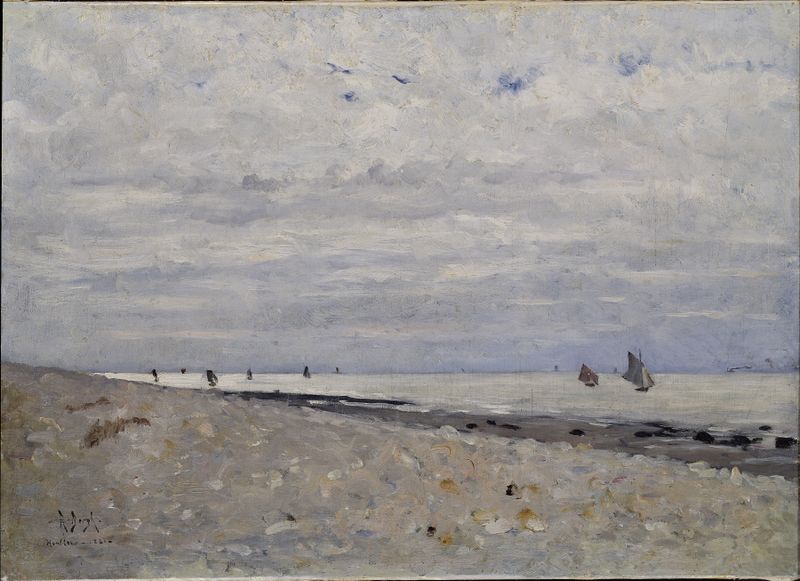
Sea Landscape off Honfleur
Richard Bergh

Park Landscape, Tyresö
Richard Bergh
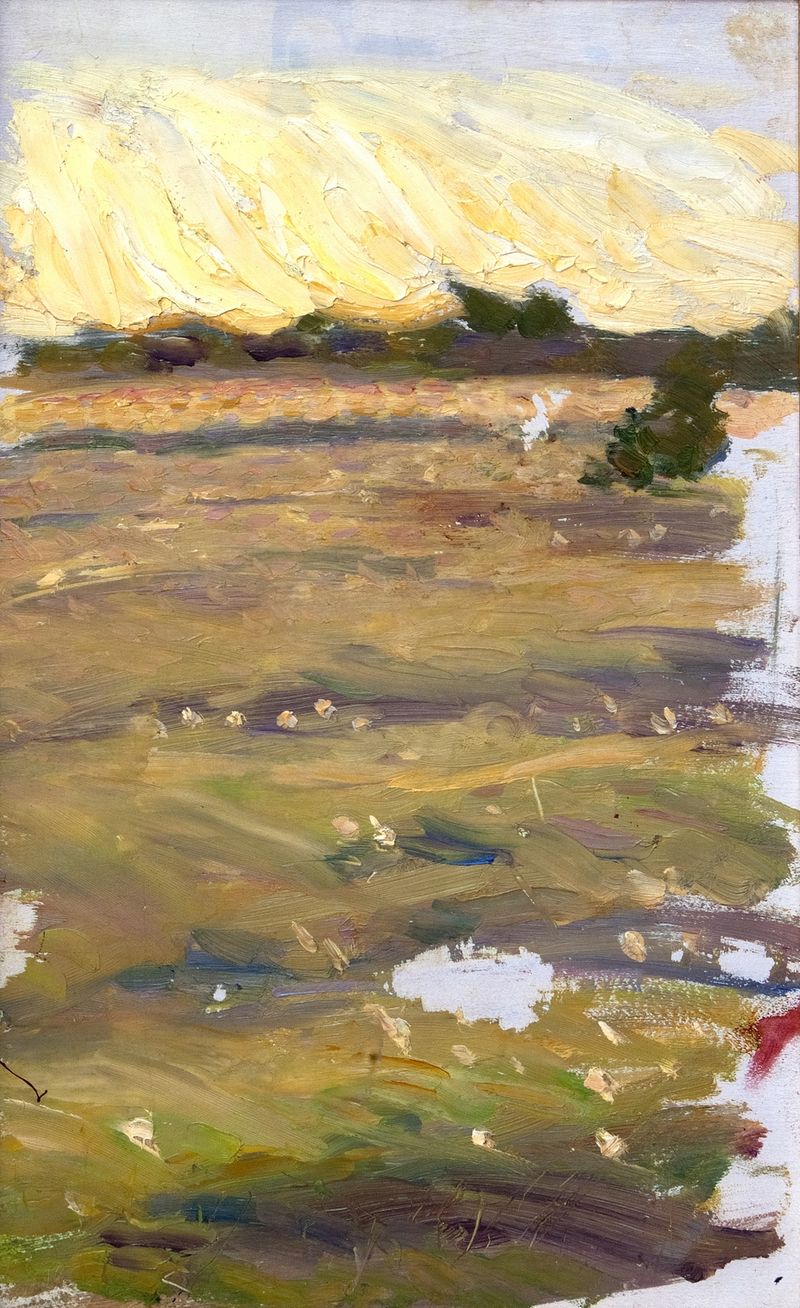
Sketch for The Knight and the Maiden
Richard Bergh

Landscape from Halland
Richard Bergh
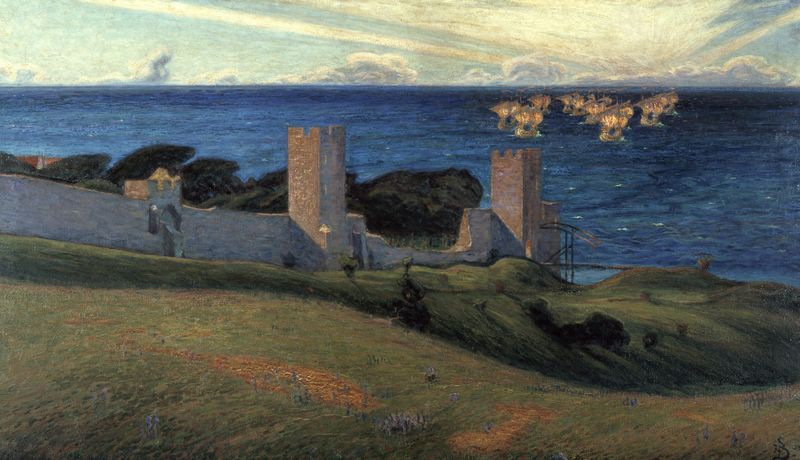
Vision. Scene from Visby
Richard Bergh

The Verger’s House at Tyresö
Richard Bergh
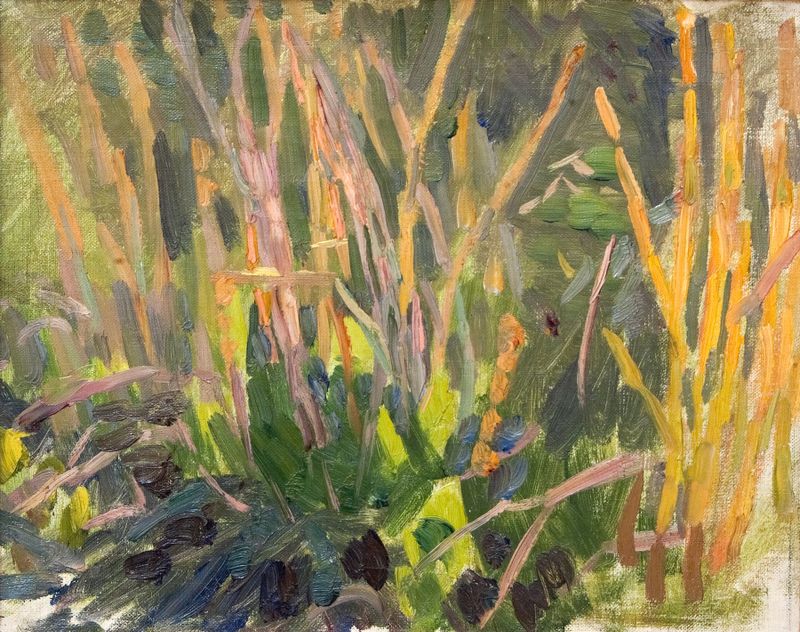
Sketch for The Knight and the Maiden (Dandelions)
Richard Bergh
The Fortress of Varberg
Richard Bergh
Landscape Tyresö
Richard Bergh
Pine Trees Tyresö
Richard Bergh





