
The Verger’s House at Tyresö — History & Facts
Can beauty exist without sorrow? In the tranquil embrace of The Verger’s House at Tyresö, we find ourselves reflecting on this poignant paradox. Look to the left at the weathered façade of the quaint house, painted in soft, muted tones of ochre and cream. The delicate interplay of light and shadow reveals the texture of the stucco, inviting the viewer to trace the contours of its walls. Notice how the artist uses the surrounding greenery to frame the scene, softening the edges of the structure and creating a harmonious balance between architecture and nature.
A gentle light bathes the scene, enhancing the serene atmosphere while suggesting an underlying stillness, almost as if time has paused. Upon closer inspection, hidden narratives emerge from the foliage that encircles the house. The vibrant green leaves contrast sharply with the muted tones of the dwelling, symbolizing life and growth in the shadow of human existence. Yet, the abandoned garden hints at neglect, a quiet reminder of the void created by absence.
The artwork captures a moment suspended in time, evoking a sense of melancholy that lingers beyond the immediate beauty. Richard Bergh created this piece in 1911, during a period of significant change in the art world. Living in Sweden, he was immersed in the transition from Naturalism to a more modern approach, seeking to express the nuances of emotion through landscape and architecture. At this time, he was exploring the interplay of light and color, striving to capture not just the physical appearance of a scene but the deeper resonances of human experience within it.
More Artworks by Richard Bergh
Browse all →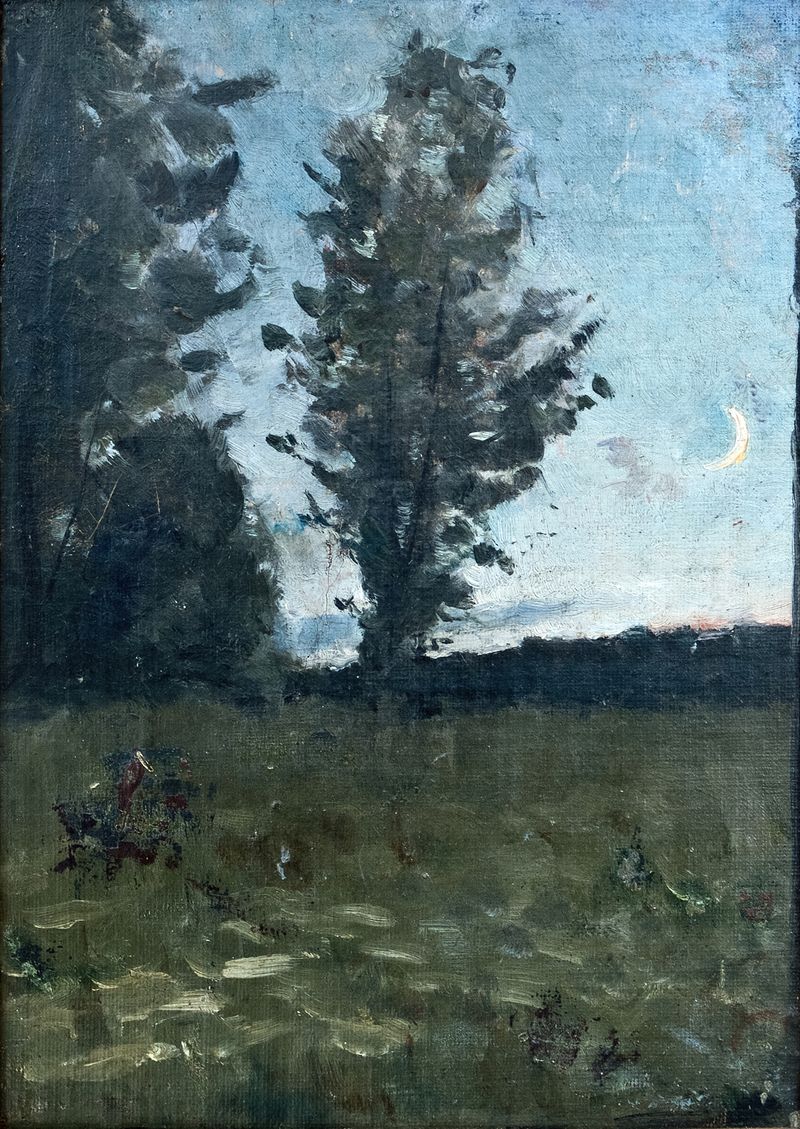
Moonlit Landscape
Richard Bergh
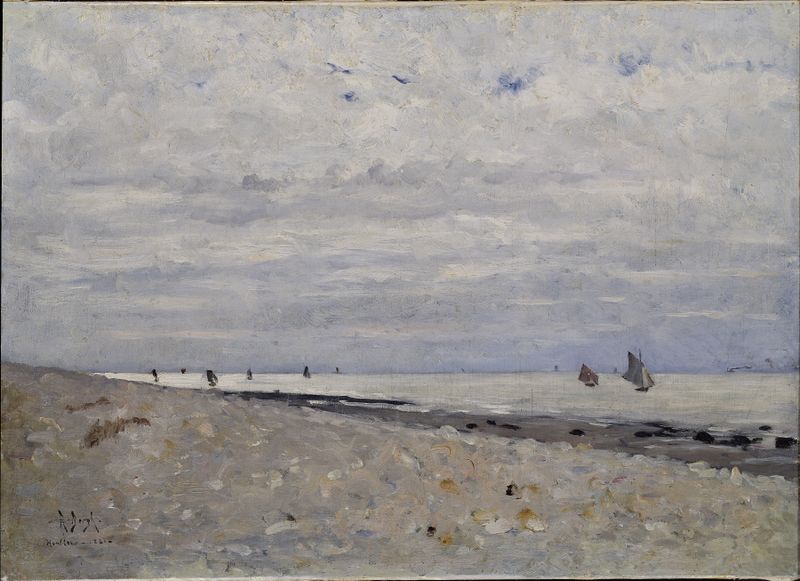
Sea Landscape off Honfleur
Richard Bergh

Park Landscape, Tyresö
Richard Bergh
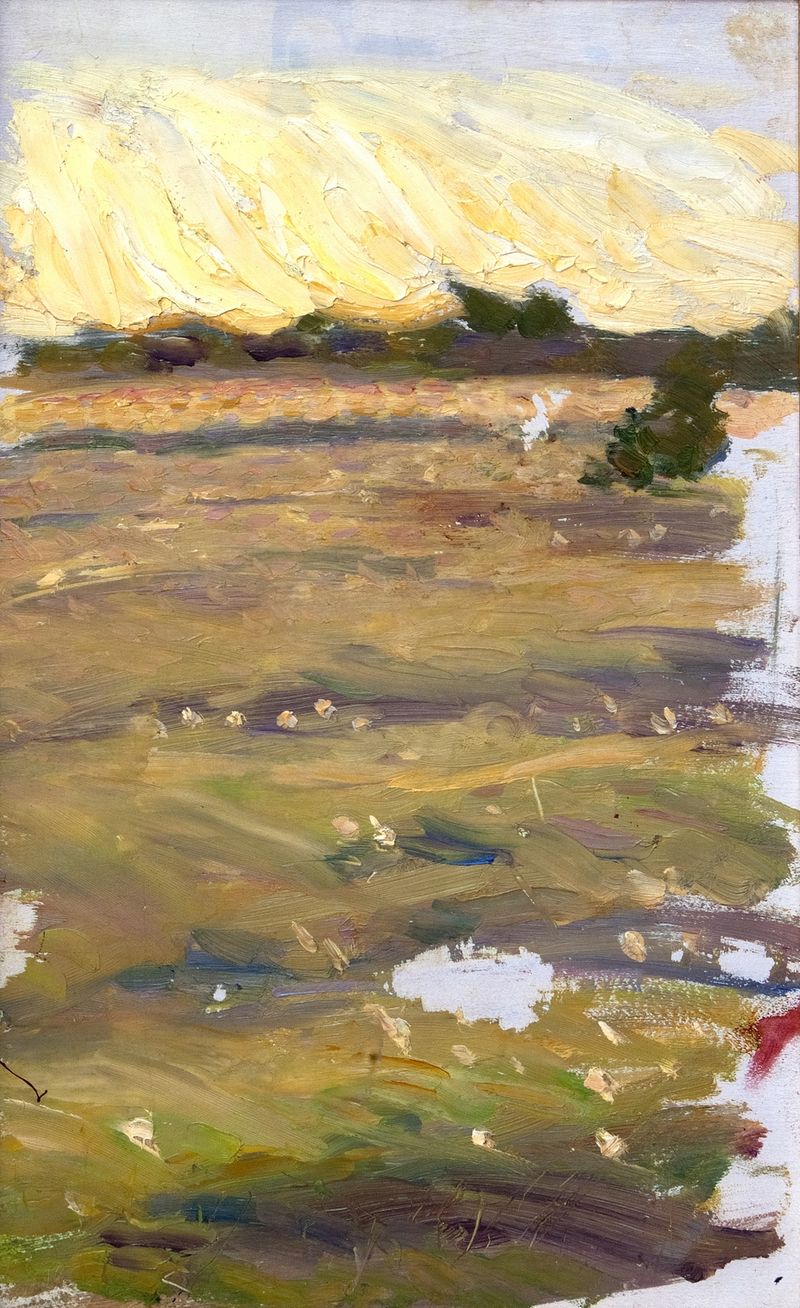
Sketch for The Knight and the Maiden
Richard Bergh

Landscape from Halland
Richard Bergh
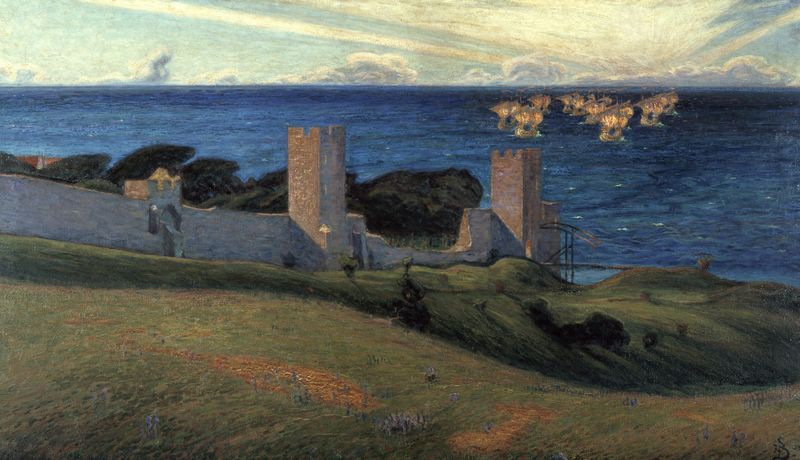
Vision. Scene from Visby
Richard Bergh
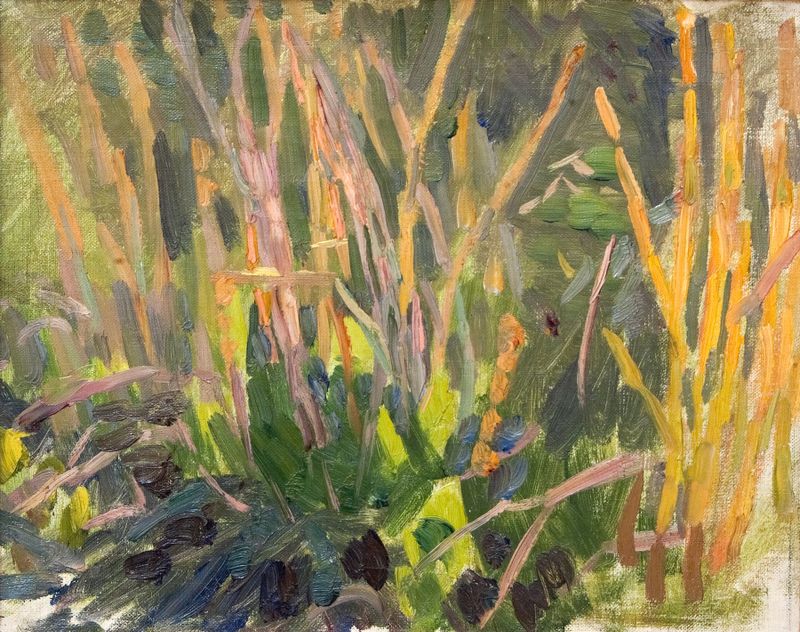
Sketch for The Knight and the Maiden (Dandelions)
Richard Bergh
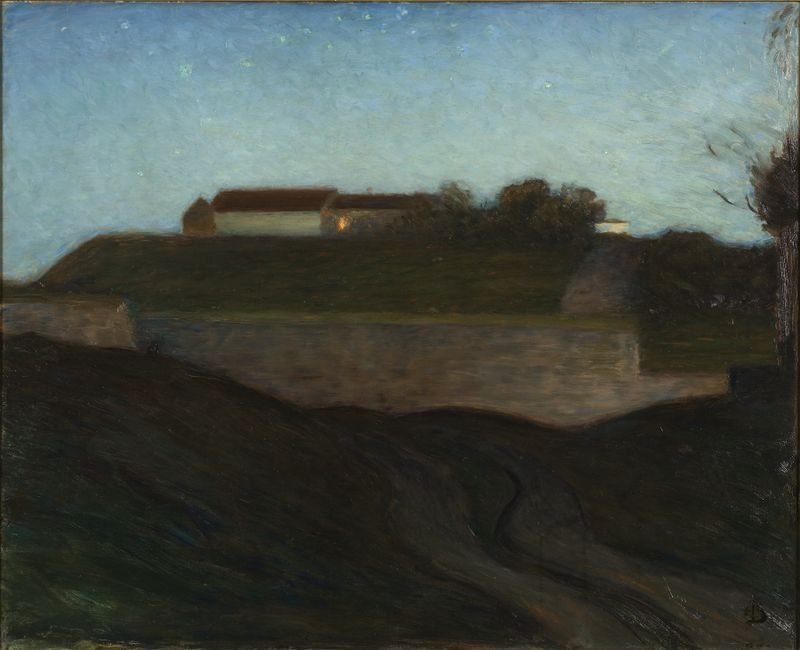
The Fortress of Varberg
Richard Bergh
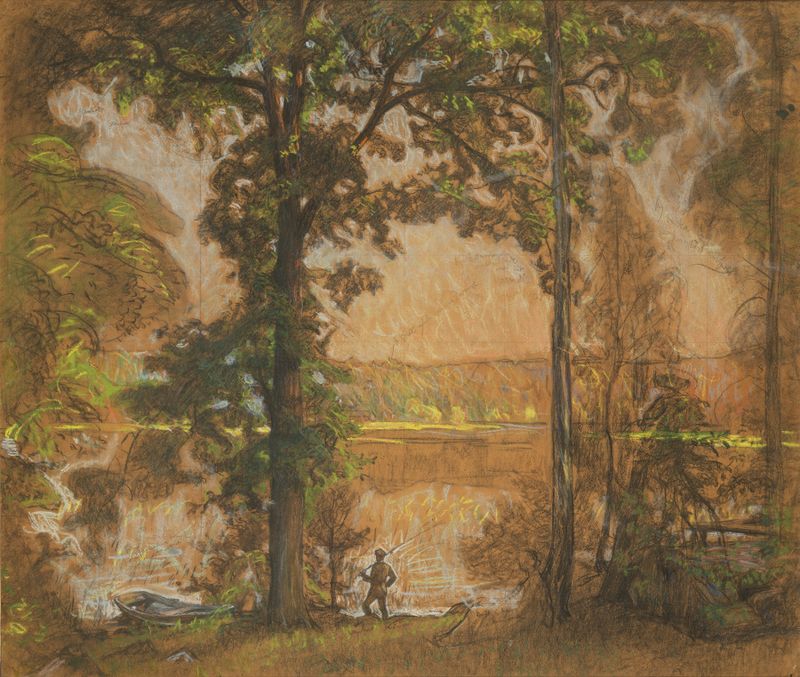
Landscape Tyresö
Richard Bergh
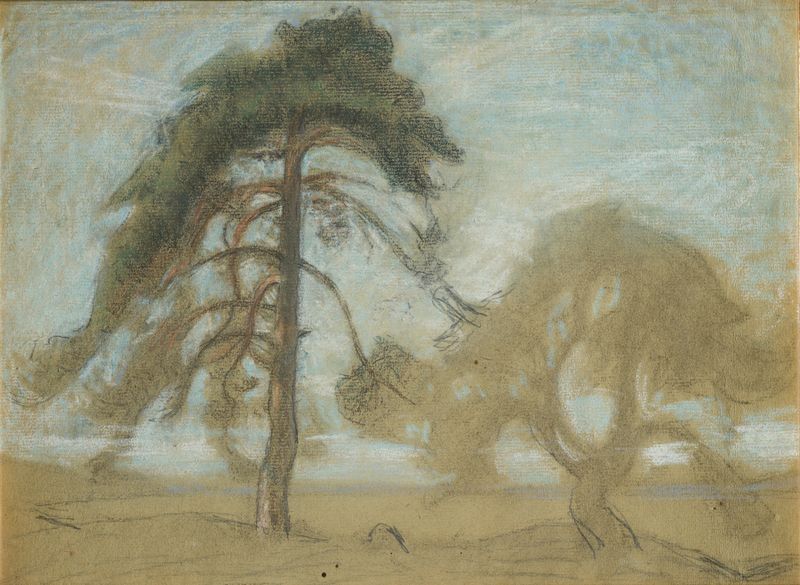
Pine Trees Tyresö
Richard Bergh
More Architecture Art
Browse all →
The statue of Liberty
Frédéric Auguste Bartholdi

View of Houses in Delft, Known as ‘The Little Street’
Johannes Vermeer

View of Houses in Delft, Known as ‘The Little Street’
Johannes Vermeer

The Cathedral in Rouen. The portal, Grey Weather
Claude Monet

The yellow house
Vincent van Gogh

The Church in Auvers-sur-Oise, View from the Chevet
Vincent van Gogh