
Moonlit Night near Irkutsk. — History & Facts
Did the painter know this moment would outlive them? In Moonlit Night near Irkutsk, the stillness of the landscape conceals an unsettling tension, one that lingers long after the canvas has dried. Look to the left at the reflective water, where the moon casts a silvery glow, illuminating the jagged silhouettes of trees bending gently against the night sky. Notice how the colors shift from deep blues to soft, ethereal whites, creating a serene yet haunting ambiance. The composition draws your eye toward the horizon, where darkness swallows the distant hills, inviting contemplation of what lies beyond. Within this tranquil vista, the echoes of violence are subtly woven into the fabric of nature.
The stark contrast between the luminous moonlight and the oppressive shadows hints at the duality of peace and turmoil, life and death. The subtle ripples in the water suggest the unseen disturbances beneath the serene surface, reflecting a world grappling with unrest, even in moments of beauty. In 1904, Smirnov painted this work while living in Russia, a time marked by political strife and social upheaval. The tensions of pre-revolutionary Russia seep into his palette, as he balanced personal expression against the backdrop of a rapidly changing art world.
Emerging as a prominent figure in the modernist movement, he used this canvas to capture not just a landscape, but the complex emotions that defined an era.
More Artworks by Boris Vasilievich Smirnov
Browse all →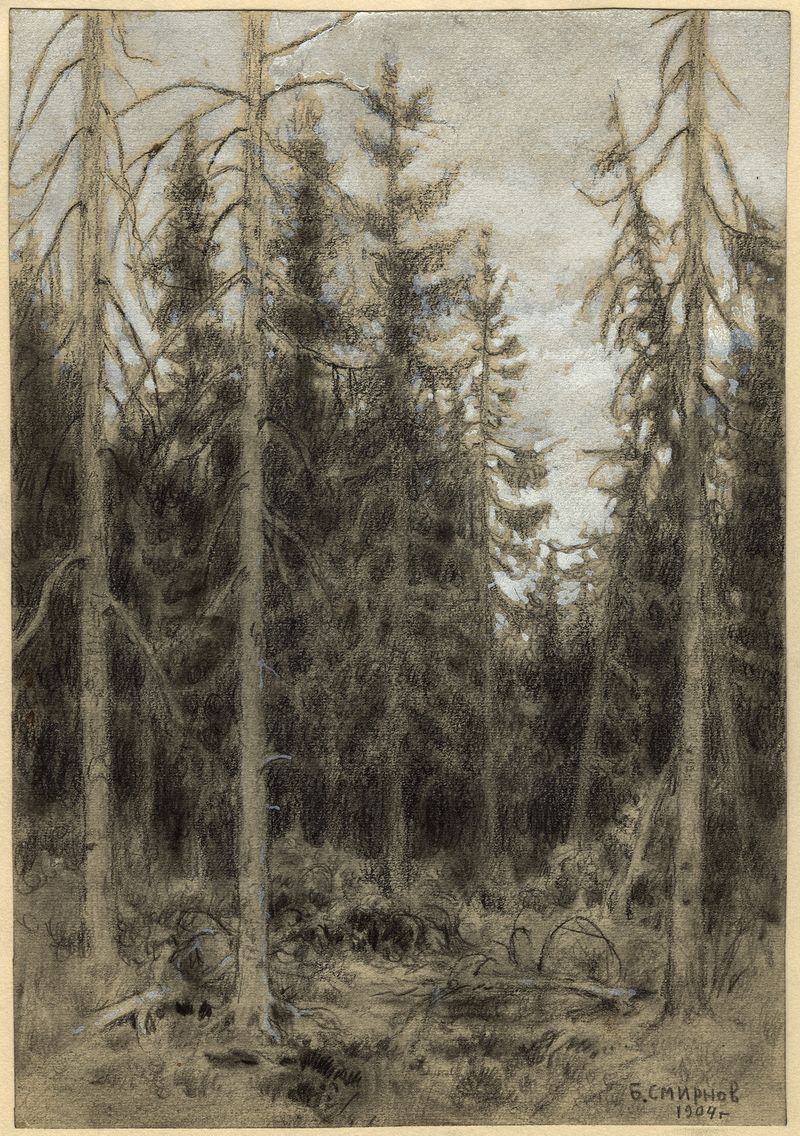
Spruce Taiga near Irkutsk.
Boris Vasilievich Smirnov
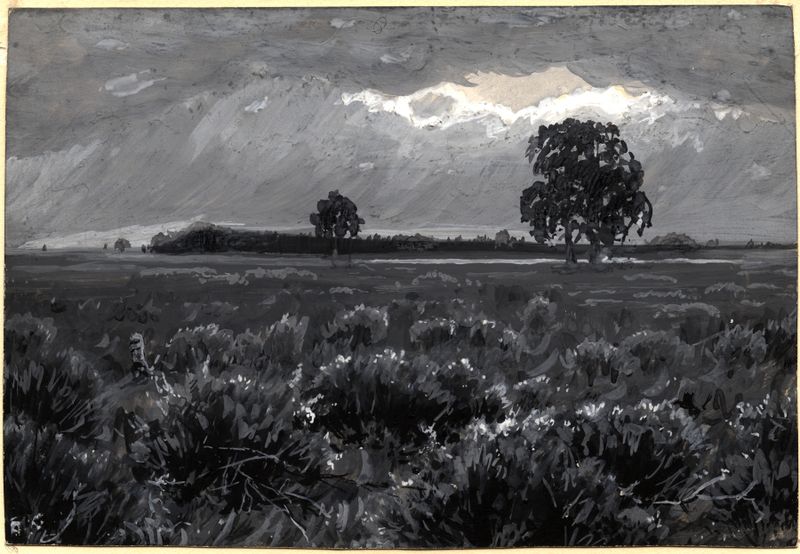
Copses of Trees on the Baraba Steppe.
Boris Vasilievich Smirnov
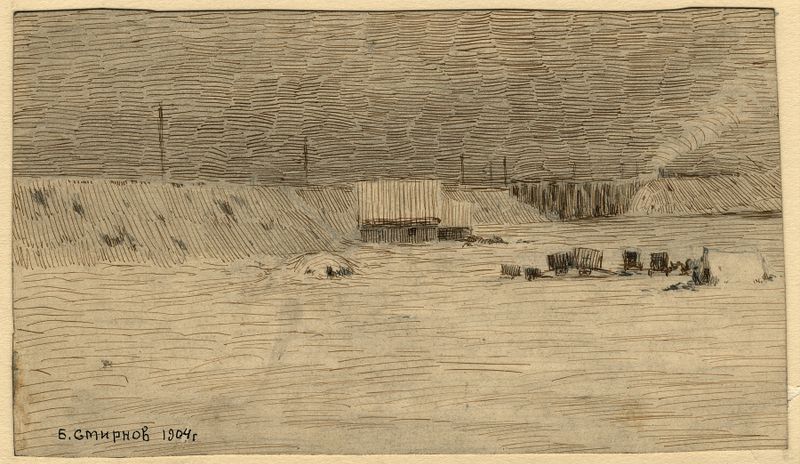
A Bridge over the Irkut River.
Boris Vasilievich Smirnov
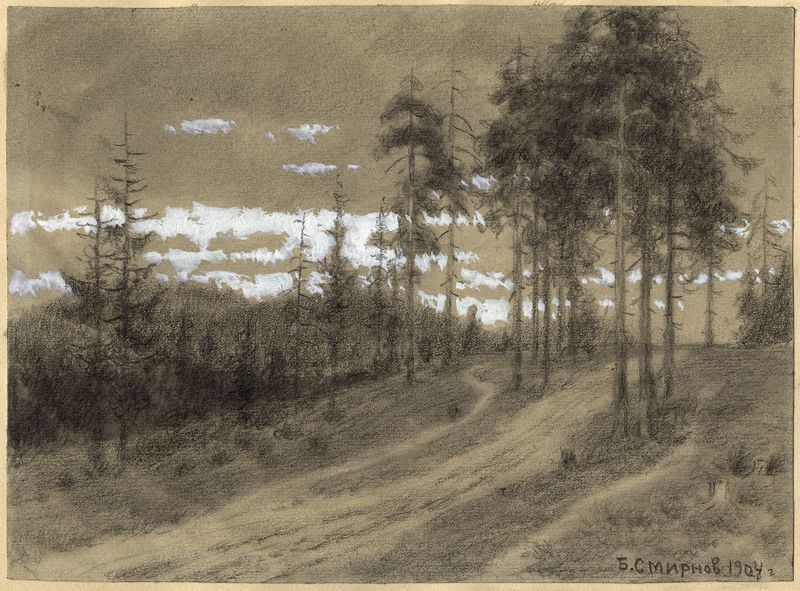
The Great Road in the Baikal Mountains.
Boris Vasilievich Smirnov
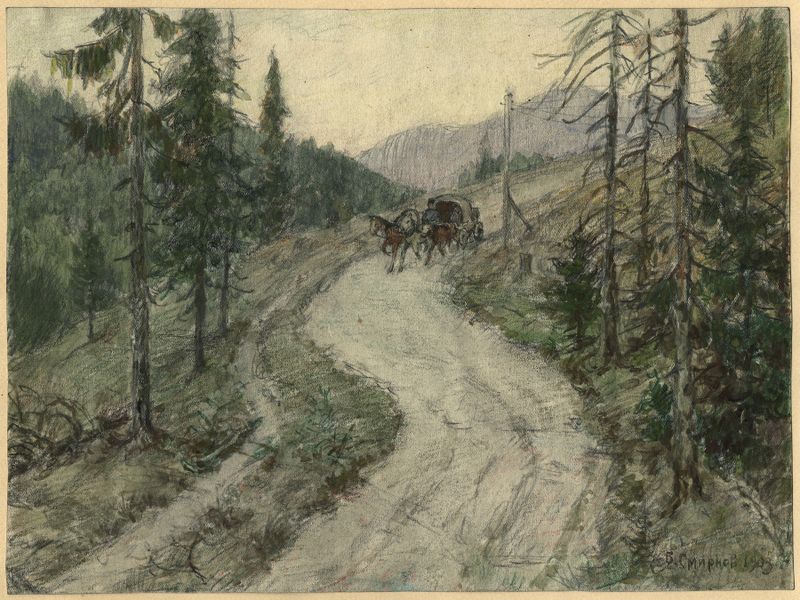
Great Siberian Road in the Krugobaikal Mountains.
Boris Vasilievich Smirnov
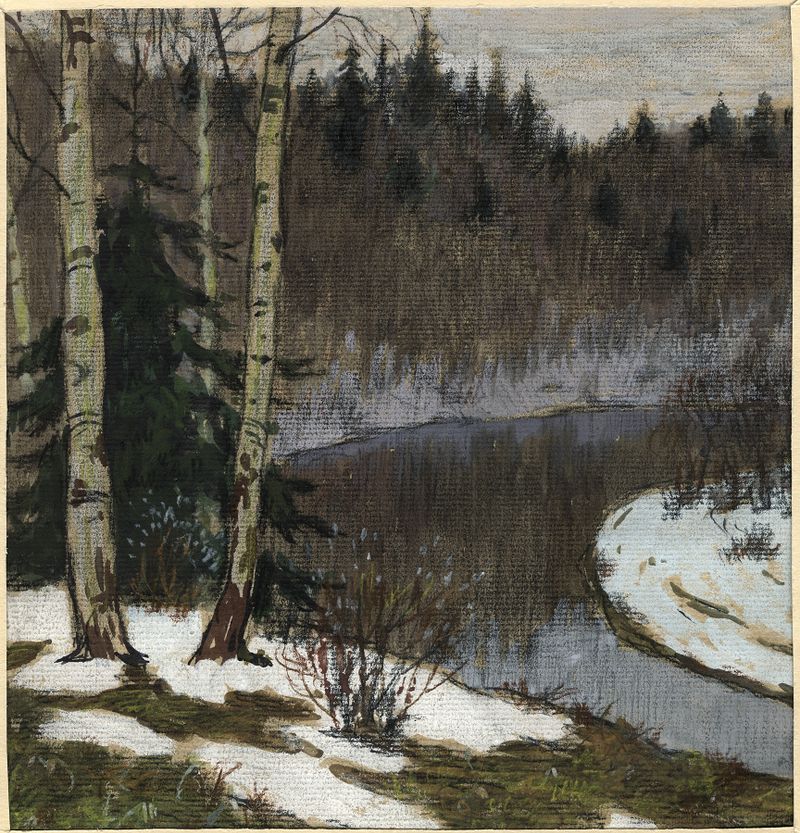
Thawed Patches in the Taiga near Krasnoyarsk. Early Spring.
Boris Vasilievich Smirnov
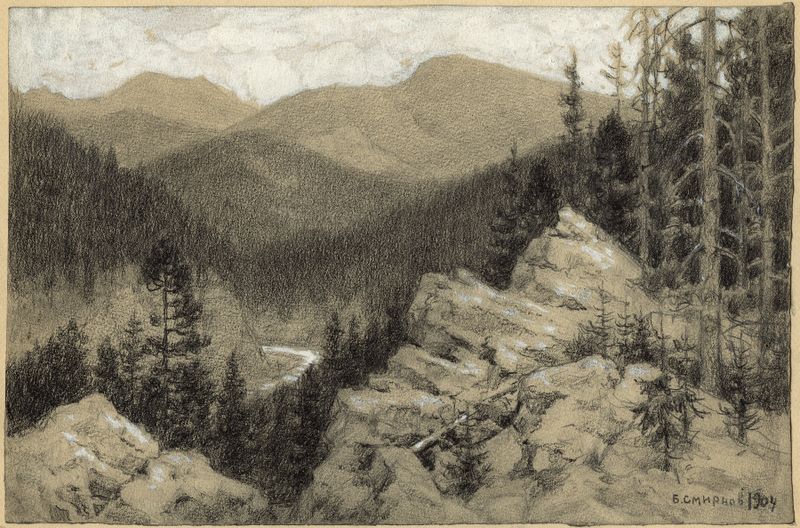
Ural Mountains. Taiga in the Zlatoust Region.
Boris Vasilievich Smirnov
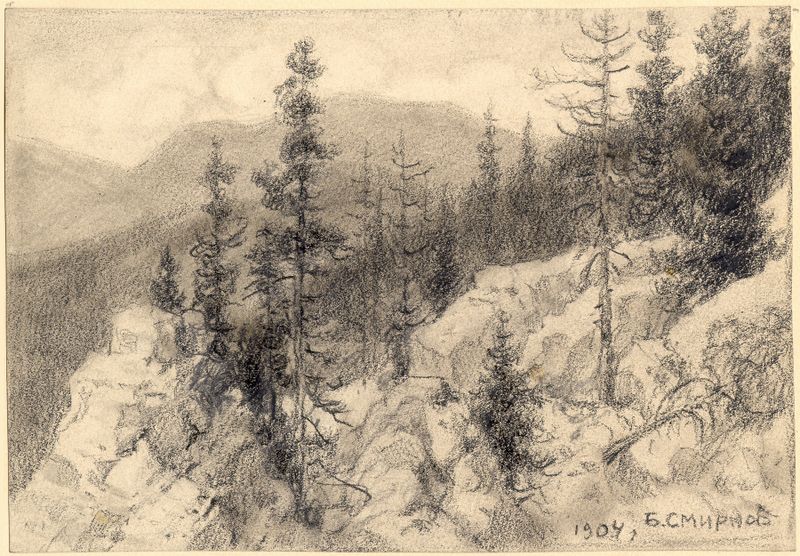
Taiga of the Ural Mountains near Zlatoust.
Boris Vasilievich Smirnov
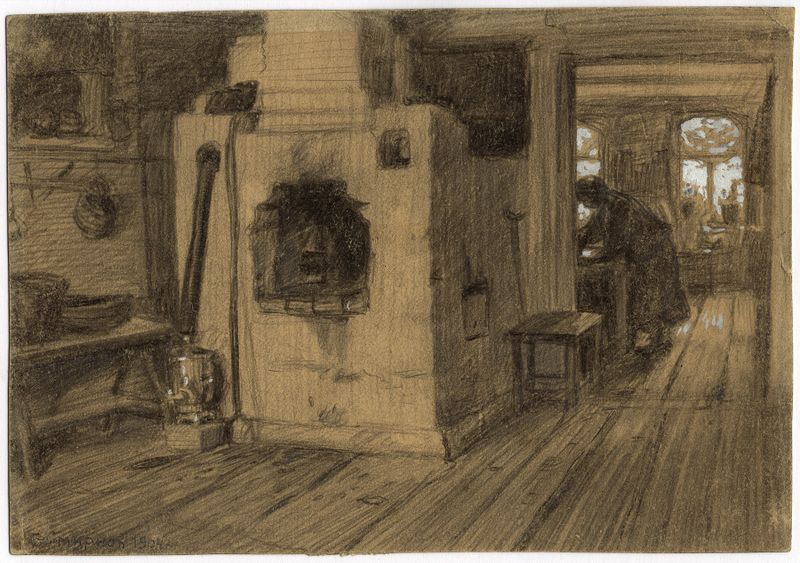
In a Hut on the Outskirts of Irkutsk.
Boris Vasilievich Smirnov
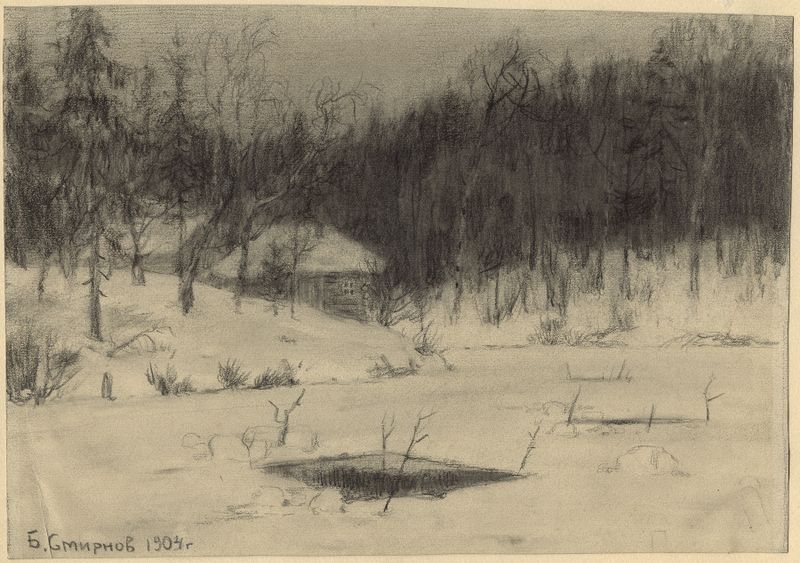
Ice Holes on the Irkut River.
Boris Vasilievich Smirnov





