Morning — History & Facts
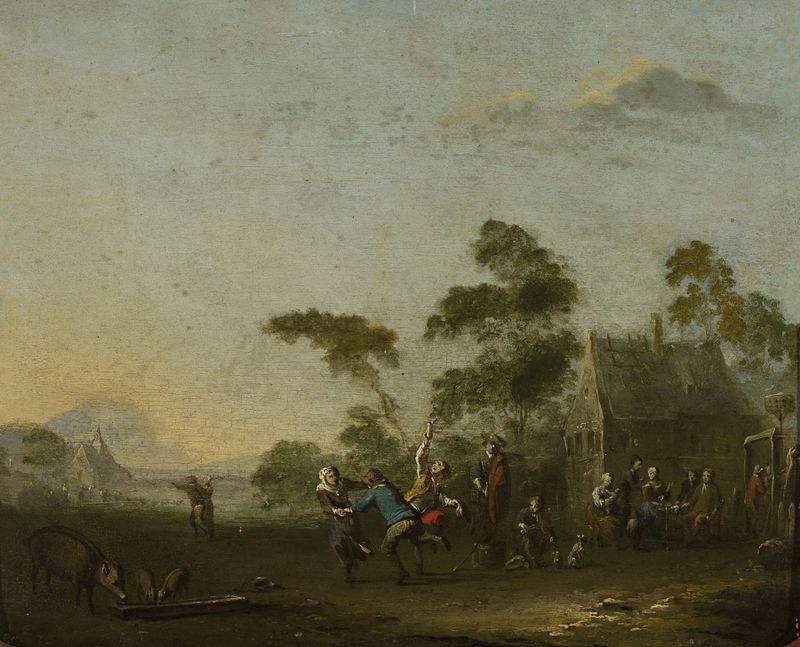
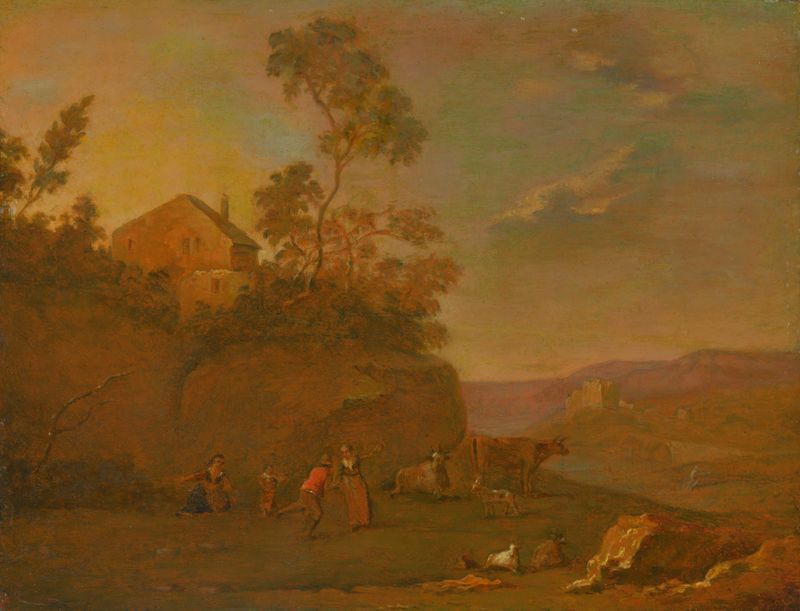
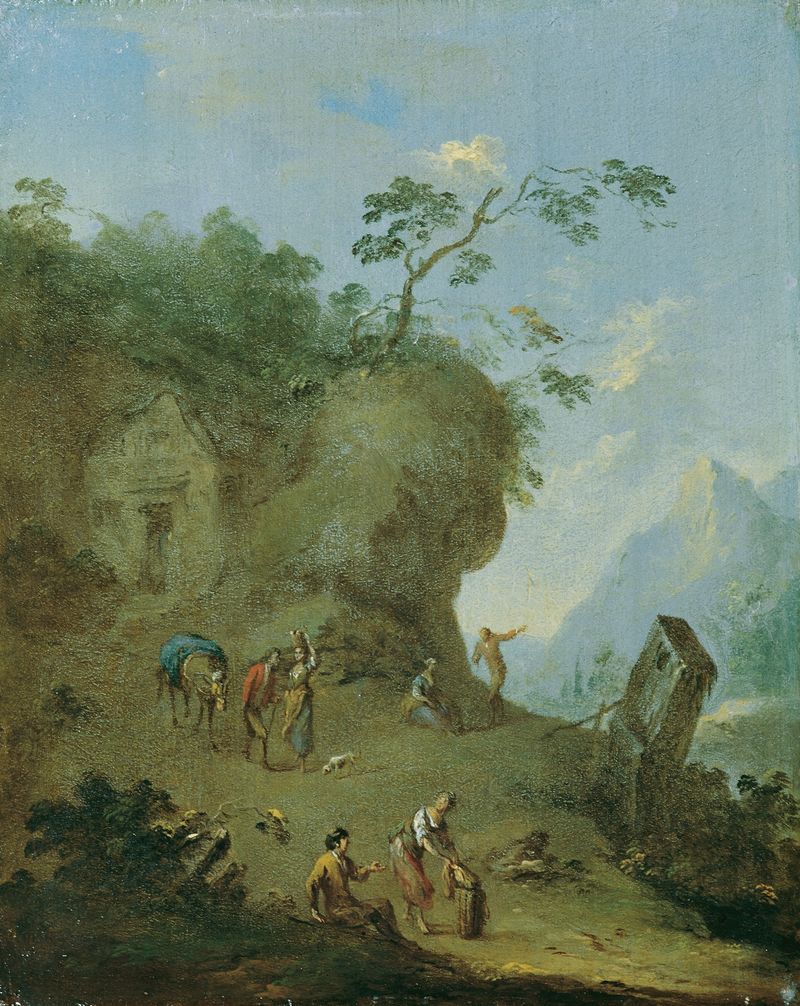
In the stillness of a morning, nostalgia clings to the air like the gentle mist that rises from the earth. There is a palpable yearning in the soft hues, evoking the bittersweet memories of days gone by. Look closely at the delicate interplay of light and shadow across the canvas. The dawn breaks, casting a gentle glow that warms the edges of the scene, inviting you to trace the subtle, melodic curves of the landscape.
Notice how the artist’s palette dances with soft pastels, blending greens and golds that evoke both tranquility and awakening, as if nature herself is stretching into the day. Yet beneath this serene surface lies a tension of fleeting moments. The quietude speaks of solitude, while the emerging light hints at the inevitable passage of time. Each brushstroke captures not just a scene but the emotional weight of nostalgia, encapsulating a longing for something that can never again be.
The balance of color and stillness draws the viewer into a contemplative space, invoking memories of personal mornings etched in one’s heart. During the years from 1740 to 1760, Grund was immersed in a thriving artistic landscape, where the Rococo style flourished. Operating in France and later in Germany, he sought to capture the beauty of everyday life, reflecting the elegant naturalism that characterized the period. This was a time of transition in art, and Grund’s work served to bridge the gap between the ornamental beauty of Rococo and the emerging clarity of the Enlightenment, finding resonance in the human experience.