Morning, Lake Lucerne — History & Facts
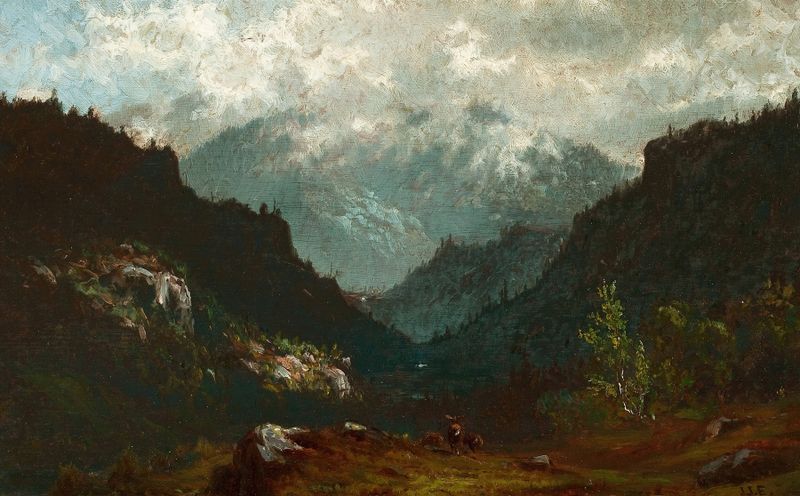
What if beauty was never meant to be finished? In the tranquil embrace of dawn, a world awakens, revealing layers of light and shadow that seem to dance upon the water's surface. Look to the left at the gentle ripples of Lake Lucerne, where reflections of the surrounding mountains emerge like whispers of dreams. Notice how the soft pastels of the sky blend seamlessly into the water, creating a serene harmony. The brushwork is both delicate and bold; it invites the viewer to traverse the canvas, guided by the interplay of light that bathes the scene in a warm, golden glow. Beneath this picturesque facade lies a rich tapestry of emotions.
The quiet solitude of the lake evokes a sense of contemplation, inviting introspection. The juxtaposition of the still water against the vibrant colors suggests a moment of suspended time, hinting at the ephemeral nature of beauty itself. Each stroke encapsulates the artist's desire to capture a fleeting instant, a reminder that creation is a continuous process, never truly complete. In 1877, Enneking painted this work during a profound exploration of nature's beauty that marked his career.
Living in the context of the American Impressionist movement, he sought to bridge the gap between realism and impressionism, finding inspiration from his travels in Europe. At this time, Enneking was honing his technique, capturing light in ways that spoke to the immediacy of experience, as well as the transitory nature of existence itself.