Motif of Plankenberg — History & Facts
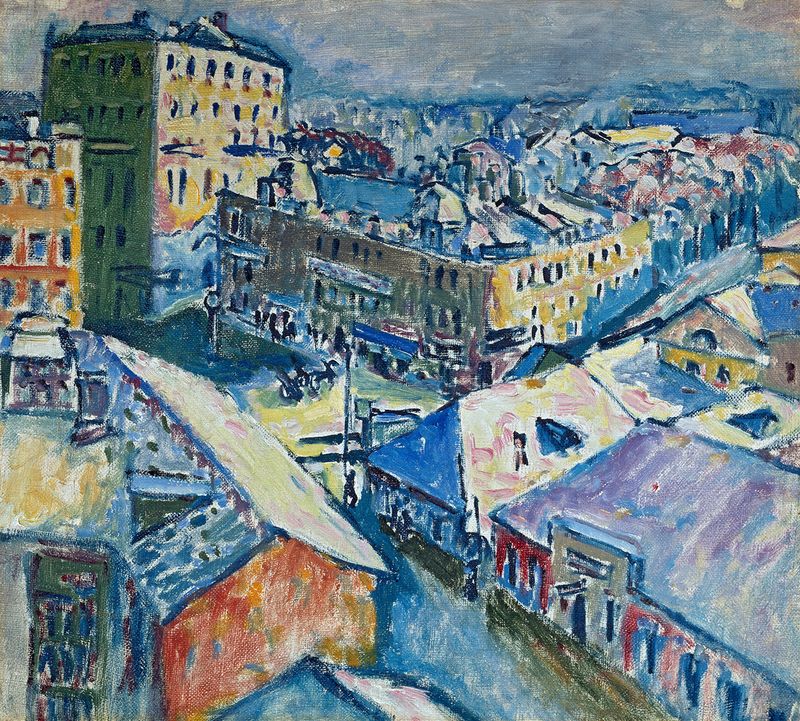
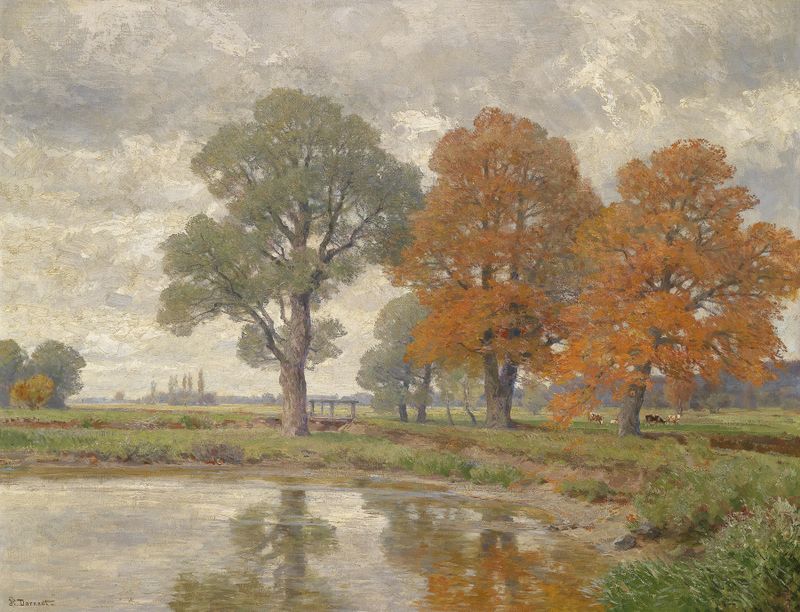
Who listens when art speaks of silence? In the stillness of Motif of Plankenberg, a profound unease lingers, urging us to confront our own fears. Look to the center of the canvas, where a delicate interplay of shadows and muted colors unfolds. The layered textures create a tangible depth, drawing your gaze to the subtle contours that evoke an unsettling sense of isolation. Notice how the edges are blurred, merging into the background, suggesting an absence of boundaries and reinforcing the theme of fear that permeates the piece. As you immerse yourself further, small details emerge: a frail hand reaching out, a solitary figure shrouded in mist, whispers of past echoes that haunt the viewer.
These elements, seemingly innocuous, create a palpable tension between presence and absence, inviting contemplation on the nature of vulnerability. The muted palette mirrors the emotions of apprehension and solitude, making the interaction both intimate and disquieting. Hugo Darnaut painted Motif of Plankenberg during a time when artistic experimentation was flourishing in the early 20th century. Little is documented about this specific piece, but it resonates with the broader currents of the avant-garde movement, which sought to explore deep psychological themes.
The artist's engagement with abstraction reflects his personal journey as well, one marked by introspection amidst a rapidly changing world.
More Artworks by Hugo Darnaut
Browse all →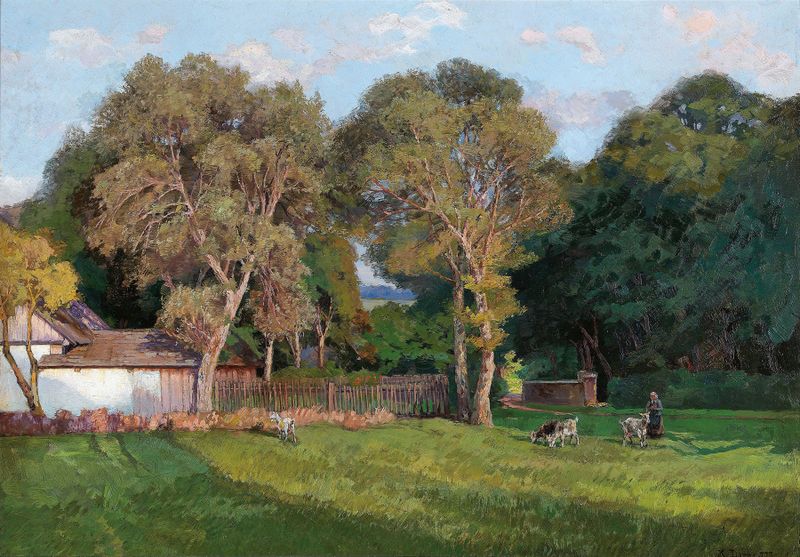
Aus dem Wienerwald
Hugo Darnaut
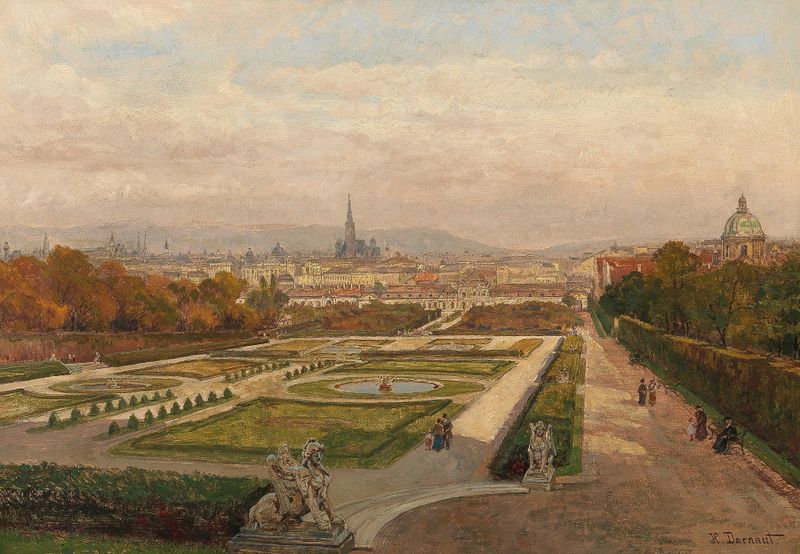
Blick vom Belvedere auf Wien
Hugo Darnaut

Motiv aus Plankenberg
Hugo Darnaut

In einem Wiener Garten (II., Praterstraße 60)
Hugo Darnaut

A Scene at Dusk in Late Autumn
Hugo Darnaut
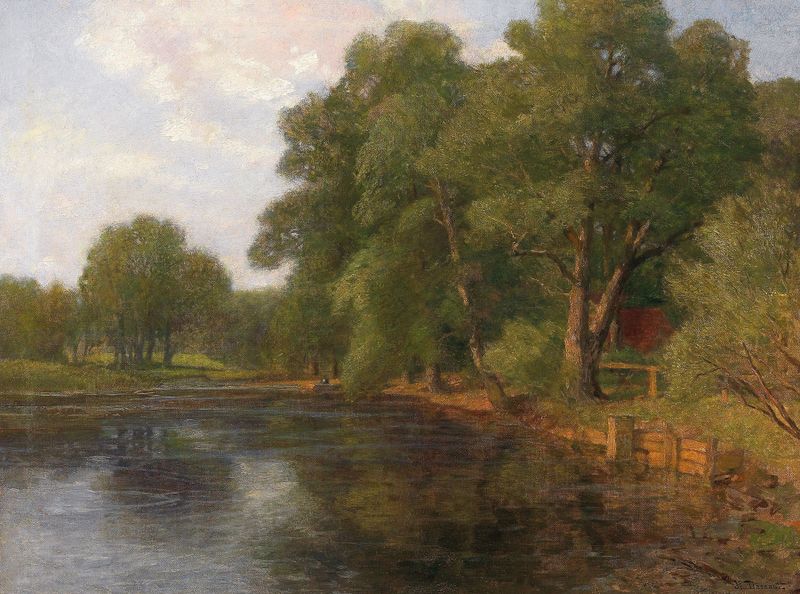
Motiv bei Plankenberg
Hugo Darnaut

Die Ruine Starhemberg im Piestingtal
Hugo Darnaut
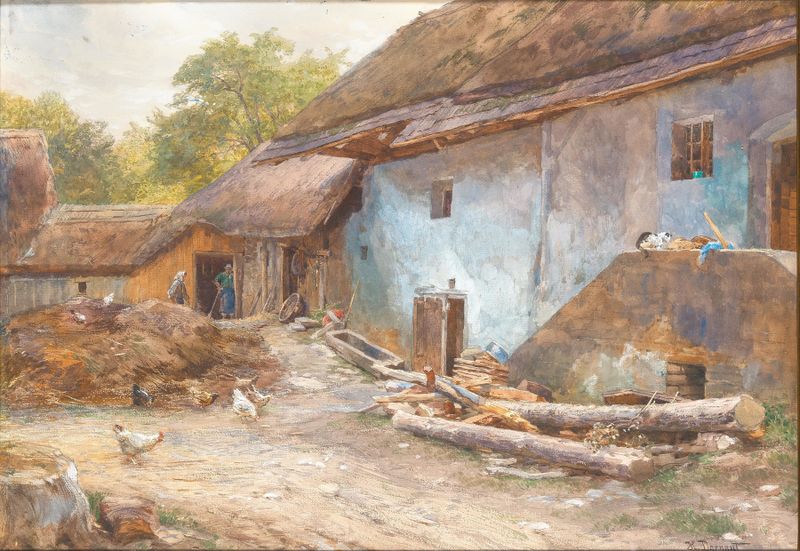
Niederösterreichischer Bauernhof
Hugo Darnaut

River Landscape with Small Herd of Cows and a Village in the background
Hugo Darnaut
Spätherbsttag
Hugo Darnaut