Mount Athos Carved as a Monument to Alexander the Great — History & Facts
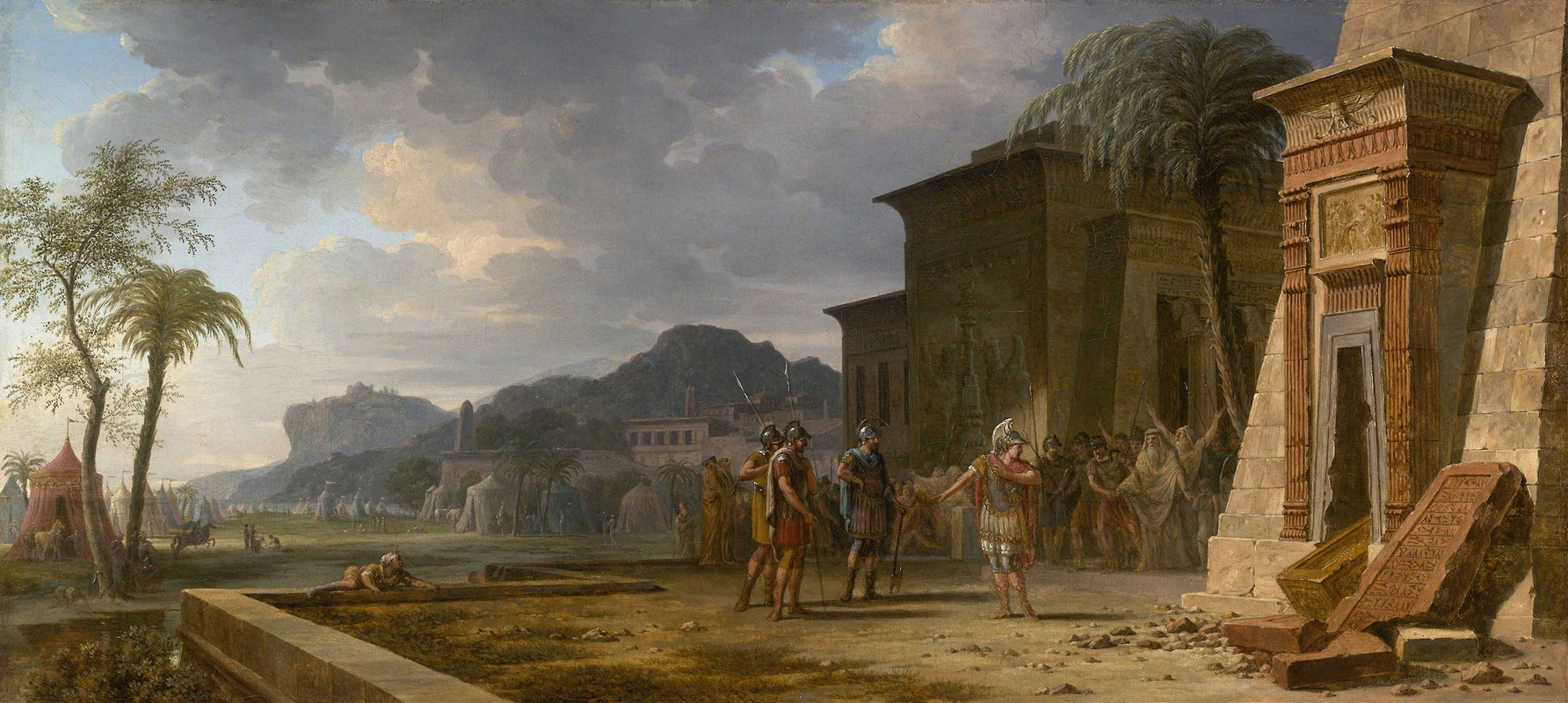
In the layers of paint and shadow, what emerges may resonate with the ache of loss that transcends time. Look to the foreground, where the delicate hues of the landscape merge seamlessly with the imposing mountaintop, creating a stark yet harmonious contrast. The gentle greens and soft blues evoke a sense of tranquility, yet they serve as a backdrop to the powerful monument carved into the mountainside. Notice how the light cascades across the rock formations, illuminating the intricate details of the sculpture, while the darker shades linger like whispered memories, hinting at forgotten stories and the weight of history. There is a palpable tension between nature and man in this piece.
The monument, a grand homage to greatness, stands resolute yet vulnerable, a reminder of both triumph and the inevitable passage of time. The ethereal quality of the sky, painted with soft strokes of pink and orange, suggests the fleeting nature of glory. In the distance, the shadows loom, perhaps symbolizing the overshadowing burden of historical legacy and the loss of what once was.
Each brushstroke invites contemplation of the sacrifices made for ambition and the echoes of past heroes who now exist only in memory. Painted in 1796, this work reflects Pierre Henri de Valenciennes' quest to intertwine art and philosophy amidst the shifting tides of neoclassicism. At a time when France was navigating the turbulence of revolution, the artist sought solace in classical themes, using his craft to explore the tension between humanity and its ideals. The awareness of loss and impermanence permeates this moment, mirroring both the artist’s individual journey and the collective consciousness of an era in transition.