Mount Fuji — History & Facts
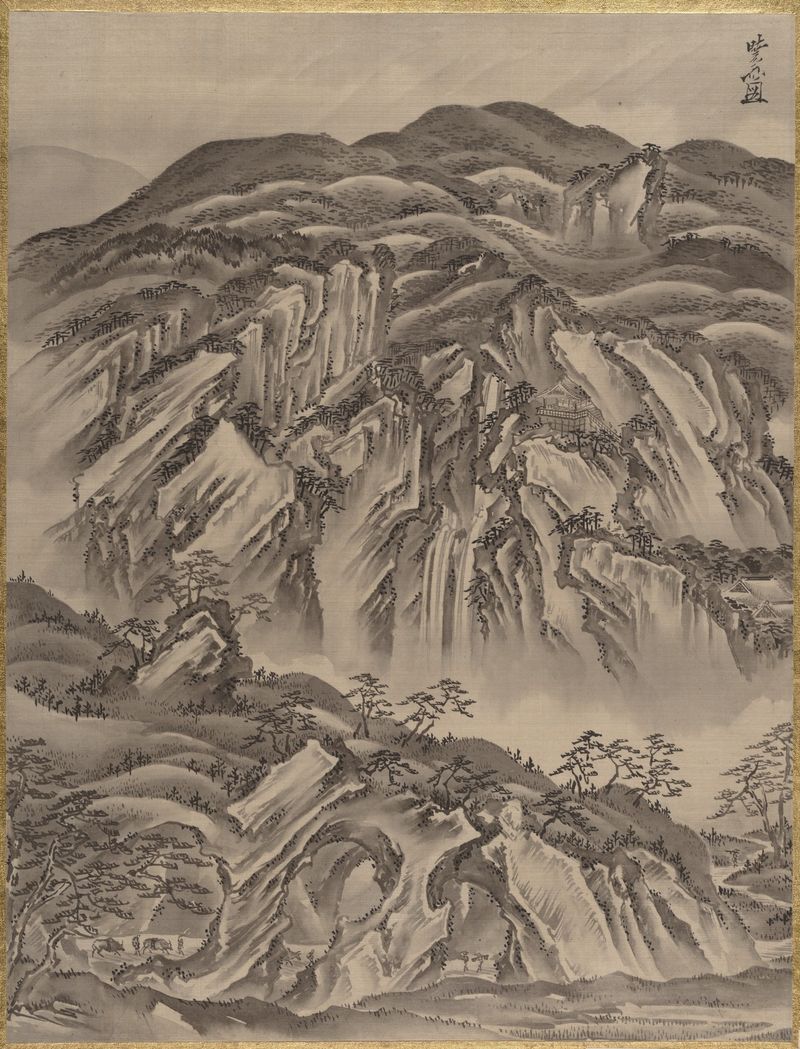
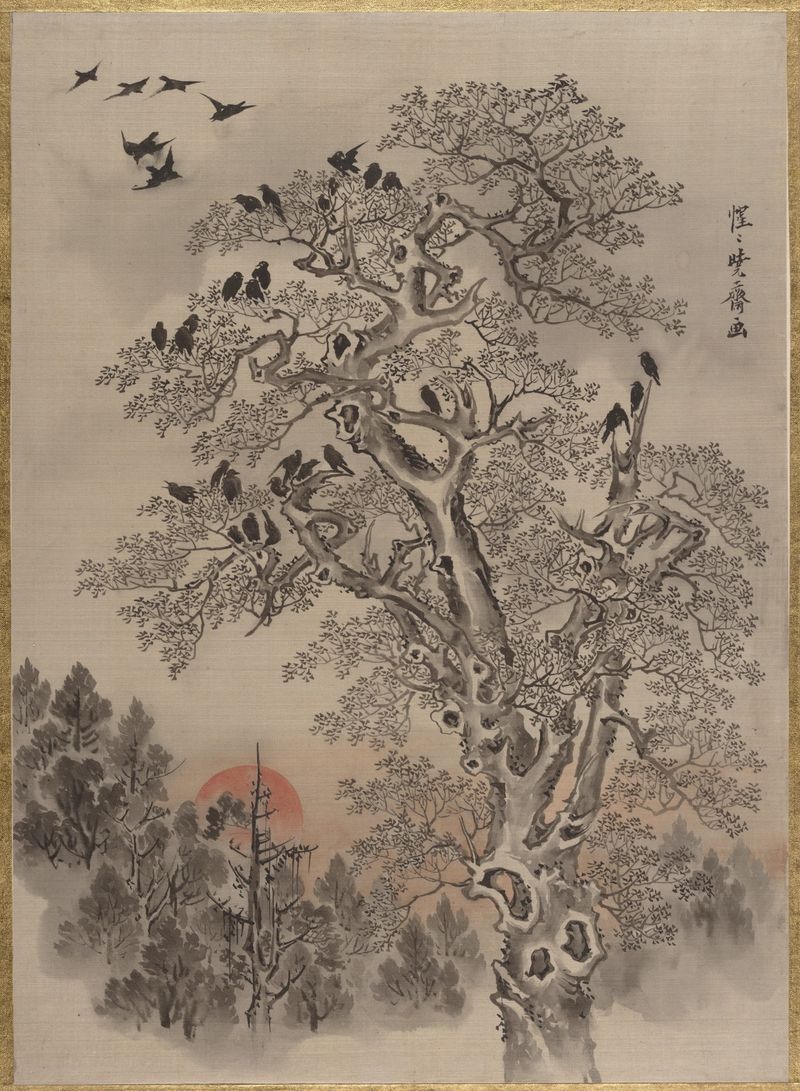
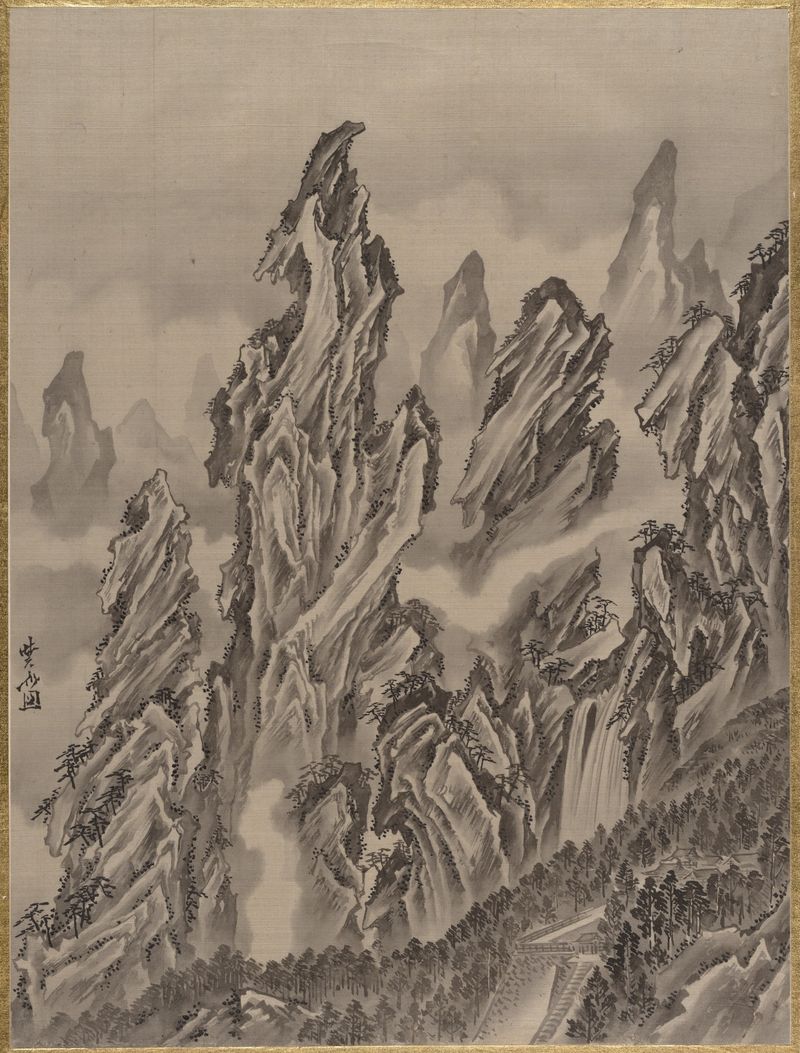
In the quietude of a moment, the ethereal form of Mount Fuji rises triumphantly, cloaked in a delicate veil of mystery, reflecting both serenity and the weight of unspoken stories. Look to the foreground where layers of rich, textured strokes paint the lush landscape, guiding your gaze upward towards the magnificent peak. Notice the ethereal shroud of clouds that gently embraces the mountain’s summit, forming a soft halo that contrasts starkly with the verdant greens and earth tones below. The interplay of light and shadow conveys a palpable sense of depth, while the warm hues hint at the dawn or dusk, adding an emotional resonance that elevates the natural beauty into something profoundly introspective. Within the composition lies a tension between the mountain's majestic permanence and the ephemeral beauty of the landscape around it; one feels a quiet struggle between nature's elegance and the fleeting moments of life.
The deliberate brushwork creates a rhythmic pattern that evokes the heartbeat of the earth, suggesting both creation and decay. Each stroke captures the delicate dance between beauty and sorrow, portraying the mountain not merely as a subject, but as a witness to countless stories of hope and heartbreak. Kawanabe Kyōsai painted this serene landscape in 1887, a time when he was deeply engaged in the traditional Ukiyo-e style while also exploring new artistic approaches. Living in Japan during a period of rapid modernization, his work reflects the tension between the past and the present, as Western influences began to permeate Japanese art.
This piece stands as a testament to his mastery in blending traditional themes with contemporary insights, capturing a poignant moment in a rapidly changing world.