Rocky Landscape — History & Facts
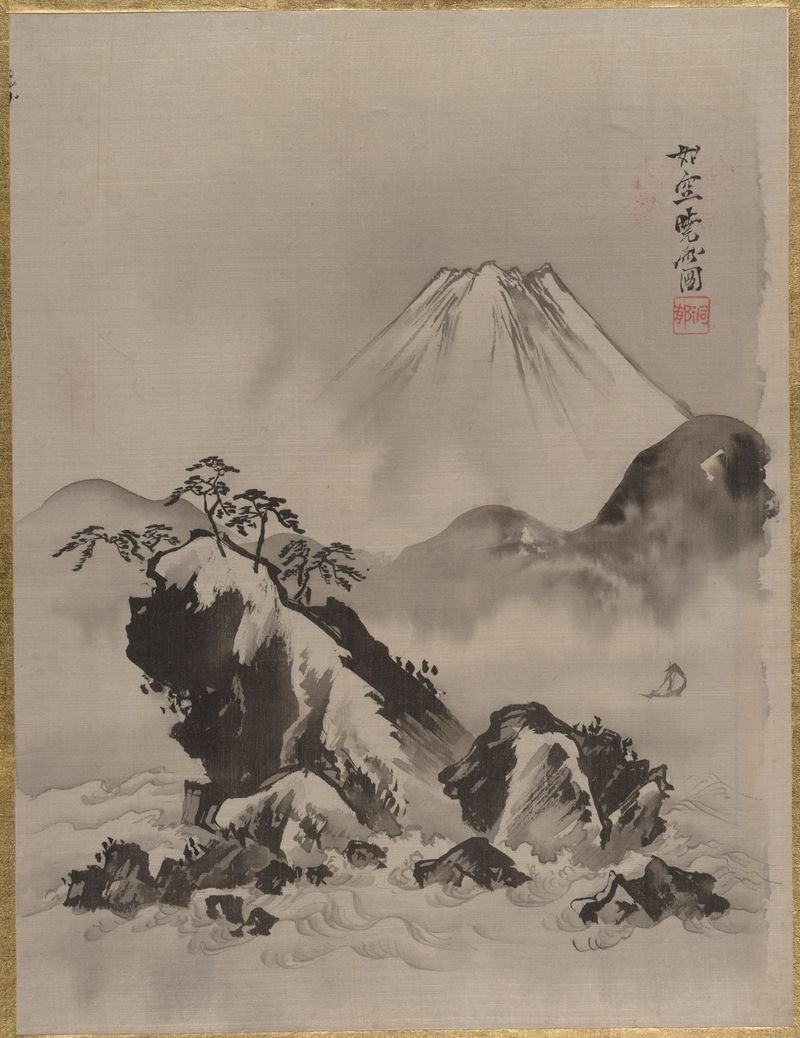
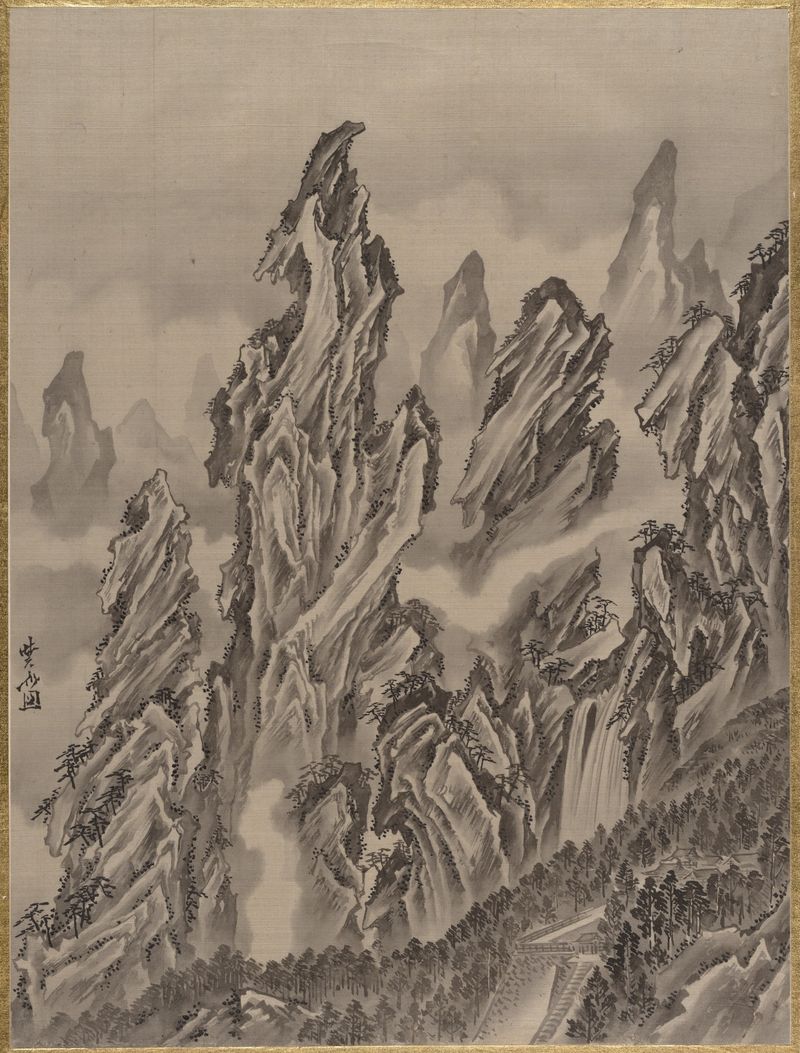
In the stillness of creation, the echoes of loss resonate deeply within the strokes of a master’s brush. Each element captured in that moment speaks to the void left behind, whispering secrets of a world both vivid and transient. Look to the midsection of the painting, where jagged mountains rise sharply against an expansive sky. Notice how the deep greens and browns of the terrain contrast with soft, swirling clouds brushed in muted grays and whites.
This juxtaposition of ruggedness and ethereality conveys a sense of struggle and beauty intertwined. The artist employs bold outlines and textured layering, inviting the viewer to explore the complexities of nature’s landscape while simultaneously reflecting the emotional landscape within. Delve deeper into the scene, and you’ll find that the delicate interplay of light and shadow unveils layers of meaning. The dark crevices of the rocks seem to conceal untold stories, while the lighter hues that spill into the foreground evoke feelings of hope amidst desolation.
This contrast mirrors the human experience of grappling with loss while yearning for renewal. Each brushstroke becomes a meditation on existence, reminding us of what is gained and what is irrevocably lost. During 1887, Kawanabe Kyōsai painted this piece at a time of personal and societal transition. Japan was embracing modernization and leaving behind its traditional past.
It was a period of artistic experimentation, and Kyōsai, known for his unique blend of ukiyo-e and Western techniques, sought to capture the essence of a changing world. This work reflects not only his artistry but also the broader emotional currents that swept through Japan as it grappled with its identity.