Mountain and Valley — History & Facts
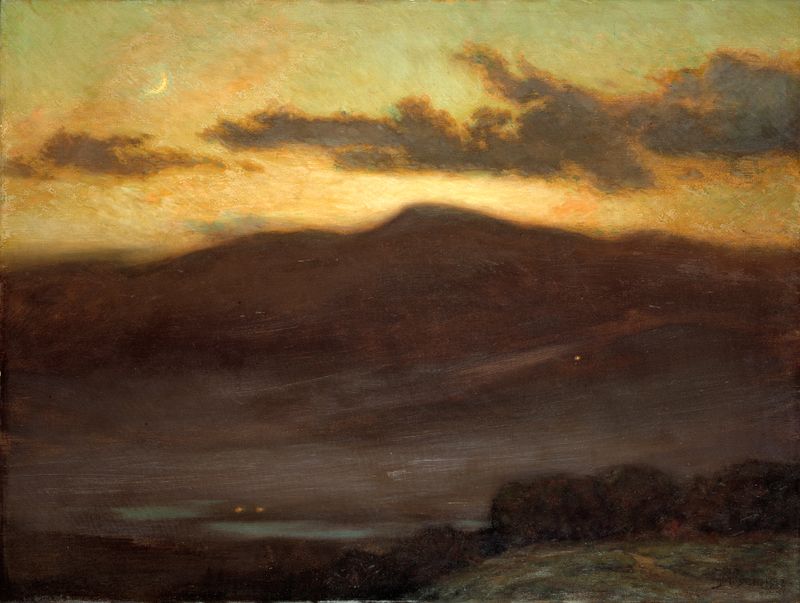
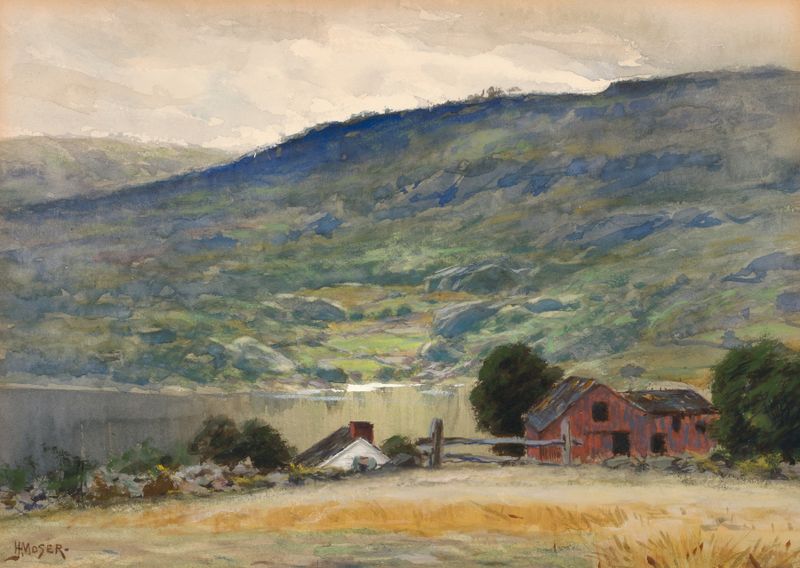
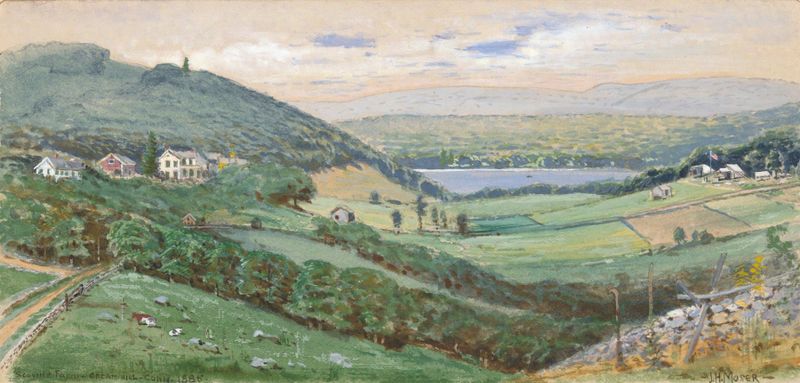
Can beauty exist without sorrow? In the delicate balance between the grandeur of nature and the human experience, this question lingers, inviting contemplation. Focus on the sweeping expanse of the landscape, where vibrant greens of the valley meet the steadfast browns and grays of the mountains. Observe the soft brushstrokes that capture the undulating hills in the foreground, guiding your gaze upwards toward majestic peaks that loom with a silent presence. Notice how the light bathes the entire scene in a warm golden hue, illuminating the intricate details of foliage while casting shadows that hint at the mysteries of the heights above. Within this harmony, a subtle tension arises.
The valley, alive with life and color, contrasts sharply against the imposing, stoic mountains, suggesting a duality of joy and introspection. The interplay of light and shadow not only enhances the beauty of the landscape but also evokes deeper emotions—perhaps our own struggles in navigating the vastness of life’s challenges. Each element, from the gentle bend of the river to the quiet stillness of the peaks, speaks to the revelation that beauty can often coexist with profound contemplation. James Henry Moser painted this work in 1893, a period marked by a burgeoning appreciation for natural landscapes in American art.
Living in an era transitioning from the Romantic to the Impressionist movements, he sought to capture the essence of nature’s splendor while reflecting the inner emotional landscapes of humanity. This piece emerged during a time when artists increasingly explored the connection between environment and emotion, revealing the complexities of existence through their depictions.