Scoville Farm, Cream Hill, Connecticut — History & Facts
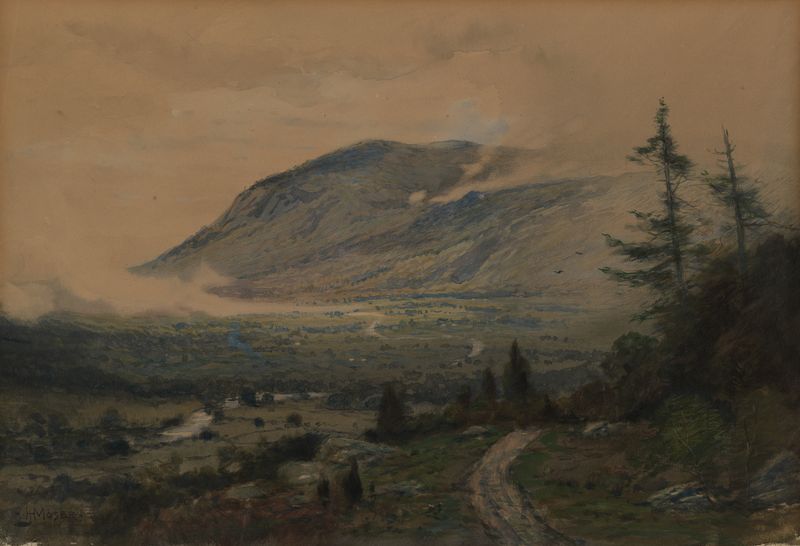
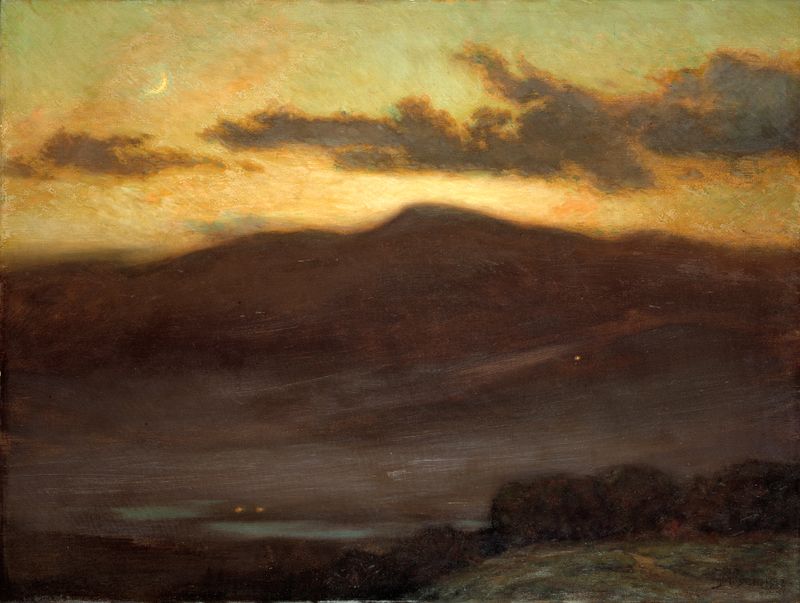
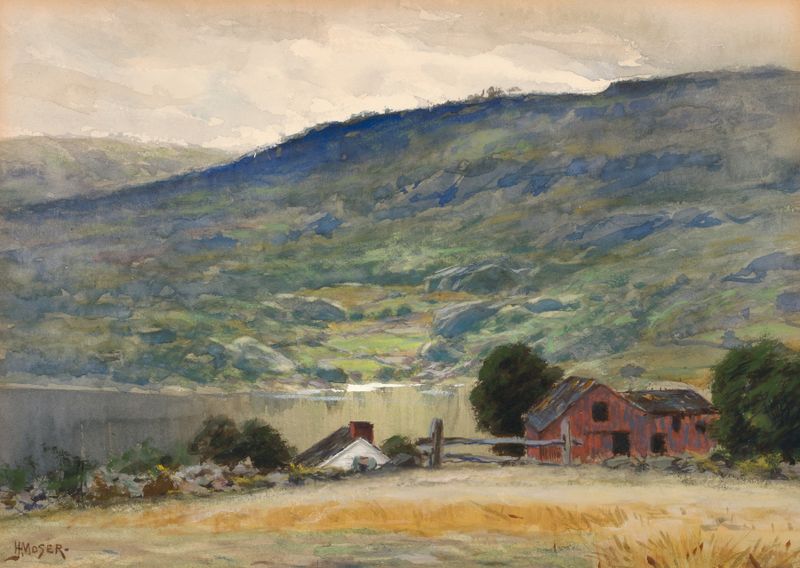
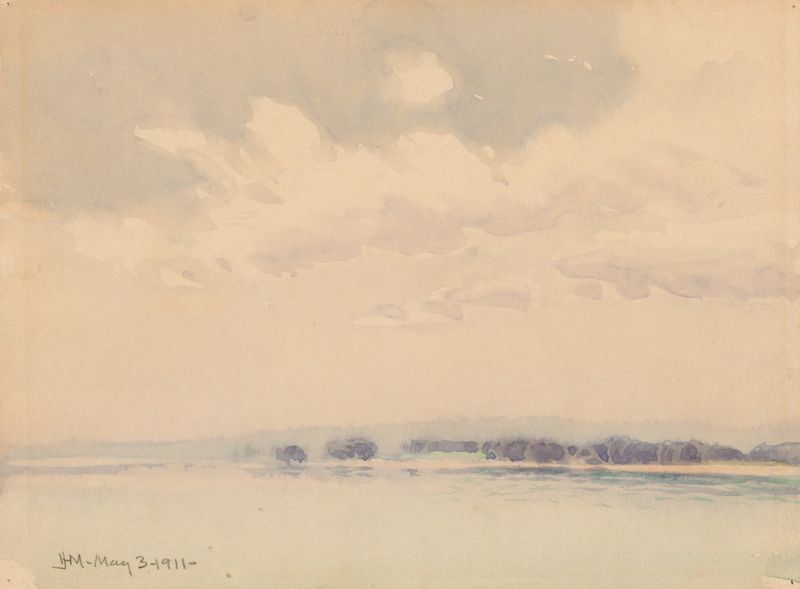
In moments of stillness, nature offers a transcendent embrace, inviting us to pause and reflect. Look closely at the horizon where rolling hills meet the sky, bathed in a tender palette of greens and muted blues. The gentle strokes create a serene landscape, each brush of color harmonizing with the other, guiding the eye through the composition. Notice how the light diffuses softly across the fields, revealing the texture of the crops, while shadows dance like whispers between the trees.
Each element weaves together, evoking a profound sense of peace. As you explore the scene, deeper meanings emerge. The quietude of the farm reflects a transient moment in time, suggesting a connection to the land and a yearning for permanence in the face of inevitable change. The contrasting vibrancy of the foliage against the earthy tones evokes a tension between vitality and stillness, prompting contemplation on what it means to find solace amidst the chaos of existence.
The layered textures remind us of nature’s intricacies, while the horizon hints at possibilities beyond the frame. In 1885, the artist painted this work in a world on the cusp of modernity, where the beauty of rural life began to coexist with industrial advancement. Moser, immersed in the American Impressionist movement, sought to capture the essence of his surroundings with an authenticity that resonates today. As he stood in Cream Hill, Connecticut, he not only depicted a landscape but also conveyed the enduring relationship between humanity and nature during a time of great change.