Mountain Landscape — History & Facts
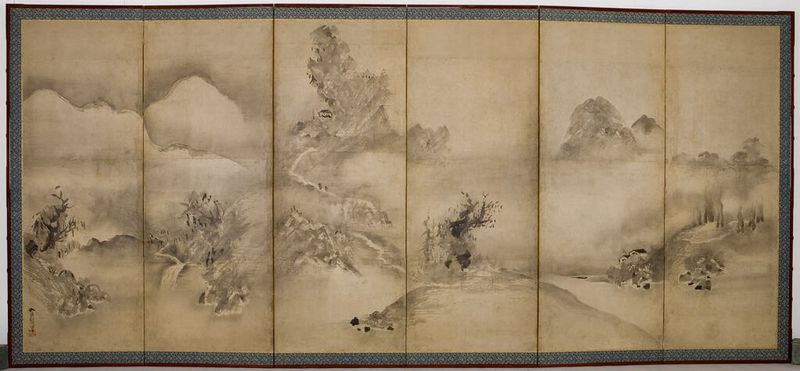
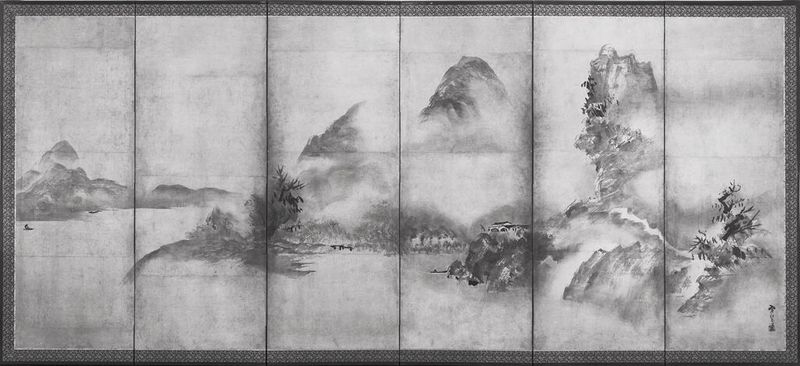
Can paint confess what words never could? In the silent cadence of a mountain landscape, the innocence of nature unfolds with each stroke, inviting reflection and evoking the pure essence of existence. Look to the foreground where soft, rolling hills cradle the scene, painted in delicate washes of green that blend seamlessly with the gentle blues of the distant mountains. Notice how the light diffuses across the canvas, casting an ethereal glow that seems to breathe life into the tranquil waters. The careful balance of composition pulls the viewer's gaze upward, inviting them to traverse the path laid out by the artist, whose deft brushwork captures the harmony of nature in all its glory. Hidden within the serene surface lie contrasts that speak volumes—between the calm waters and the imposing mountain peaks, signaling the duality of peace and power.
The subtle interplay of light and shadow reveals a landscape both inviting and formidable, reflecting the innocence of untouched beauty while hinting at the formidable nature that lies beyond human reach. These details echo a deeper narrative: a reverence for the world seen through the eyes of someone who finds solace in nature’s embrace. Shūgetsu Tōkan created this mountain landscape during the Edo period, a time when Japanese art was evolving yet deeply rooted in tradition. Painted between the 18th and 19th centuries, Tōkan's work emerged in an age of flourishing cultural expression, as artists sought to capture the shifting landscape of their world, providing a window into both personal introspection and broader societal themes.