
Mountain Landscape — History & Facts
Amid the towering peaks and vast skies, a hidden realm awaits discovery — a reflection of both nature and the self. Look to the center of the canvas, where jagged mountains rise majestically against a backdrop of soft hues. Notice how the delicate interplay of blues and greens captures the essence of the landscape, inviting the viewer to breathe in the cool, crisp air. The brushstrokes suggest movement in the clouds, creating a serene tension that hovers just above the stillness of the ground, while subtle highlights reveal the contours of the terrain, drawing the eye deeper into the scene. Within this tranquil expanse lies a profound dichotomy.
The ruggedness of the mountains conveys strength, yet the gentle flow of the river that meanders at their base symbolizes tranquility. Here, reflections blossom not just in the water, but in the soul, as if the landscape mirrors our innermost thoughts and emotions, evoking a longing for connection with nature. Each element harmonizes, suggesting a fragile balance between chaos and calm. Friedrich Carl von Scheidlin painted this work during a period when romanticism was blossoming in Europe, though the exact date remains unknown.
Working amidst the profound changes of the 19th century, he sought to explore deeper emotional connections through landscapes, a trend that resonated with a society grappling with industrialization. His art reflects a yearning for the untouched beauty of nature, an escape from the encroaching modern world.
More Artworks by Friedrich Carl von Scheidlin
Browse all →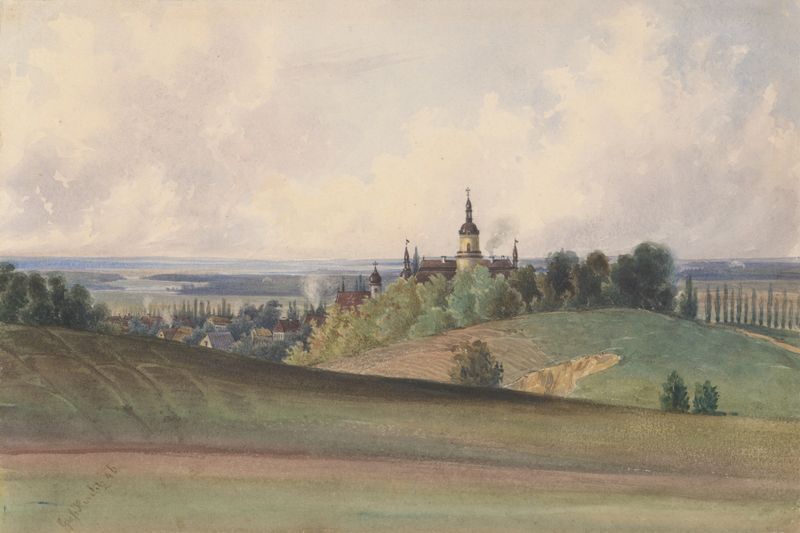
View of Gross Herrlitz
Friedrich Carl von Scheidlin
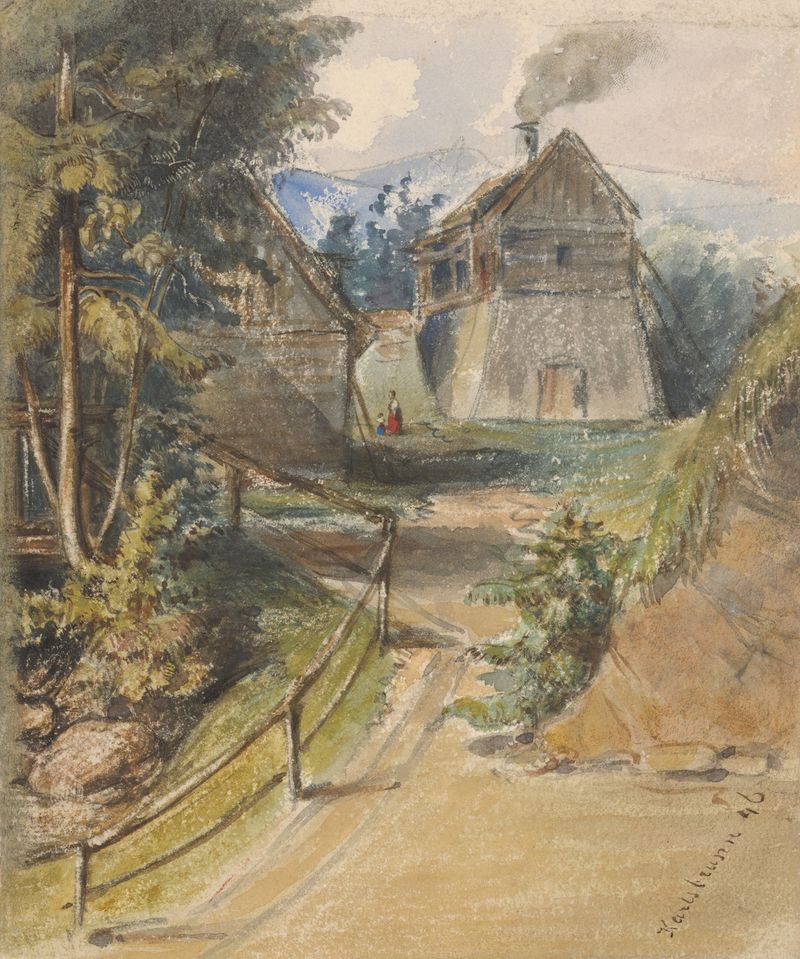
Motif from Karlsbrunn
Friedrich Carl von Scheidlin
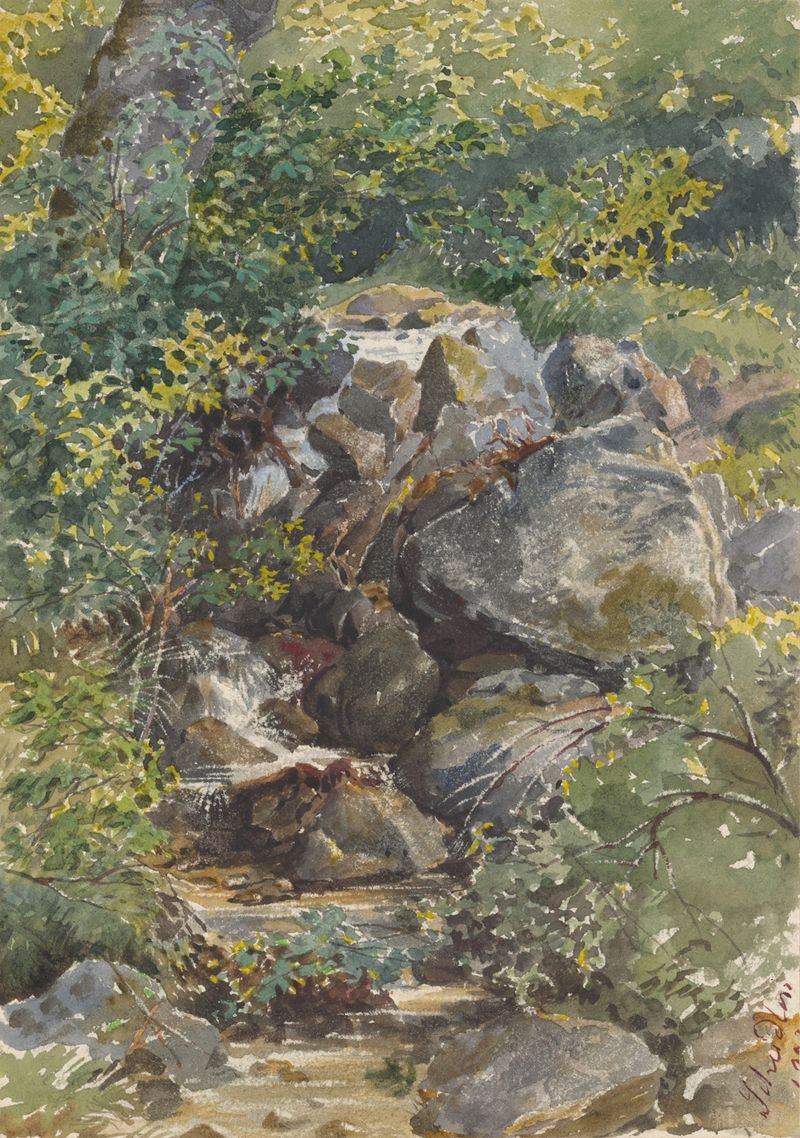
Forest Brook
Friedrich Carl von Scheidlin
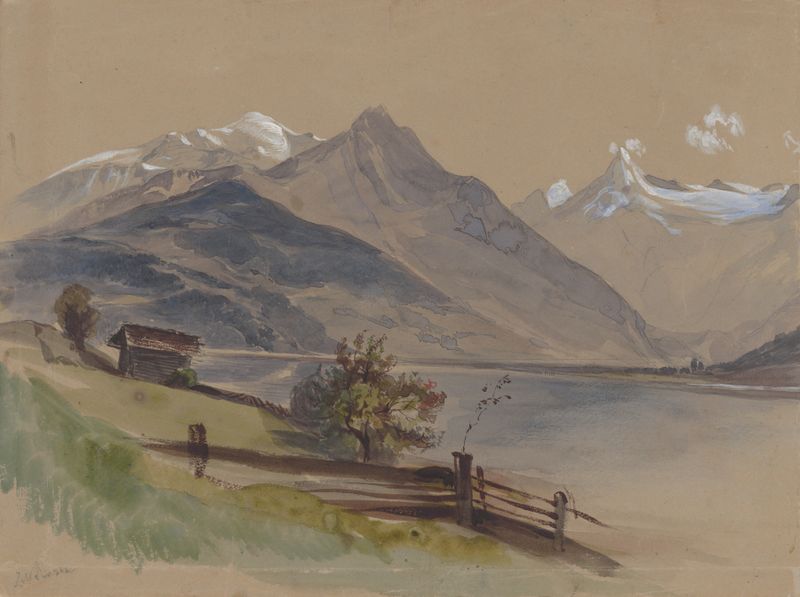
Alpine Landscape with a Lake
Friedrich Carl von Scheidlin
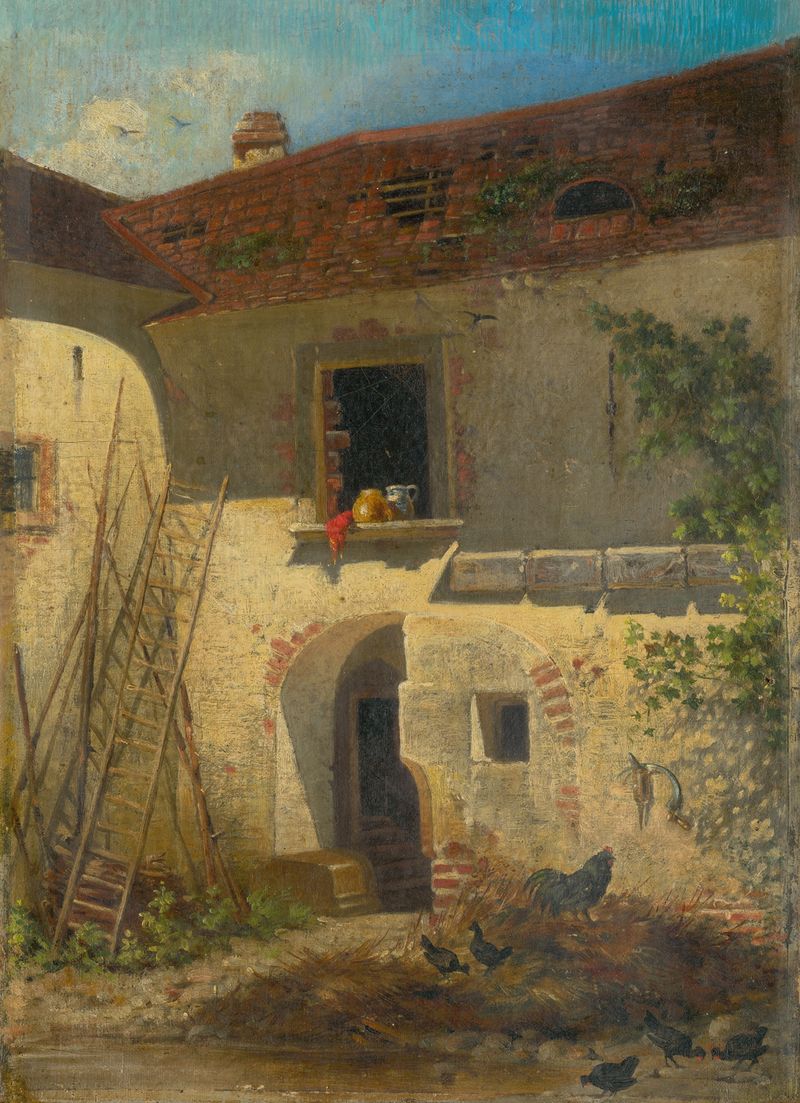
Old Farm Yard in Jur
Friedrich Carl von Scheidlin
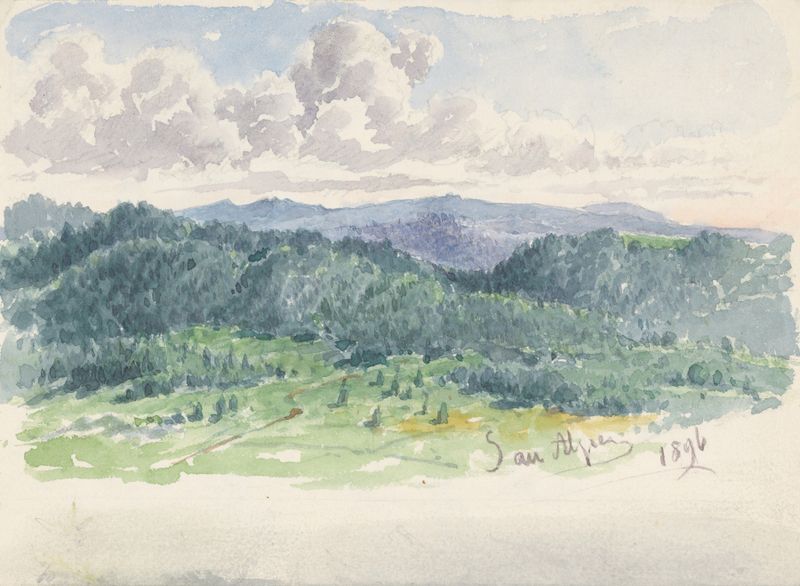
Mountain Landscape
Friedrich Carl von Scheidlin
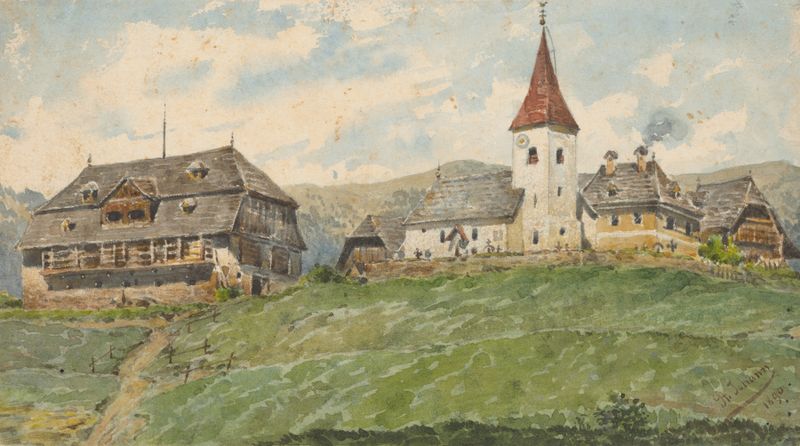
View of St. Johann
Friedrich Carl von Scheidlin
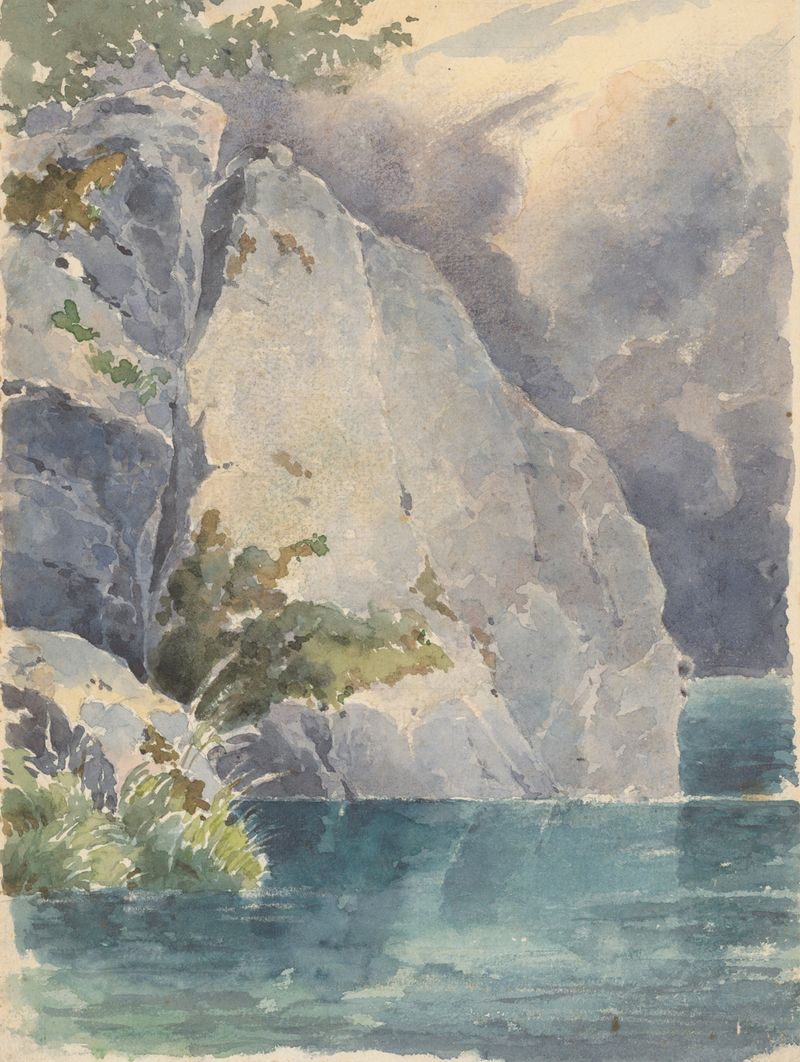
Rock above a Lake
Friedrich Carl von Scheidlin
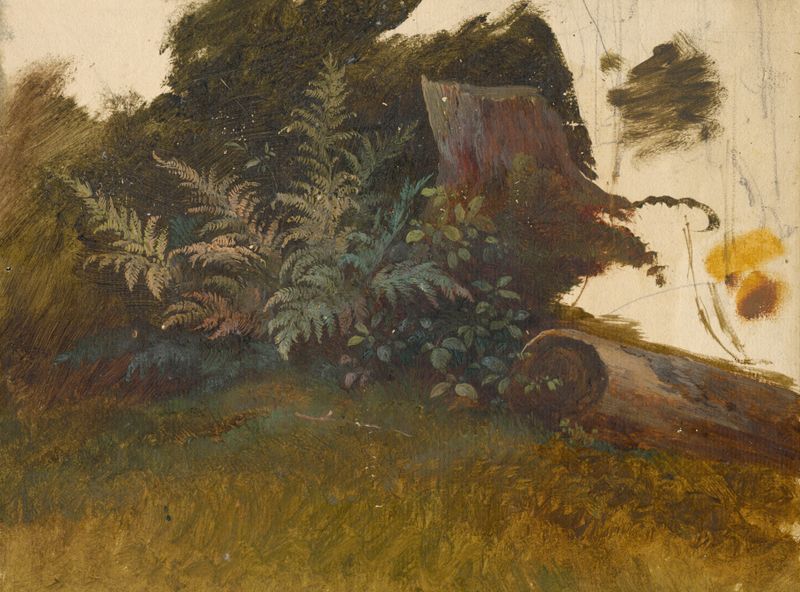
Mountain Vegetation
Friedrich Carl von Scheidlin
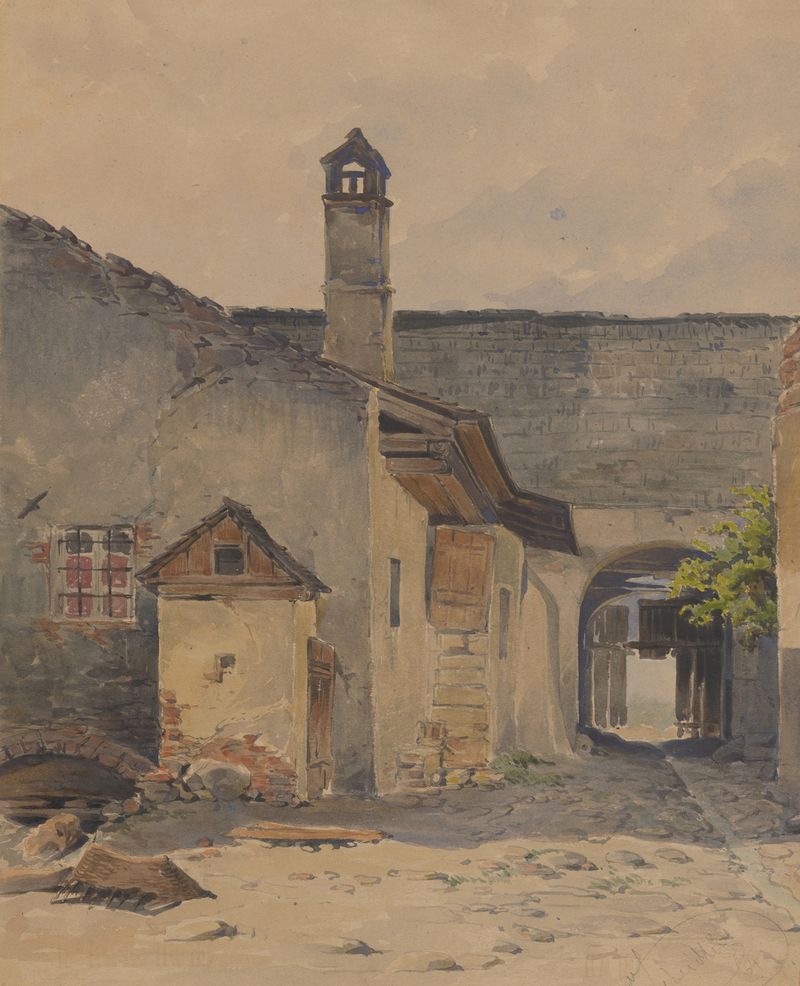
Old Yard
Friedrich Carl von Scheidlin





