
View of St. Johann — History & Facts
Can paint confess what words never could? In the stillness of View of St. Johann, a world unfolds where chaos meets tranquility, allowing the viewer to linger in the unspoken complexities of nature. Look to the foreground, where the rugged terrain embraces the viewer’s gaze. The craggy details of the mountains are striking, rendered with a deftness that captures both texture and depth.
Notice how the artist employs a gentle yet deliberate palette of earth tones, subtly transitioning into vibrant greens that infuse life into the landscape. The sky, a blend of soft blues and whites, draws your eyes upward, inviting a sense of infinite possibility while hinting at the tumultuous energy found beneath. In this composition, the interplay of light and shadow serves as a metaphor for the duality of existence. The looming mountains symbolize the chaos of nature, suggesting both beauty and danger, while the serene river below reflects a sense of calm.
The brushstrokes convey urgency as they dance across the canvas, whispering of the wildness that exists just below the surface. Here, the stillness and the turbulence coexist, prompting a contemplation of the balance we seek in our own lives. Friedrich Carl von Scheidlin captured View of St. Johann during a time when the Romantic movement was flourishing, emphasizing the beauty and terror of nature.
Although the exact date of this work remains elusive, the artist was deeply influenced by the changing landscapes of Europe, seeking to express the emotional resonance of the sublime through his art. This painting reflects a moment in his journey to reconcile humanity's place within the chaos of the natural world.
More Artworks by Friedrich Carl von Scheidlin
Browse all →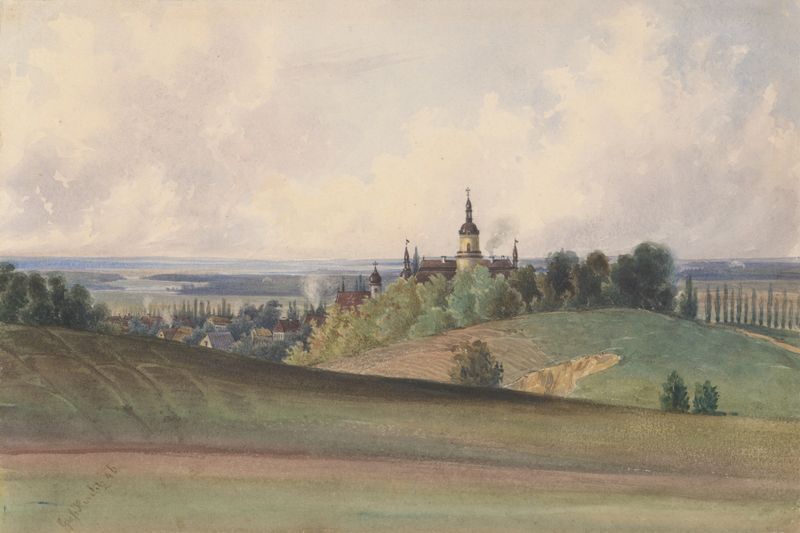
View of Gross Herrlitz
Friedrich Carl von Scheidlin
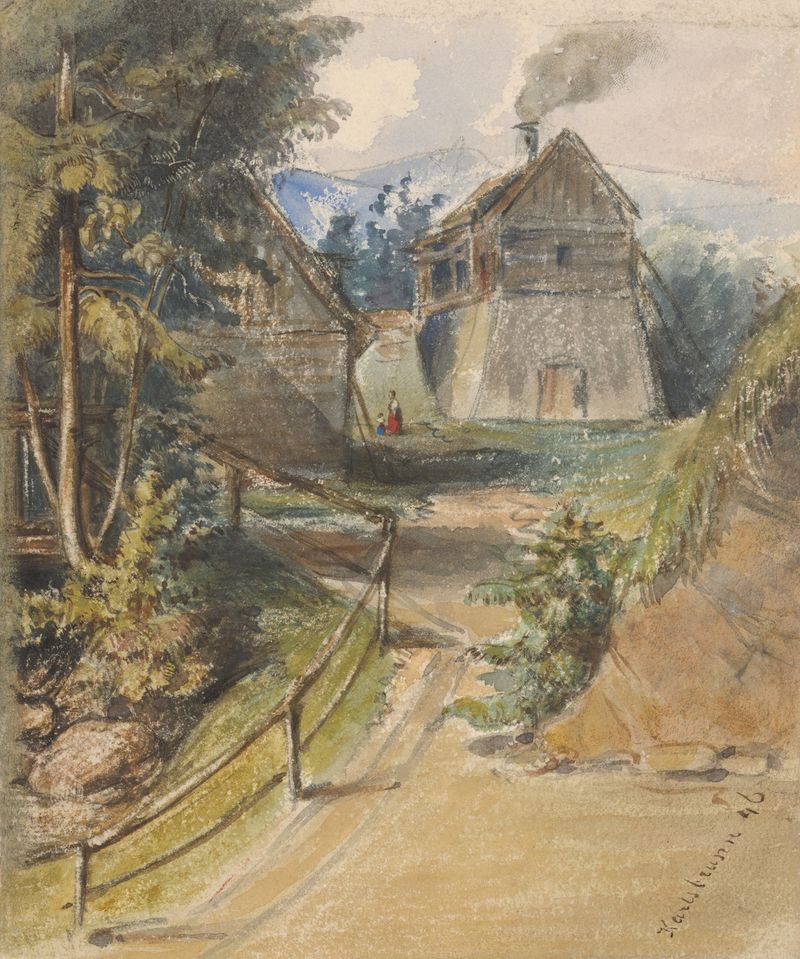
Motif from Karlsbrunn
Friedrich Carl von Scheidlin
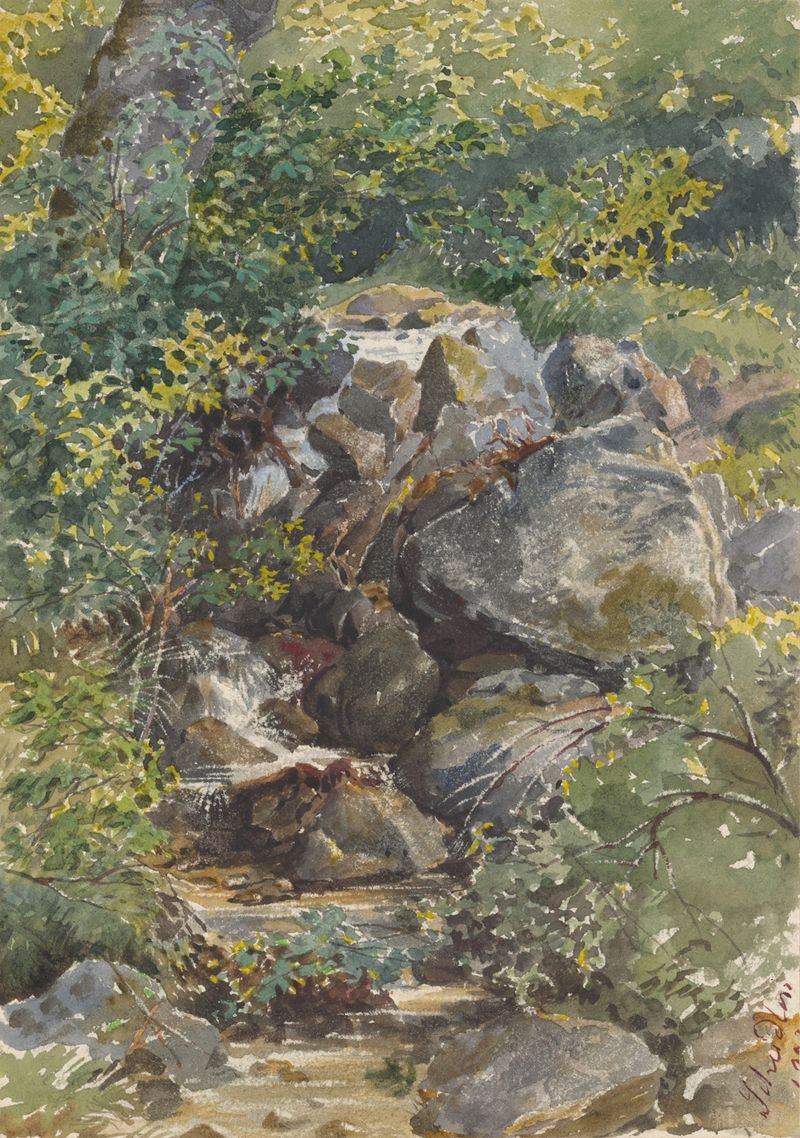
Forest Brook
Friedrich Carl von Scheidlin
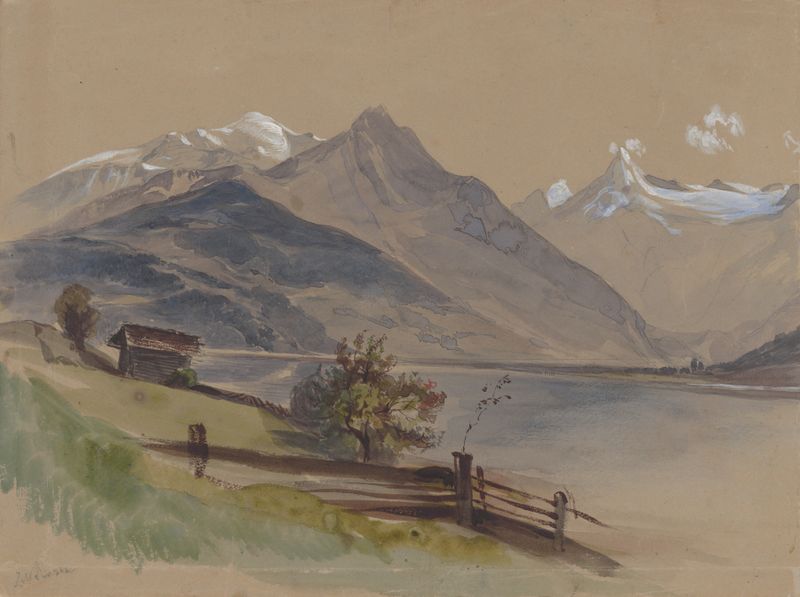
Alpine Landscape with a Lake
Friedrich Carl von Scheidlin
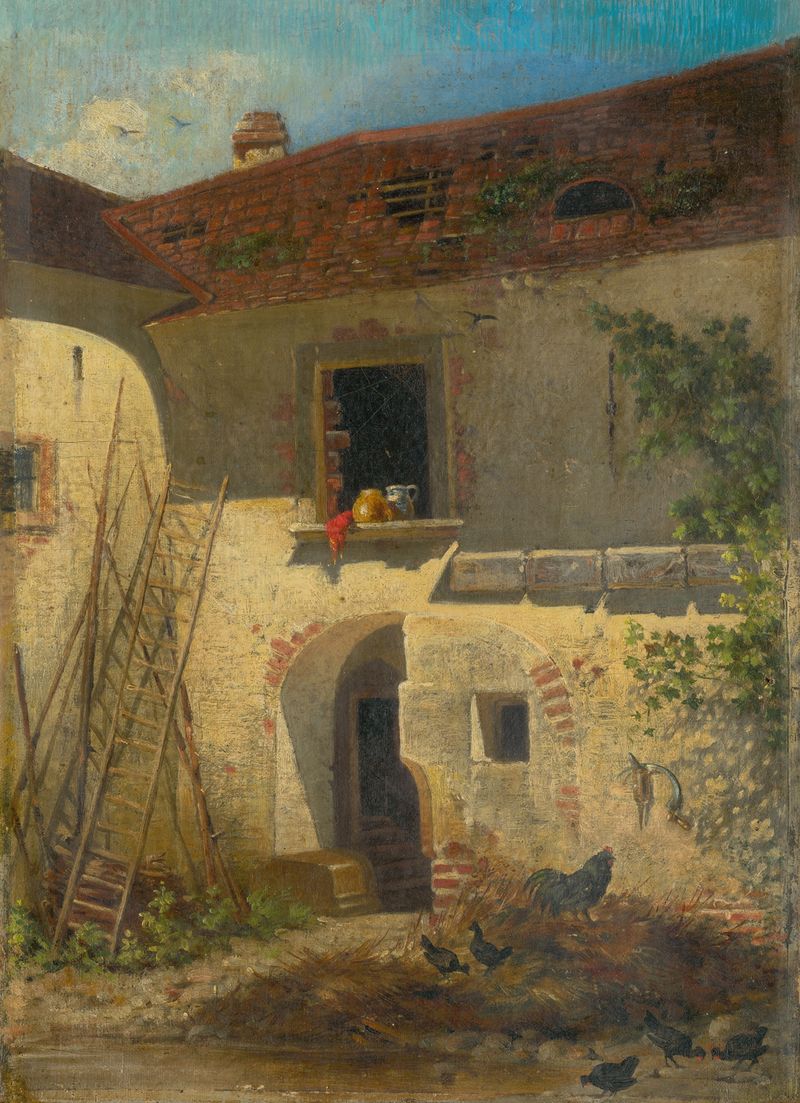
Old Farm Yard in Jur
Friedrich Carl von Scheidlin
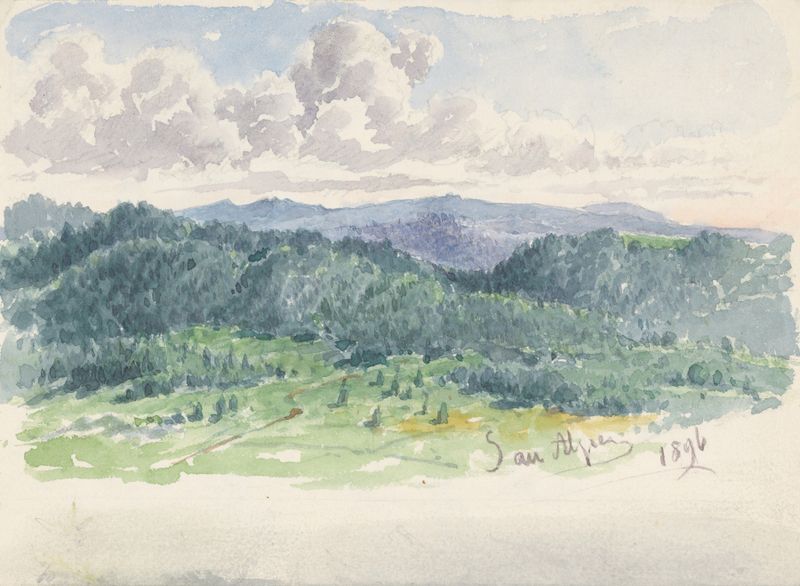
Mountain Landscape
Friedrich Carl von Scheidlin
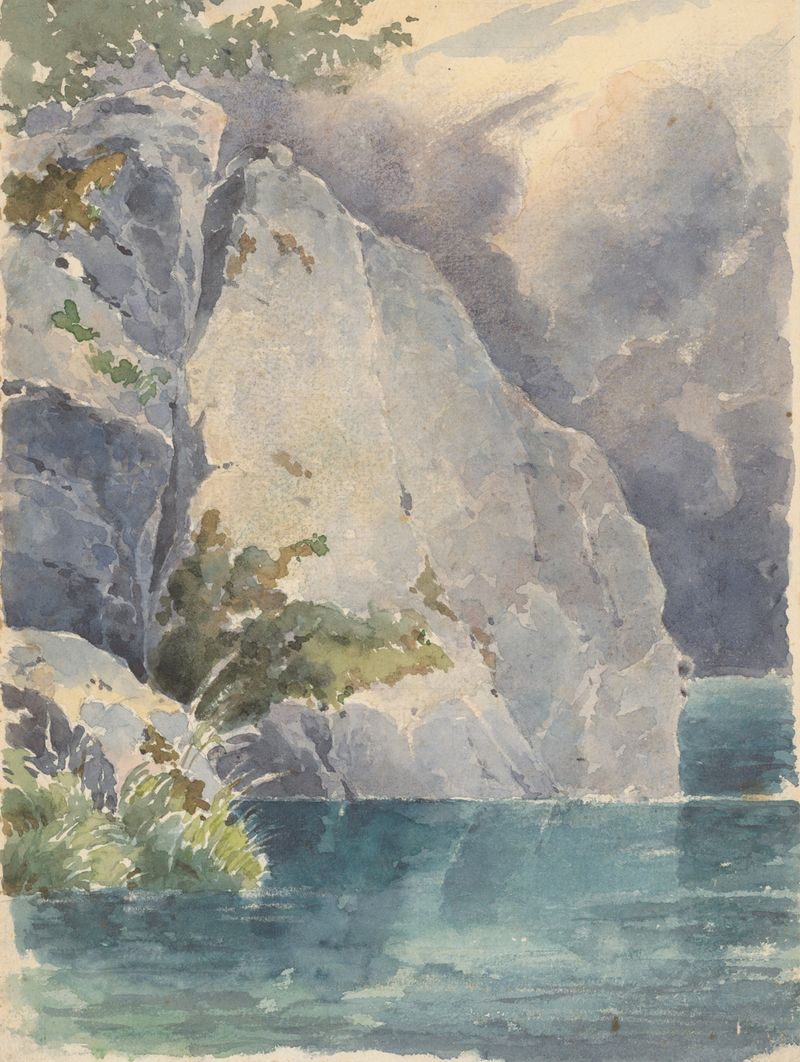
Rock above a Lake
Friedrich Carl von Scheidlin
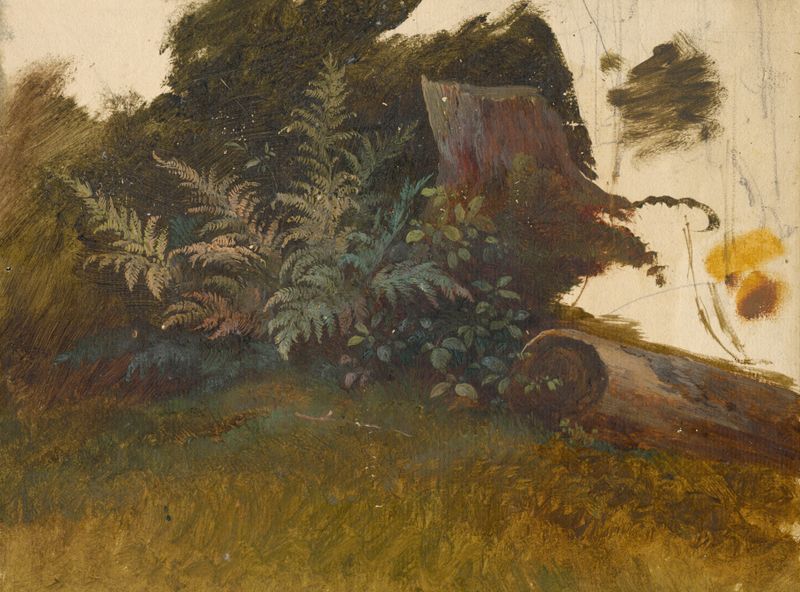
Mountain Vegetation
Friedrich Carl von Scheidlin
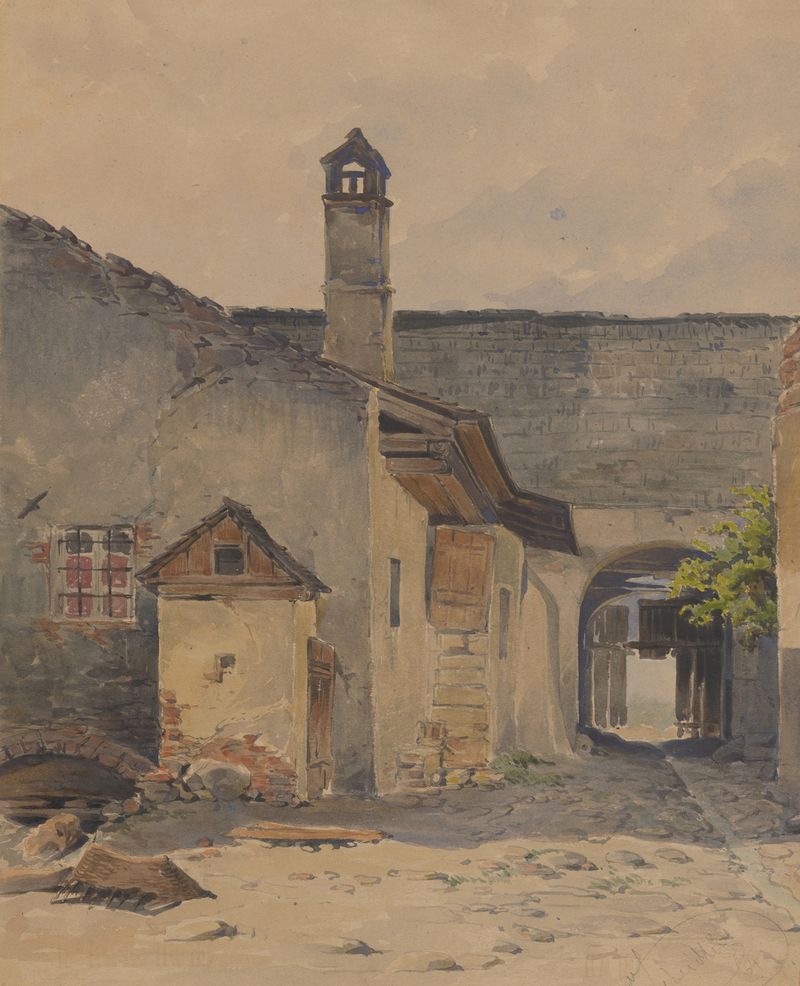
Old Yard
Friedrich Carl von Scheidlin
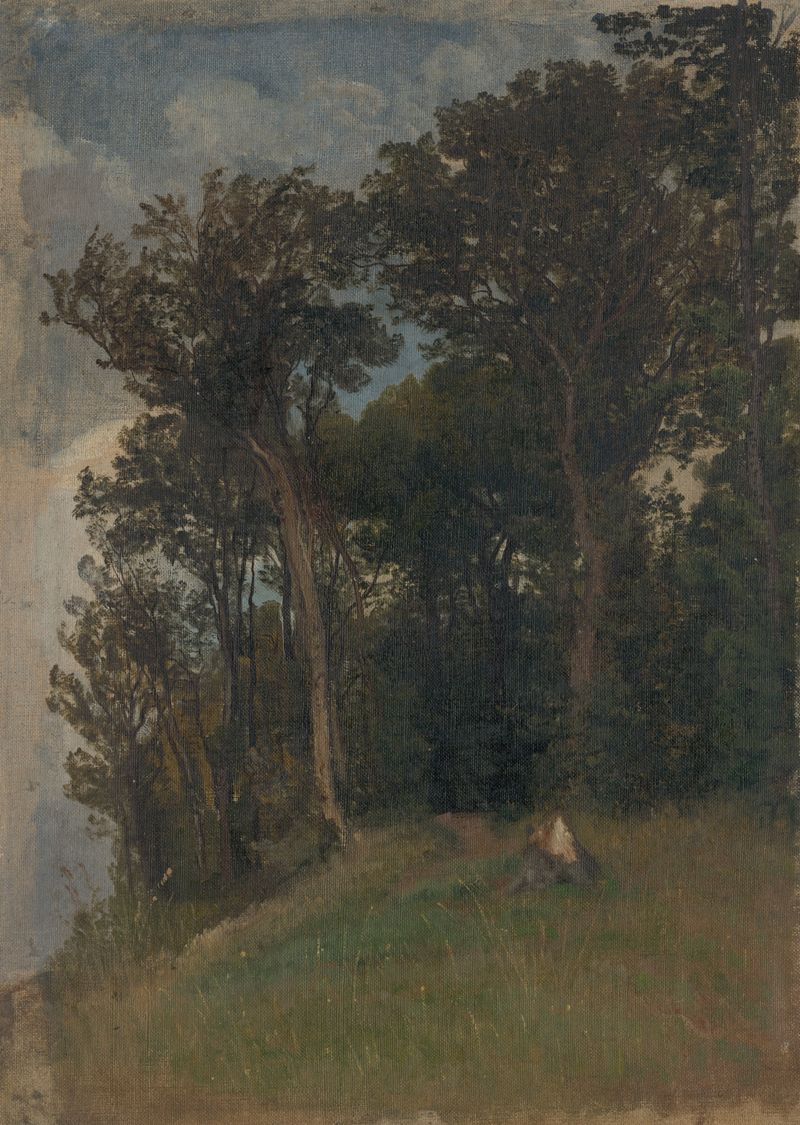
At the Edge of a Forest
Friedrich Carl von Scheidlin





