Mountain landscape with a bridge — History & Facts
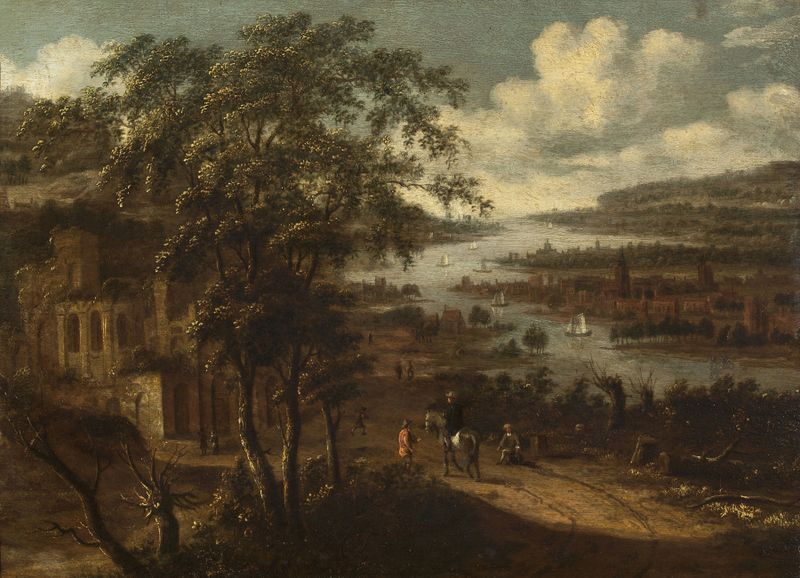
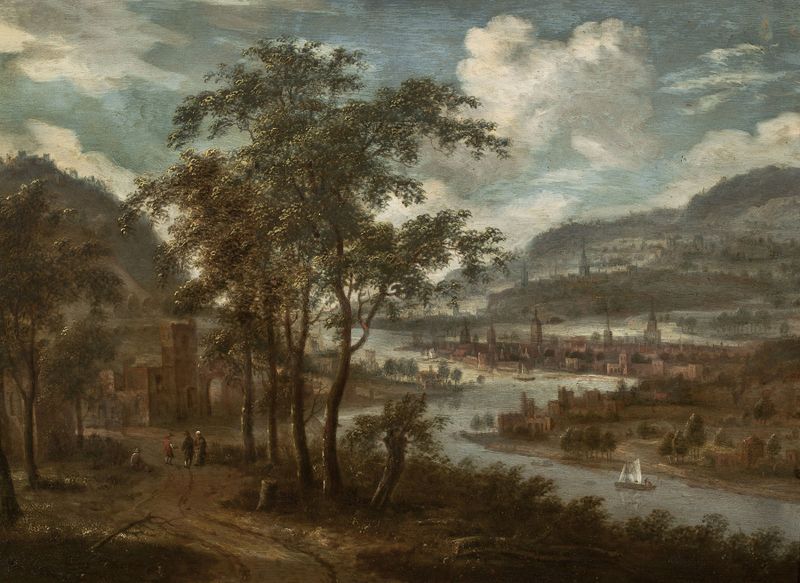
What if beauty was never meant to be finished? In the quiet splendor of nature, we find echoes of a longing that transcends time. Look to the left at the gentle curve of the river, where the water glimmers like polished glass, reflecting the tranquil mountains that rise majestically in the background. Notice how the bridge, a delicate arch of craftsmanship, invites the viewer's gaze across the water, symbolizing a pathway to the unknown. Each brushstroke breathes life into the scene, with hues of green and blue harmonizing with the soft browns of the earth, evoking tranquility and nostalgia. Upon deeper reflection, the bridge serves as a poignant reminder of connections — both physical and emotional.
The understated presence of the mountains suggests permanence, while the fluidity of the river symbolizes time’s passage. This duality creates a tension between the ephemeral and the everlasting, inviting us to contemplate our own journeys across life’s bridges. Each element resonates with an underlying yearning for beauty that feels both familiar and fleeting. Dionijs Verburg painted this landscape during a time when the Romantic movement was gaining momentum in Europe, emphasizing nature's beauty and human emotion.
The exact date of this work remains unknown, but it reflects a period marked by introspection and a burgeoning fascination with the natural world. Verburg's art connected with the longing for an idealized past, encapsulating the era's quest for deeper meaning amid a rapidly changing society.