Mountain landscape with a church — History & Facts
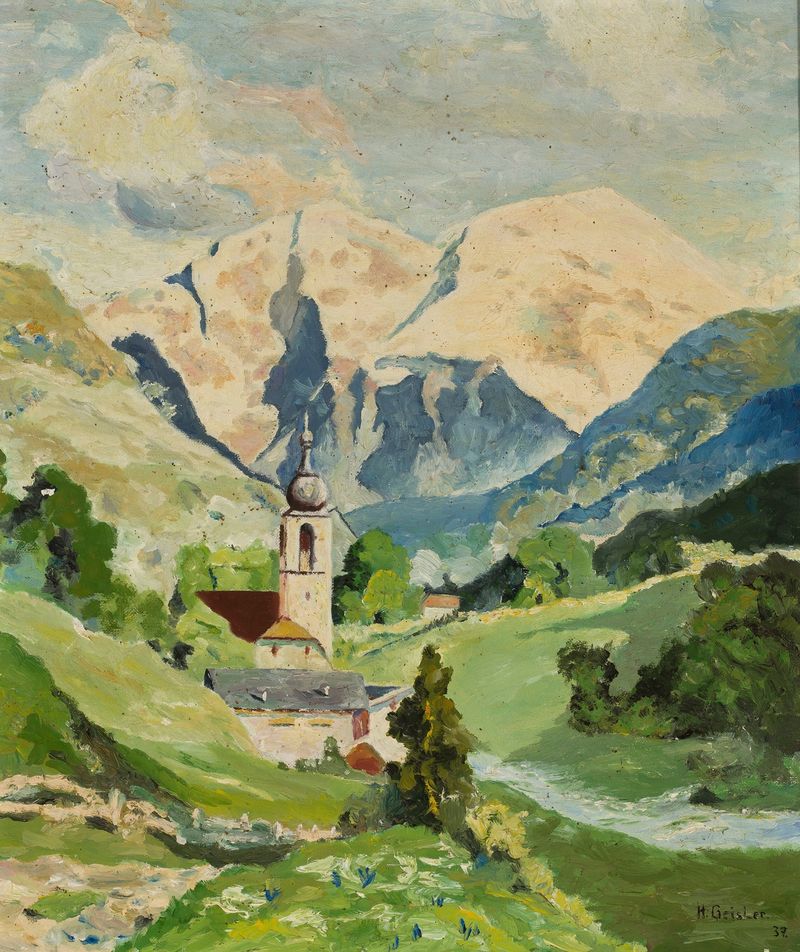
What secret hides in the quiet of the canvas? The stillness of nature, coupled with the solemnity of a church, invites profound contemplation on the destiny of all who seek solace within its walls. Look to the left at the towering peaks, their jagged lines etched against a soft blue sky. The mountains cradle the scene, their majestic presence grounding the viewer in the moment. Notice how the light dances upon the church’s steeple, illuminating the architectural details that speak to human aspiration amidst nature's grandeur.
The earthy tones of the landscape contrast with the ethereal quality of the sky, creating a harmonious balance that draws the eye upward — inviting thoughts of faith, solitude, and eternity. Delve deeper into the details, and you’ll discover hidden stories within the interplay of shadow and light. The church stands as a beacon, suggesting the intersection of man’s ambition and divine destiny, while the surrounding hills embody the timelessness of nature, indifferent yet nurturing. This contrast between human endeavor and the eternal landscape hints at the fragility of life’s pursuits, echoing the silent struggle between ambition and acceptance. Christian Gottfried Heinrich Geissler painted this work during an era rich in Romantic sentiment, likely in the mid-19th century, when artists sought to express the sublime beauty of nature.
Living in Germany, he found inspiration in the dramatic contrasts of the landscape and the spiritual quest for meaning, reflecting the broader movement that emphasized the significance of emotional depth and connection to the natural world.