
Mountain landscape with a lake and buildings — History & Facts
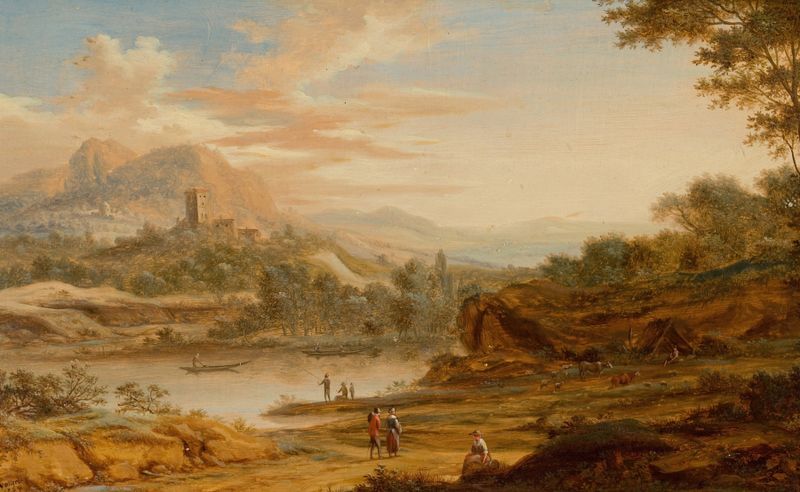
In the quiet embrace of nature, landscapes often conceal secrets, like whispers lost in the breeze. Within this serene setting, betrayal lingers just beneath the surface. Look to the center, where the lake's mirror-like surface reflects the towering mountains, their peaks catching the pale light of dawn. Notice how the gentle strokes of green in the trees contrast with the cool blues of the water, while the buildings nestled at the water's edge seem almost fragile in their quiet existence.
The composition invites your gaze to linger on the interplay of harmony between the natural and the human, framed by a delicate balance of color and shadow. Yet, amidst this idyllic panorama, emotional tensions emerge. The stillness of the landscape belies an underlying sense of isolation; the buildings, seemingly safe, appear abandoned, suggesting a narrative of loss or betrayal. The vibrant colors, while enchanting, may also evoke a sense of nostalgia, hinting at stories untold and connections severed.
Each brushstroke holds the weight of unspoken thoughts, urging the viewer to question what lies beneath the beauty. In 1764, Johann Christian Vollerdt painted this work amidst a burgeoning interest in landscape painting that celebrated nature's majesty. Living in Germany during a time of artistic transition, he navigated the influences of both the Baroque and emerging Romantic ideals. The world was shifting, and his exploration of pastoral scenes captured the fragile connection between humanity and nature during a period of profound change.
More Artworks by Johann Christian Vollerdt
Browse all →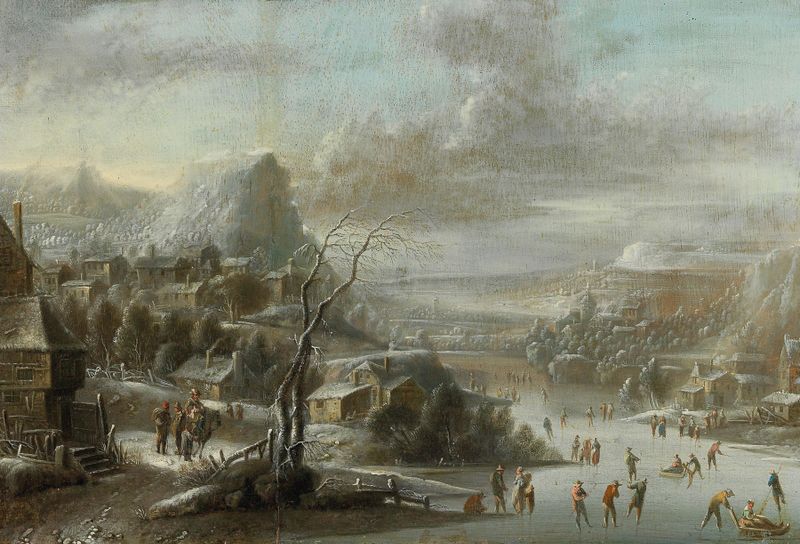
A winter landscape with skaters on a frozen river
Johann Christian Vollerdt
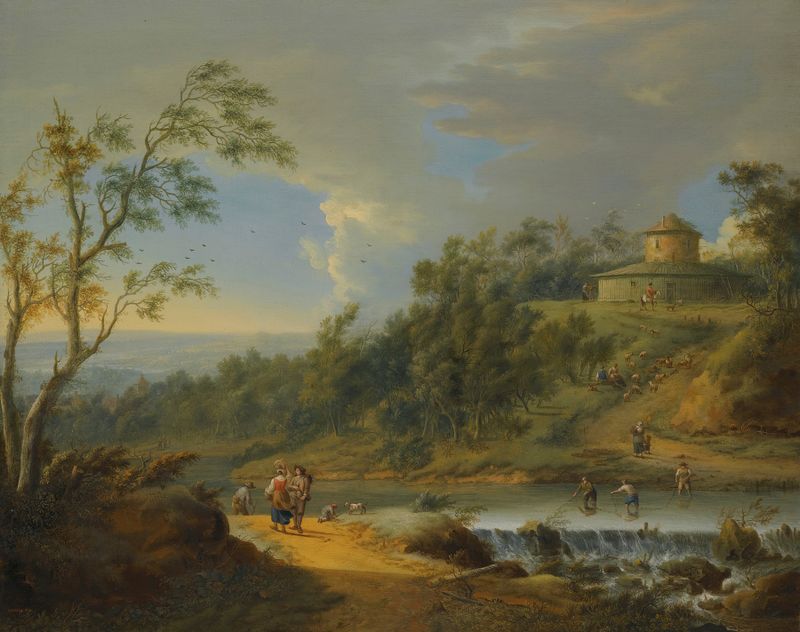
A River Landscape With Fishermen Dredging A Weir
Johann Christian Vollerdt

A River Landscape With Figures On The Bank And Sheep Grazing
Johann Christian Vollerdt
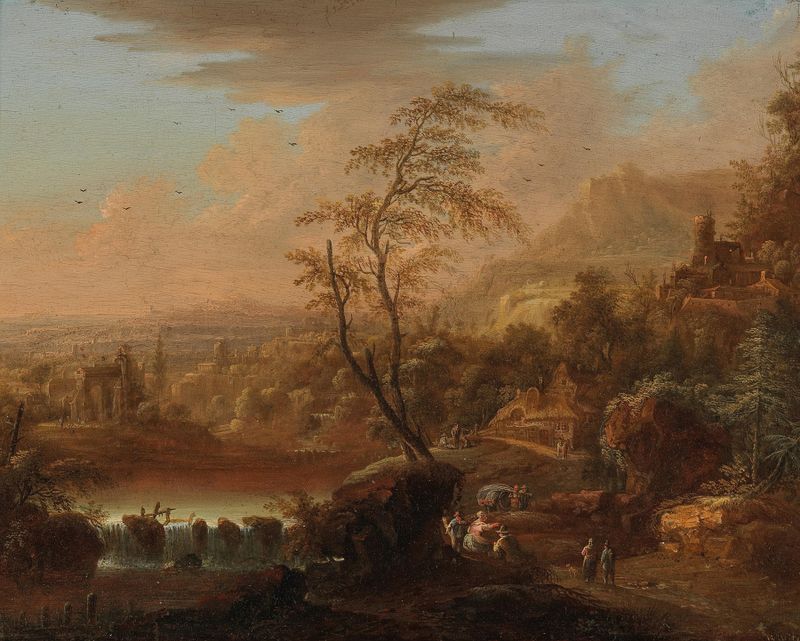
A mountain landscape with travellers
Johann Christian Vollerdt
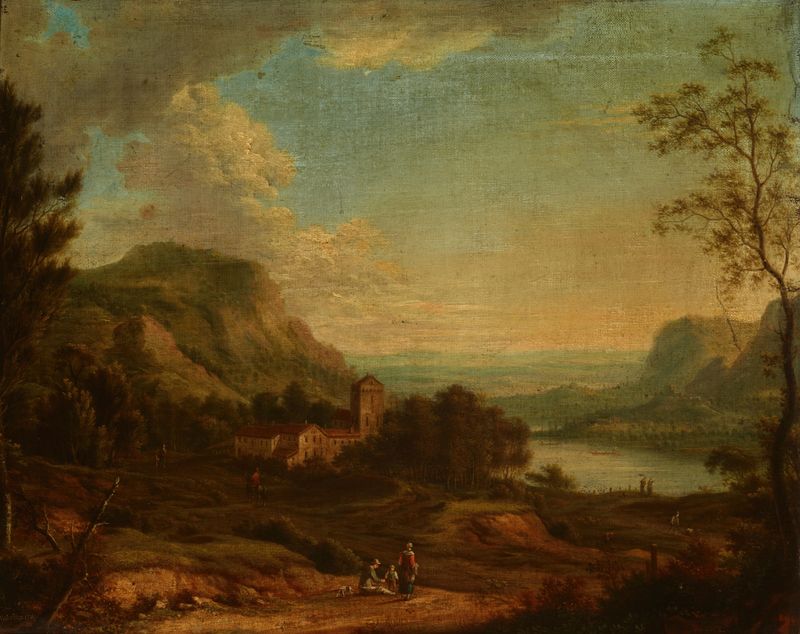
Landscape with a Genre Scene
Johann Christian Vollerdt
View in Italy
Johann Christian Vollerdt
The Water Reservoirs, the so-called Bends, in Belgrade Forest
Johann Christian Vollerdt





