
Mountains — History & Facts
In Mountains, that agony of yearning is palpable, lurking behind the serene facade of nature’s grandeur. The landscape invites the viewer to ascend, yet it subtly reveals the depths of desire, suggesting that the heights we seek often come at a cost. Look to the center of the canvas where the peaks rise majestically, their jagged edges painted with energetic strokes of white and blue. Notice how the sunlight bathes their summits, casting a warm golden hue that contrasts sharply with the cool shadows below.
The composition cleverly balances the rugged terrain against the tranquil skies, leading the eye upward in a quest for transcendence and fulfillment. Here, color and technique intertwine, evoking both majesty and melancholy. Delve into the textures of the mountains, where each brushstroke seems to whisper of struggle and aspiration. The interplay of light and shadow creates a visual tension; the brilliance of the sunlit peaks contrasts with the dark valleys below, symbolizing the dual nature of desire itself—its beauty and its inherent pain.
This complex relationship urges the viewer to consider what lies beneath the surface, prompting reflection on personal aspirations and the sacrifices often required to reach them. In 1911, Ernst Schiess was immersed in the modernist movement, a period marked by rapid change and experimentation in art. Painting Mountains during this time, he sought to capture the raw power of nature while grappling with his own artistic identity. The world around him was evolving, as artists explored new forms and ideas, and he was keenly aware of the shifting tides of perception and expression in art.
More Artworks by Ernst Schiess
Browse all →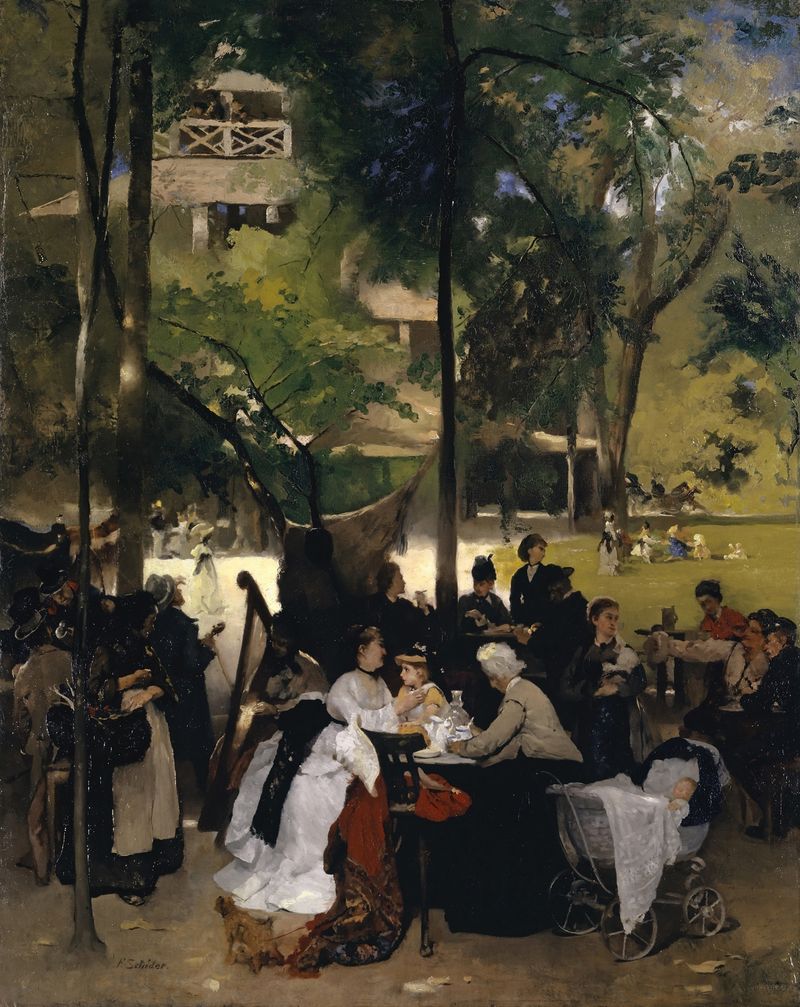
The Chinese Tower in the English Garden in Munich
Ernst Schiess

Evening Walk Above a Southern Lake
Ernst Schiess
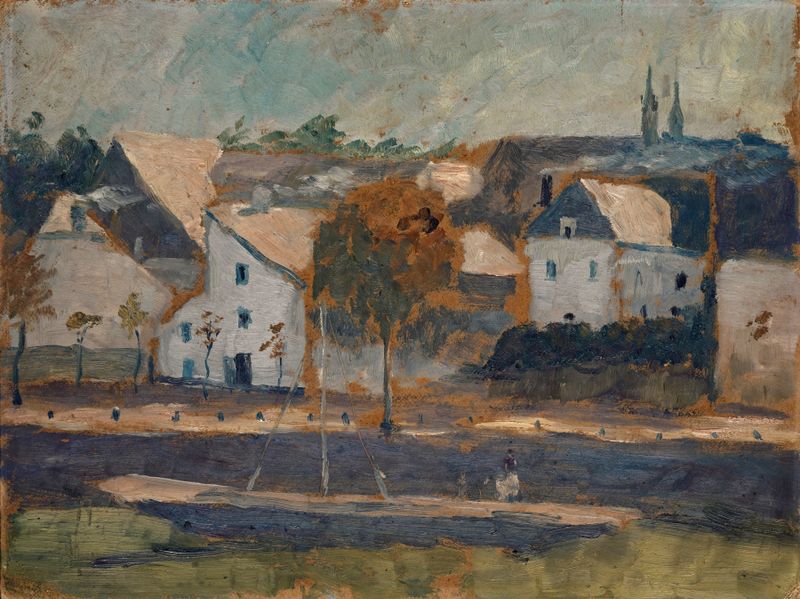
Kleine Stadt an Kanal
Ernst Schiess
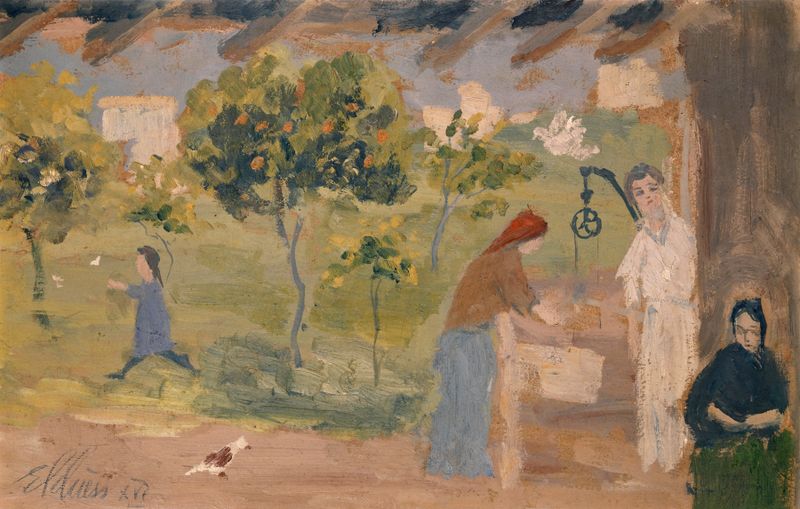
At the Fountain
Ernst Schiess

At the Harbour of Palma de Mallorca
Ernst Schiess
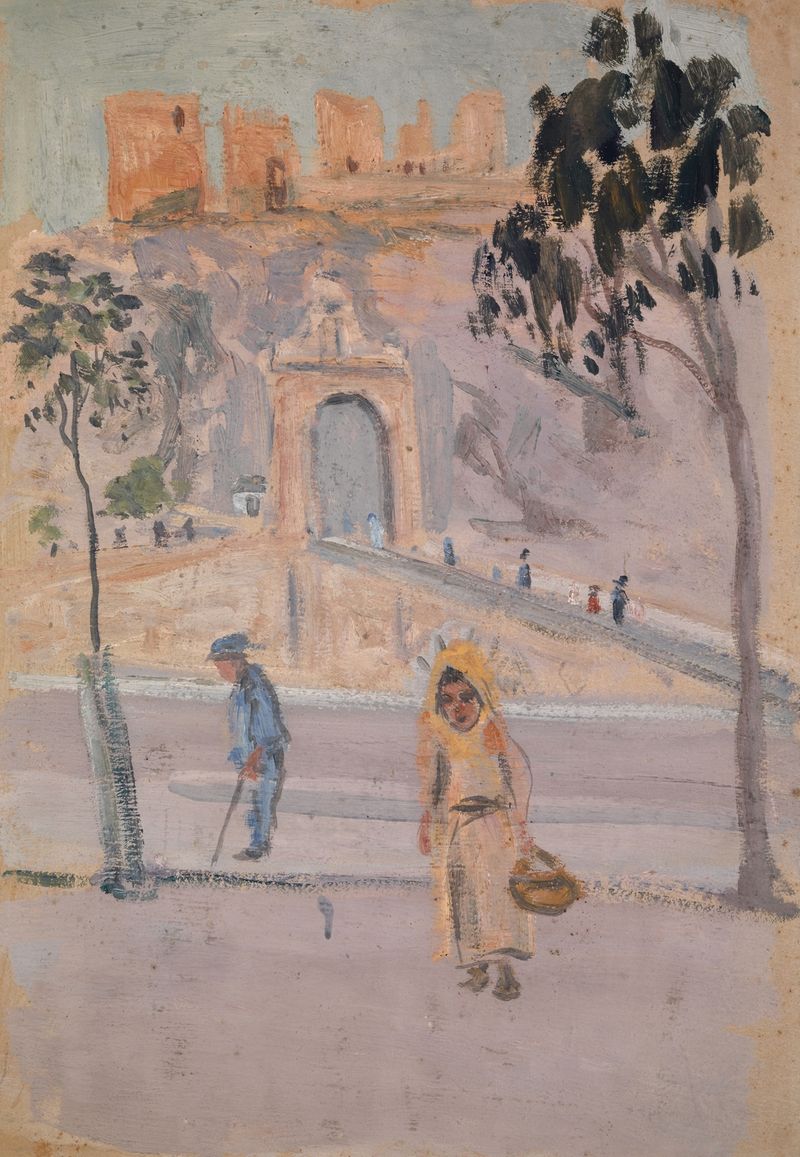
Alcantarabridge and Castillo de San Servando at Toledo
Ernst Schiess
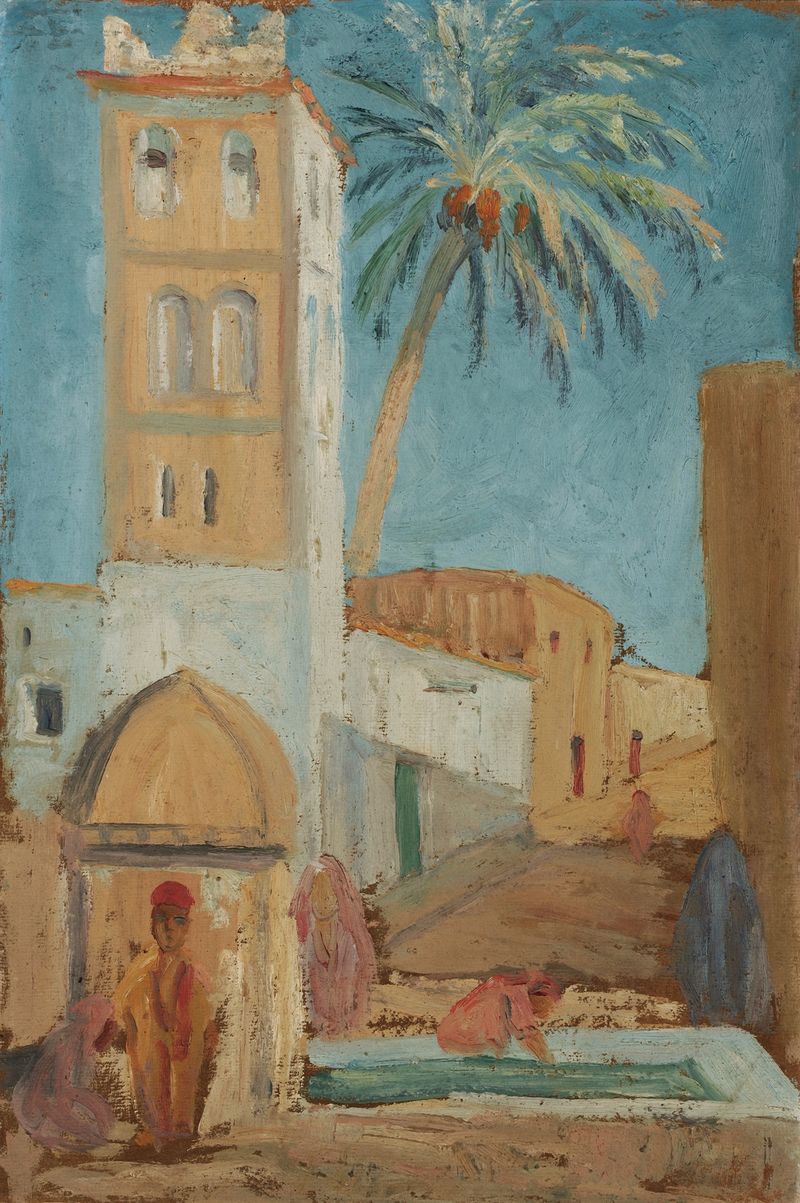
Scene at a Fountain in a Moroccan Place
Ernst Schiess
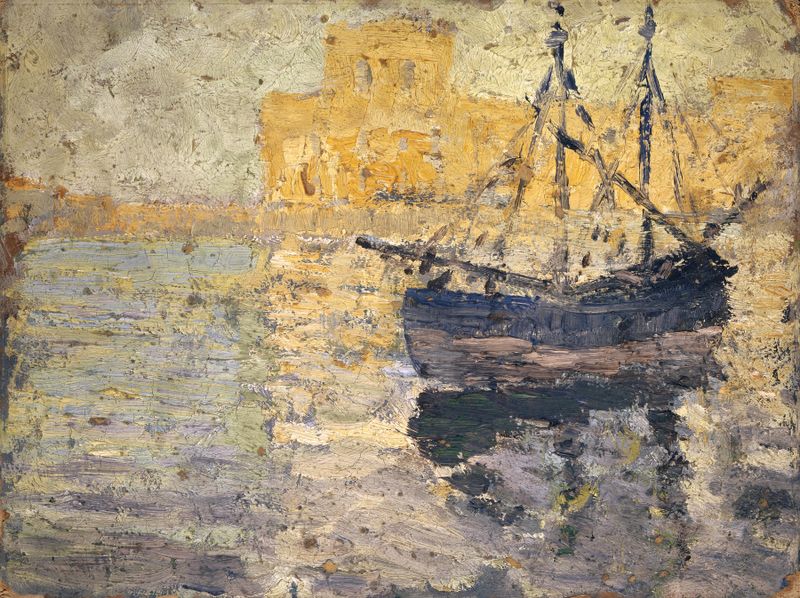
Harbour with Sailing Boat
Ernst Schiess
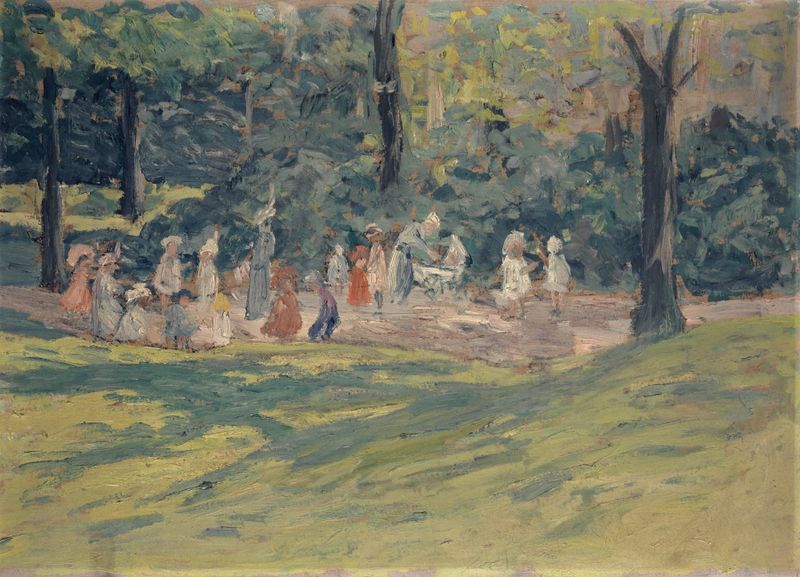
Children Playing in a Public Park
Ernst Schiess

Mohammedanischer Friedhof
Ernst Schiess





