
Movement No. 1 — History & Facts
What first seizes the eye in Movement No. 1 is the sensation of energy caught in mid-flight, as if the canvas itself were vibrating with an invisible force. Deep cobalt blues slice across the surface, interrupted by arcs and wedges of smoky gray, their edges blurred as though in motion.
These forms seem to pivot around a hidden axis, pulling the viewer’s gaze inwards, then flinging it outward along their sweeping curves. There is no up or down here—only a restless circling, as if the painting were capturing the pulse of something just out of reach. The palette is cool, but the movement is anything but still. Created in 1911, Movement No.
1 belongs to a moment when artists across Europe and America were searching for ways to paint not the world as it appeared, but the world as it felt—dynamic, fractured, and alive with unseen rhythms. Arthur Dove, working in this spirit, was among the first American artists to push into pure abstraction, distilling nature and sensation into forms that resist easy naming. The work’s title hints at music, at the idea of painting as an orchestration of forces rather than a window onto a scene.
History has kept few traces of the painting’s early life or its journey to the present, but its restless forms invite us to linger, searching for the pulse that animates its surface.
More Artworks by Arthur Dove
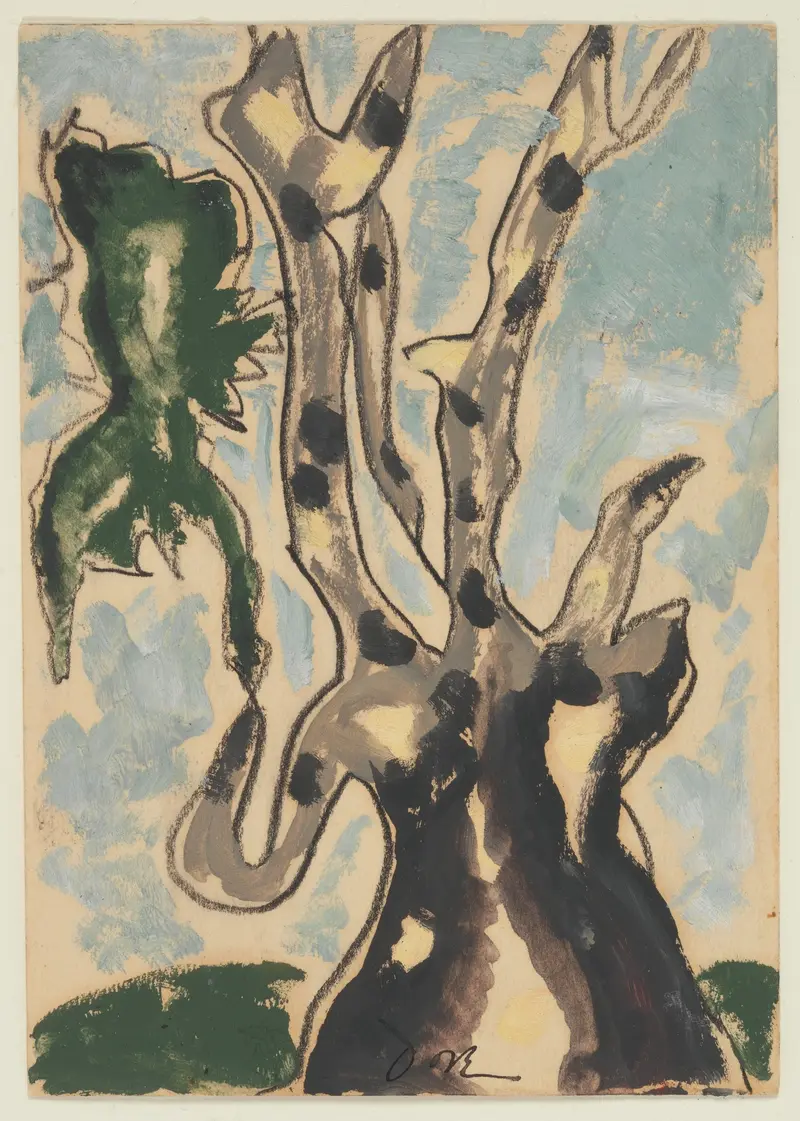
Sycamore
Arthur Dove

Out the Window
Arthur Dove
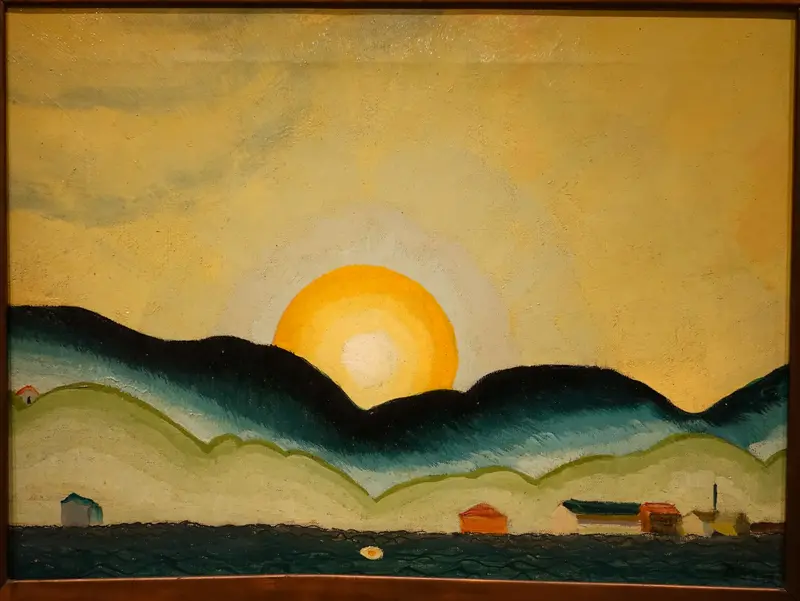
Northport Harbor
Arthur Dove

George Gershwin–‘Rhapsody in Blue,’ Part I
Arthur Dove
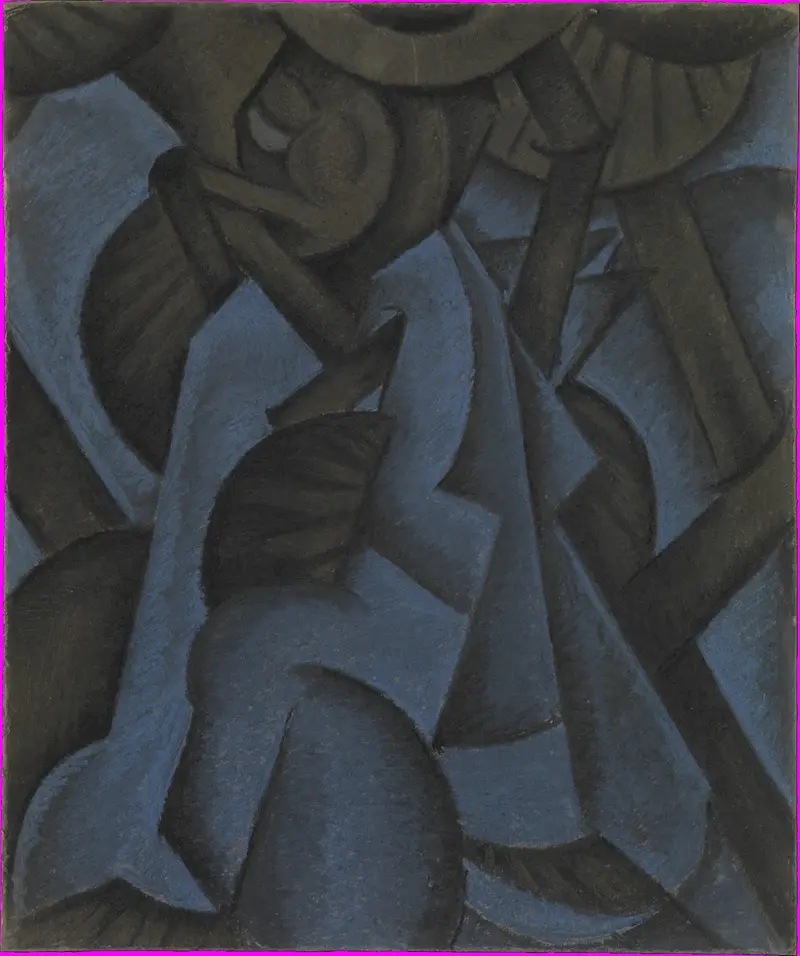
Pagan Philosophy
Arthur Dove
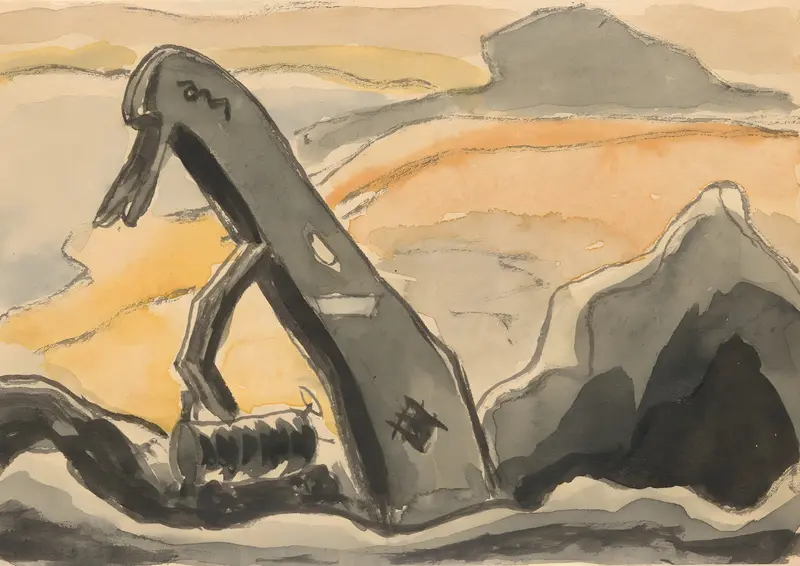
Steam Shovel–Port Washington
Arthur Dove
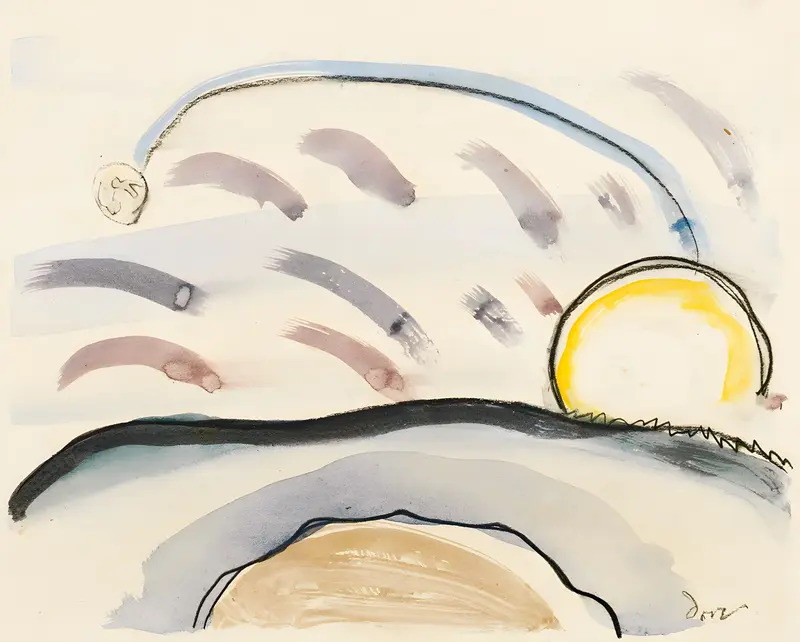
Study for ‘Sun and Moon’
Arthur Dove
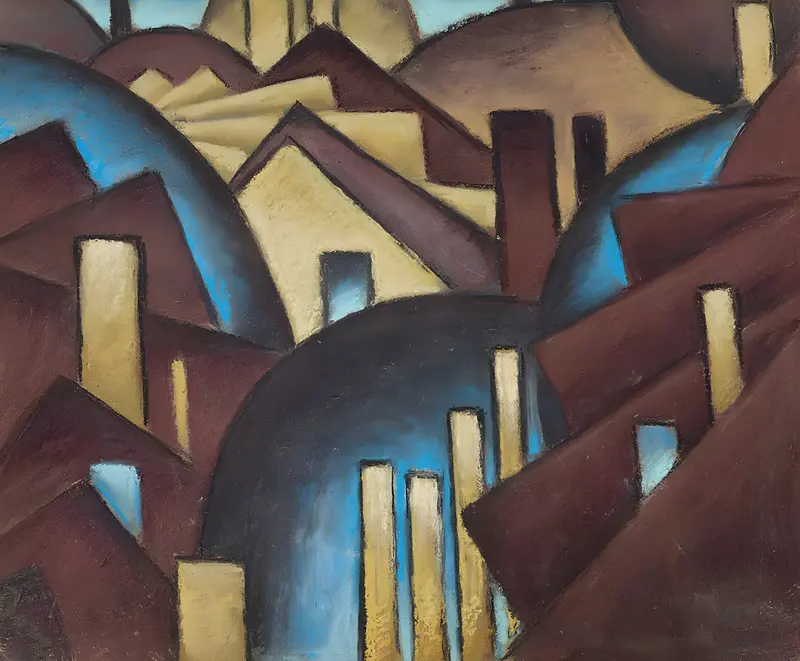
Nature Symbolized No. 1 (Roofs)
Arthur Dove
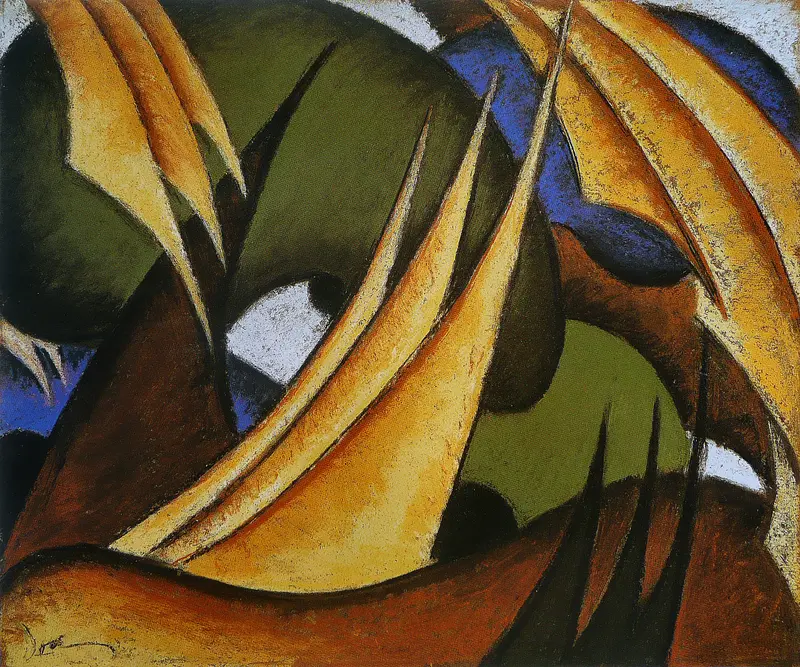
Sails
Arthur Dove
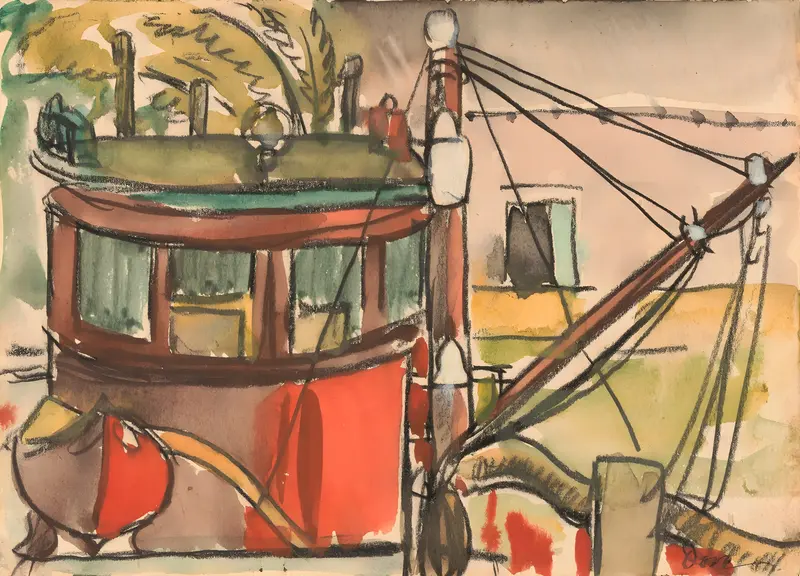
Oil Tanker II
Arthur Dove





