
Mozes en Aäron — History & Facts
In the quietude of a moment captured on canvas, longing intertwines with the sacred narrative of two iconic figures, transcending time and space. Look to the center of the composition, where the figures of Moses and Aaron stand in stark contrast—a potent blend of authority and vulnerability. Beham's meticulous detailing draws your eye first to the expressive gestures of their hands, as if conveying unspoken words. The rich palette of earthy tones infuses the scene with a solemn warmth, while chiaroscuro plays across their robes, enhancing the depth and drama of the figures as they engage in prayer or contemplation. Hidden within the folds of their garments lie threads of connection and conflict: Moses, embodying divine command, faces the burden of leadership, while Aaron, the priestly figure, emanates a sense of support and longing for approval.
The space between them is dense with unvoiced emotions—a tug-of-war between duty and desire, faith and doubt—where human frailty meets divine purpose. In 1526, Beham painted this work during a time of religious upheaval in Europe, amidst the winds of the Reformation. His style, rooted in the Northern Renaissance, reflected both the intricate detail of earlier traditions and a burgeoning interest in humanism that sought to depict not just the sacred but the profound depths of human experience.
More Artworks by Hans Sebald Beham
Browse all →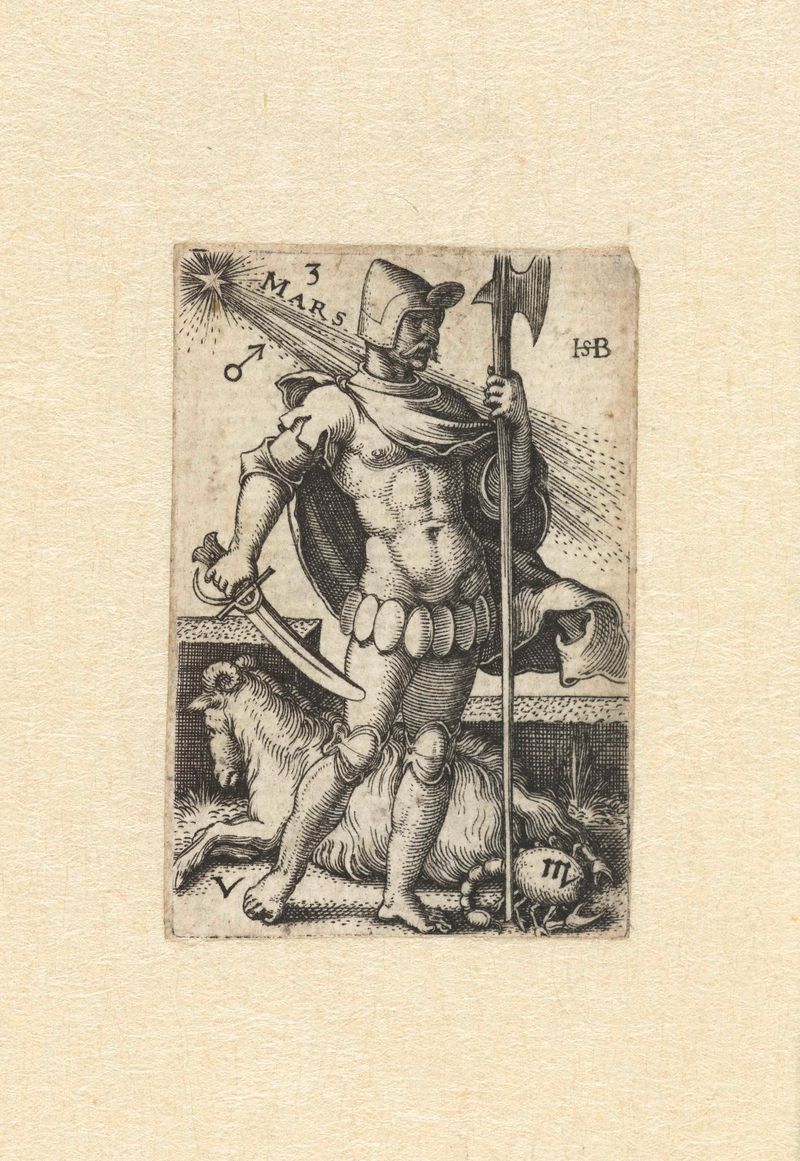
Mars met sterrenbeelden Ram en Schorpioen
Hans Sebald Beham

Achilles in gevecht met Hector
Hans Sebald Beham
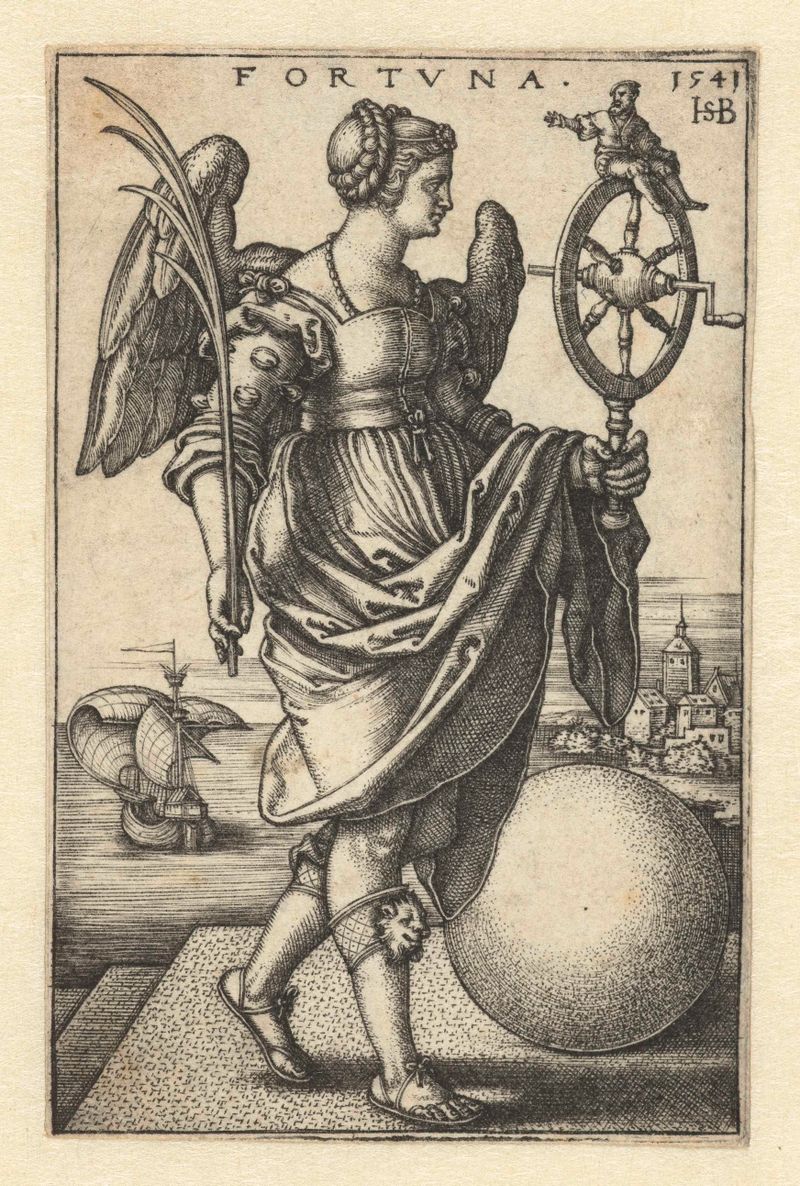
Fortuna
Hans Sebald Beham

Hercules worstelt met Antaeus
Hans Sebald Beham

Twee muzikanten met schalmey en doedelzak
Hans Sebald Beham

Voorzichtigheid (Prudentia)
Hans Sebald Beham

Hercules in gevecht met de Trojanen
Hans Sebald Beham
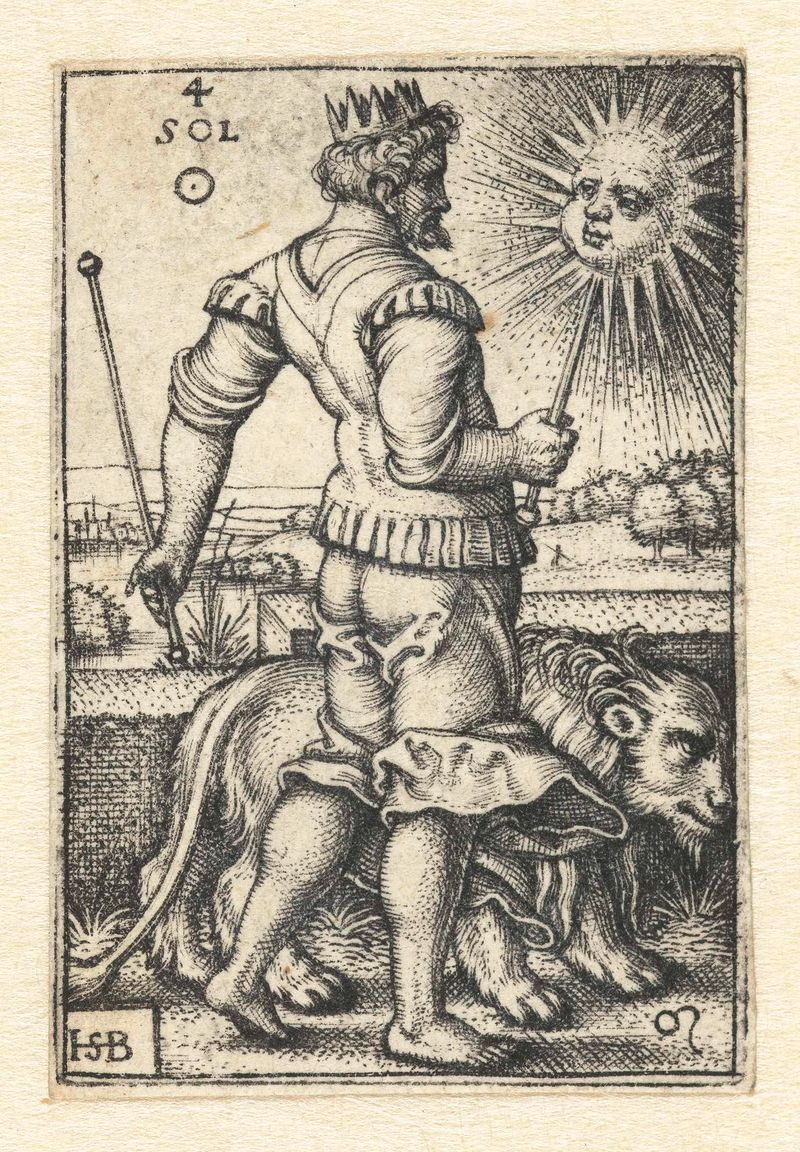
Apollo (Sol) met sterrenbeeld Leeuw
Hans Sebald Beham
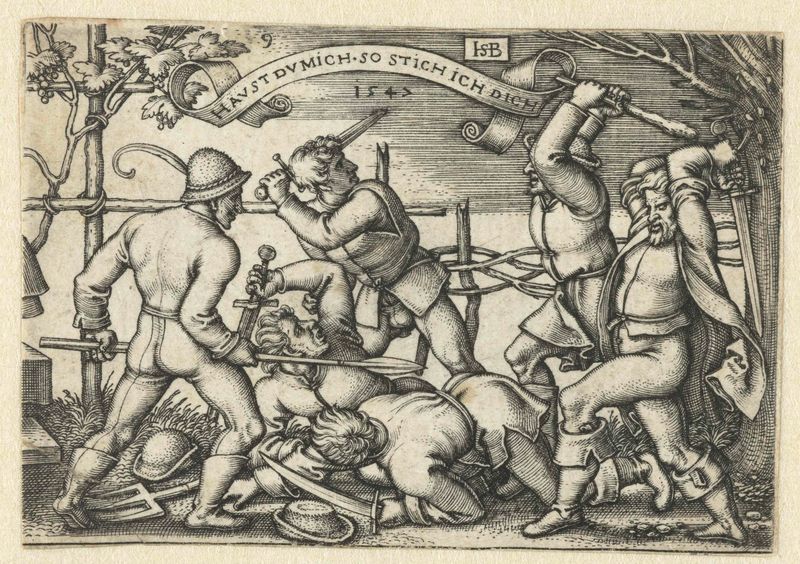
Vechtende boeren met zwaarden
Hans Sebald Beham
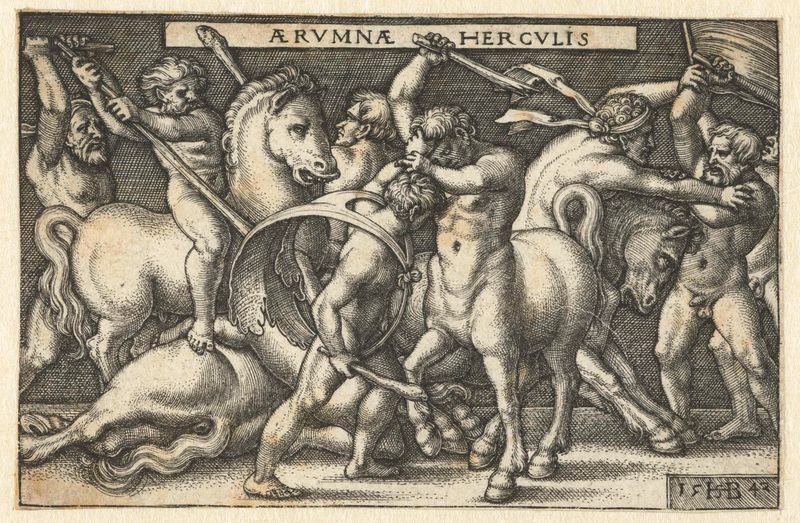
Hercules in gevecht met centaurs
Hans Sebald Beham
More Religious Art
Browse all →
The Return of the Prodigal Son
Rembrandt van Rijn

The Garden of Earthly Delights
El Bosco

Count Orgaz’ funeral
El Greco

The Hundred Guilder Print: the central piece with Christ preaching, the plate arched
Rembrandt van Rijn

The Descent from the Cross
Rogier van der Weyden

The return of the prodigal son
Rembrandt van Rijn