
Mozes en Aäron — History & Facts
In a time when shadows linger behind the grandeur of history, the heart of melancholy emerges in brushstrokes, embodying a poignant dialogue between faith and humanity. Look to the center of the work, where two figures, their postures imbued with a heavy grace, seem caught in an eternal moment. Notice how the chiaroscuro enhances their expressions, faces illuminated by an unseen light, juxtaposing the weight of their burdens with the divine purpose they carry. The muted palette of earthy tones and the subtle play of light and shadow invite viewers to linger, evoking a sense of solemn reverence. In this piece, the tension between divine calling and human frailty unfolds through the details.
The furrowed brow of one figure reflects an inner struggle, while the other gazes outward, embodying hope tempered by sorrow. Their connection speaks of shared burden; it suggests that faith is both a guiding star and a source of profound isolation. The intricate lines and textures of their robes symbolize the intricate weaving of destiny, echoing the complexities of spiritual leadership. Painted in 1526 during the Renaissance in Nuremberg, the artist created this work amidst a climate of religious transformation and upheaval.
The Reformation was challenging established doctrines, and Beham, a graphic artist deeply influenced by both the humanist ideals and the tensions of his time, sought to convey the emotional gravitas of biblical figures. His work reflects not only personal expression but also the collective uncertainties of a society on the brink of change.
More Artworks by Hans Sebald Beham
Browse all →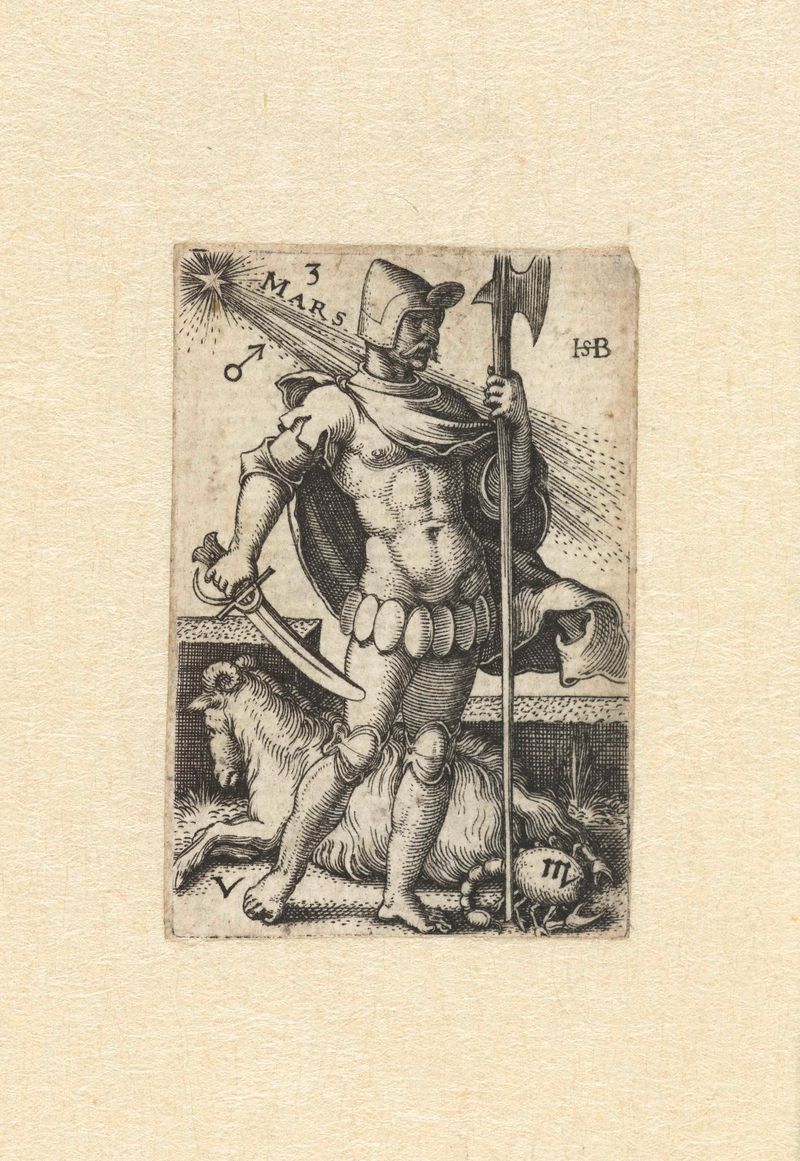
Mars met sterrenbeelden Ram en Schorpioen
Hans Sebald Beham

Achilles in gevecht met Hector
Hans Sebald Beham
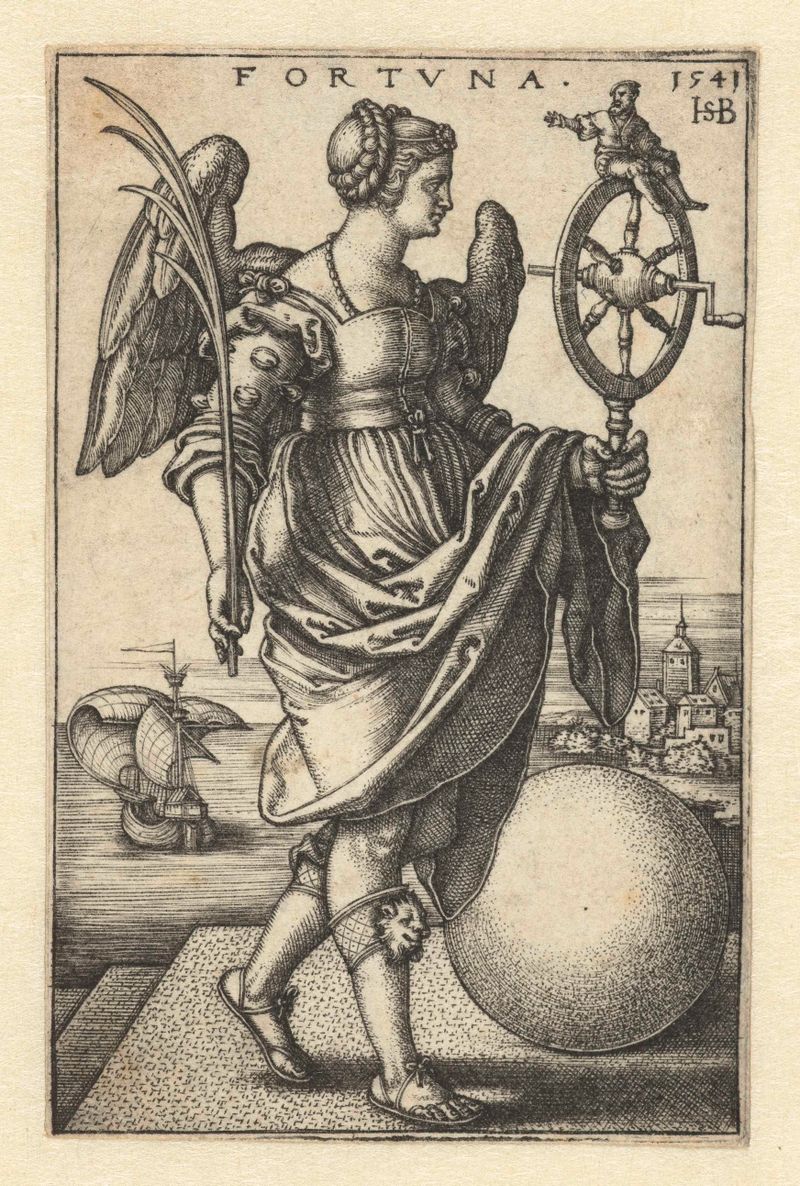
Fortuna
Hans Sebald Beham

Hercules worstelt met Antaeus
Hans Sebald Beham

Twee muzikanten met schalmey en doedelzak
Hans Sebald Beham

Voorzichtigheid (Prudentia)
Hans Sebald Beham

Hercules in gevecht met de Trojanen
Hans Sebald Beham
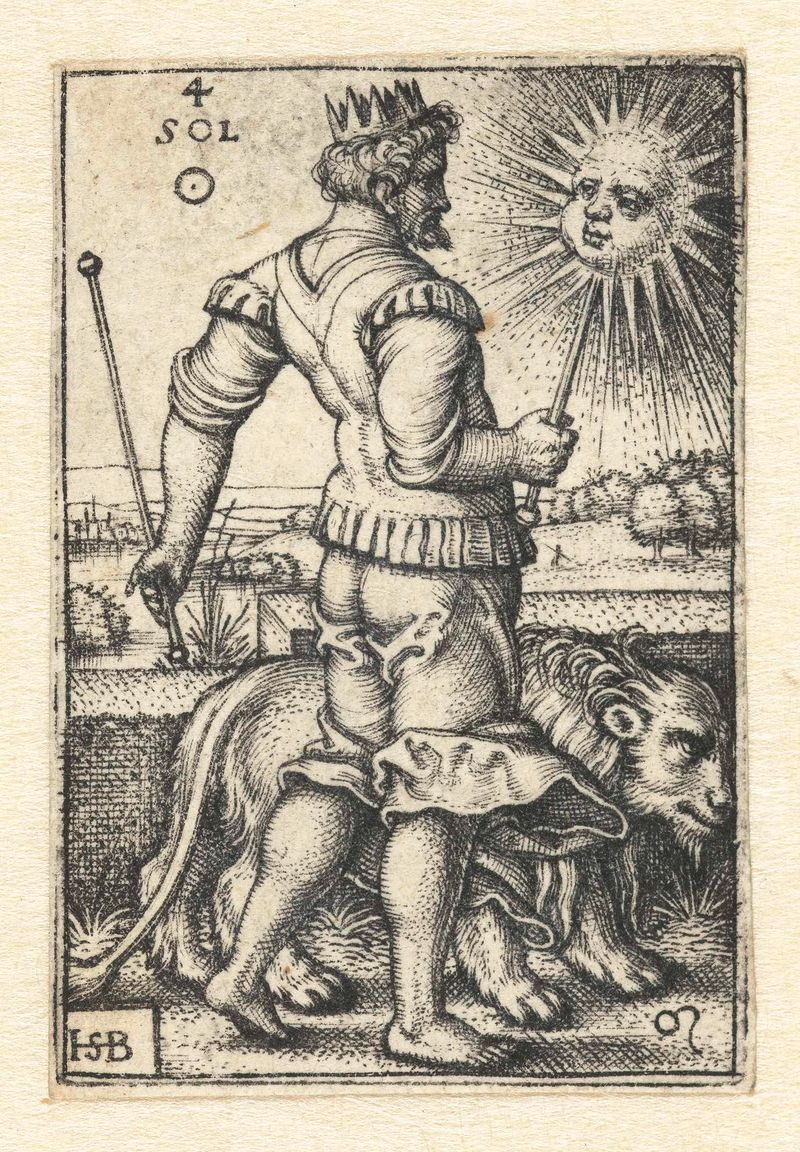
Apollo (Sol) met sterrenbeeld Leeuw
Hans Sebald Beham
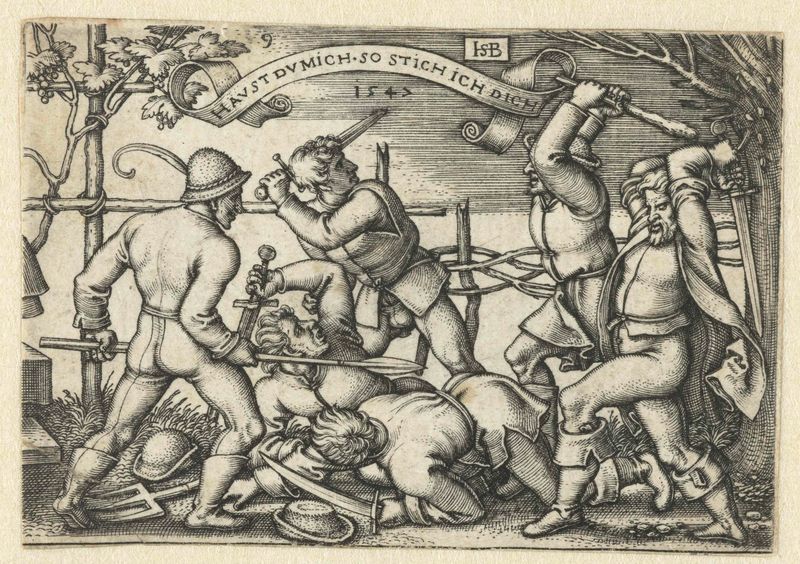
Vechtende boeren met zwaarden
Hans Sebald Beham
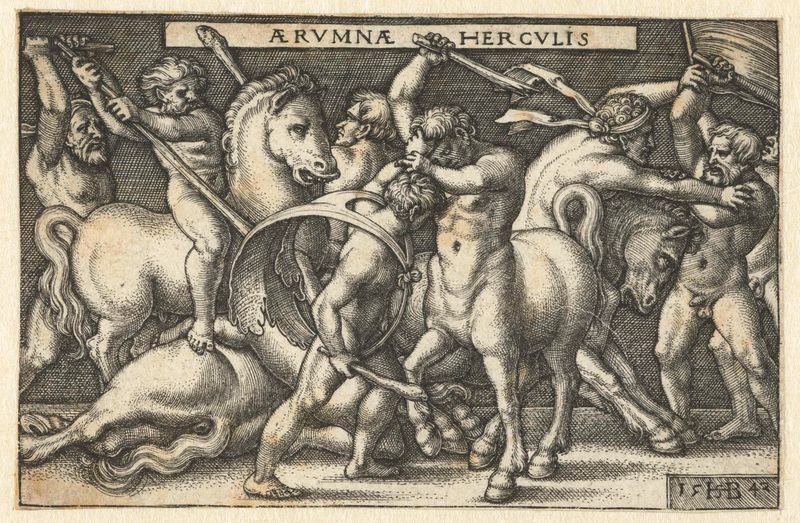
Hercules in gevecht met centaurs
Hans Sebald Beham
More Religious Art
Browse all →
The Return of the Prodigal Son
Rembrandt van Rijn

The Garden of Earthly Delights
El Bosco

Count Orgaz’ funeral
El Greco

The Hundred Guilder Print: the central piece with Christ preaching, the plate arched
Rembrandt van Rijn

The Descent from the Cross
Rogier van der Weyden

The return of the prodigal son
Rembrandt van Rijn