Muts van kloskant met eikeblaadjes — History & Facts
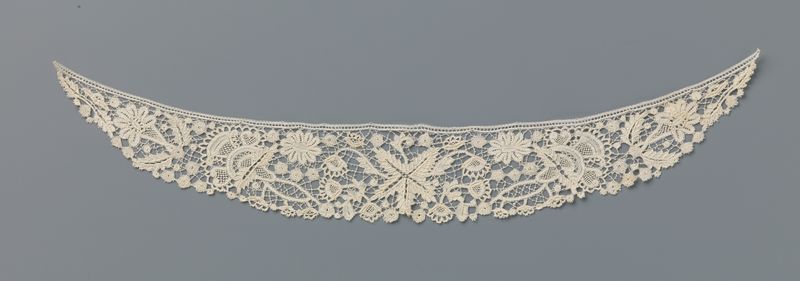
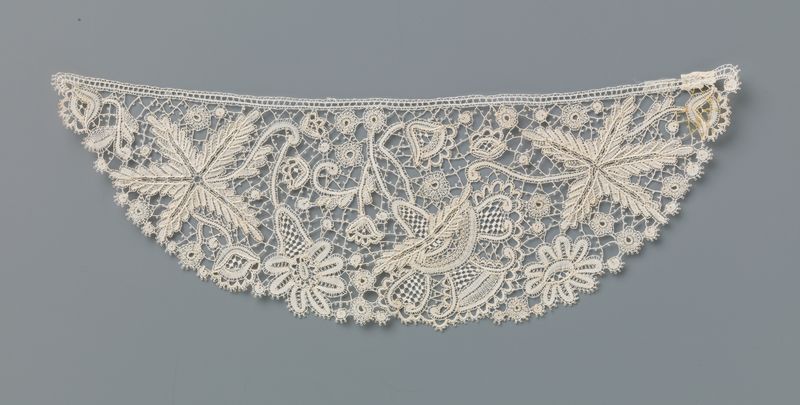
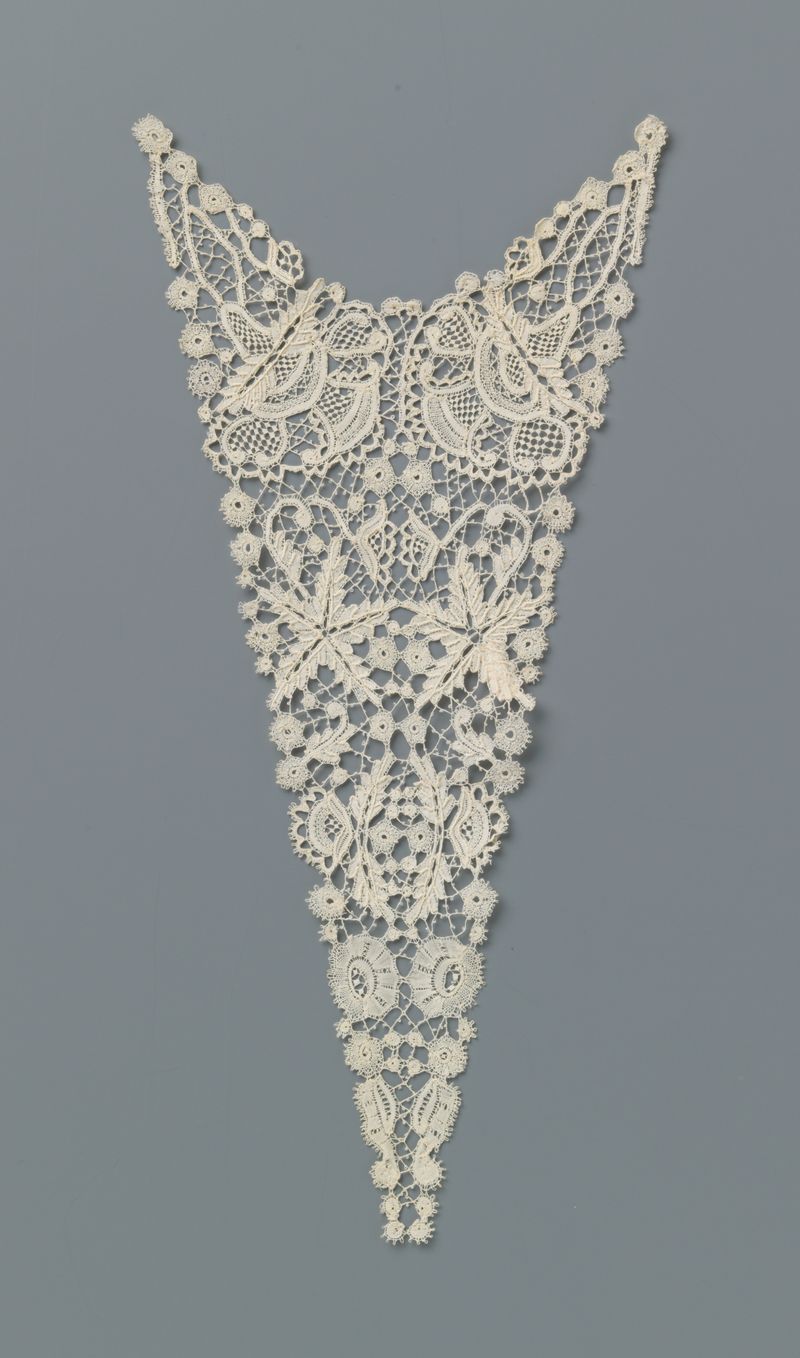
What if silence could speak through light? In a world tangled in whispers of uncertainty, fear often lingers in the shadows, waiting to reveal itself through the delicate intricacies of our surroundings. Focus on the intricate lacework of the piece, where each eikeblaadje unfolds with precision, commanding your attention. Notice how the soft, almost ethereal light bathes the fabric, enhancing its texture and revealing the meticulous craftsmanship. The muted color palette creates a subtle tension, inviting you to explore the intricate patterns while evoking a sense of vulnerability. Beneath the surface, the interplay of light and shadow hints at deeper emotions.
The lace, a symbol of fragility, becomes a metaphor for the fear that accompanies hope, as if the delicate threads might unravel under external pressures. Each leaf motif carries a duality, representing both the beauty of nature and the anxiety of decay. It's a haunting reminder of the transience of life, where even the most beautiful creations are susceptible to fading away. Martha Berkers painted this work in 1914, during a tumultuous period leading up to World War I.
Living in the Netherlands, she was surrounded by an evolving art scene that valued craftsmanship and detail, particularly in textiles. This moment in history was marked by the tension of impending conflict, influencing her choice to depict the lace as a fragile yet resilient fabric, capturing the essence of fear that permeated society as it approached an uncertain future.