
Na dedine — History & Facts
The illusion of enchantment often masks a deeper decay beneath the surface, and in this artwork, that truth resonates powerfully. Focus first on the intricate detailing, where the vibrant hues invoke a sense of nostalgia intertwined with sorrow. The blend of golds and deep earth tones draws the eye to the foreground, revealing a landscape that feels alive yet haunting. Notice how the brushstrokes create a textural contrast, evoking the decay that lies beneath the apparent beauty of the scene, allowing the viewer to dwell in a paradox of fleeting splendor. As you explore further, consider the interplay between light and shadow.
The bright patches suggest hope, while the darker corners resonate with loss, creating an emotional tension that captures the essence of decay in a seemingly idyllic setting. Each element, from the delicate flowers wilting in their prime to the forgotten structures, reflects the transience of life and beauty, prompting contemplation about what lies beneath the surface. During the early 1920s, Jozef Teodor Mousson was immersed in a post-war world, grappling with the impacts of societal change and personal turmoil. Creating Na dedine in this tumultuous backdrop, he sought to express the fragility of existence through his art.
This period marked a transformation in his style, moving toward more emotive and introspective themes that resonated with the complexities of human experience and the inevitability of decay.
More Artworks by Jozef Teodor Mousson
Browse all →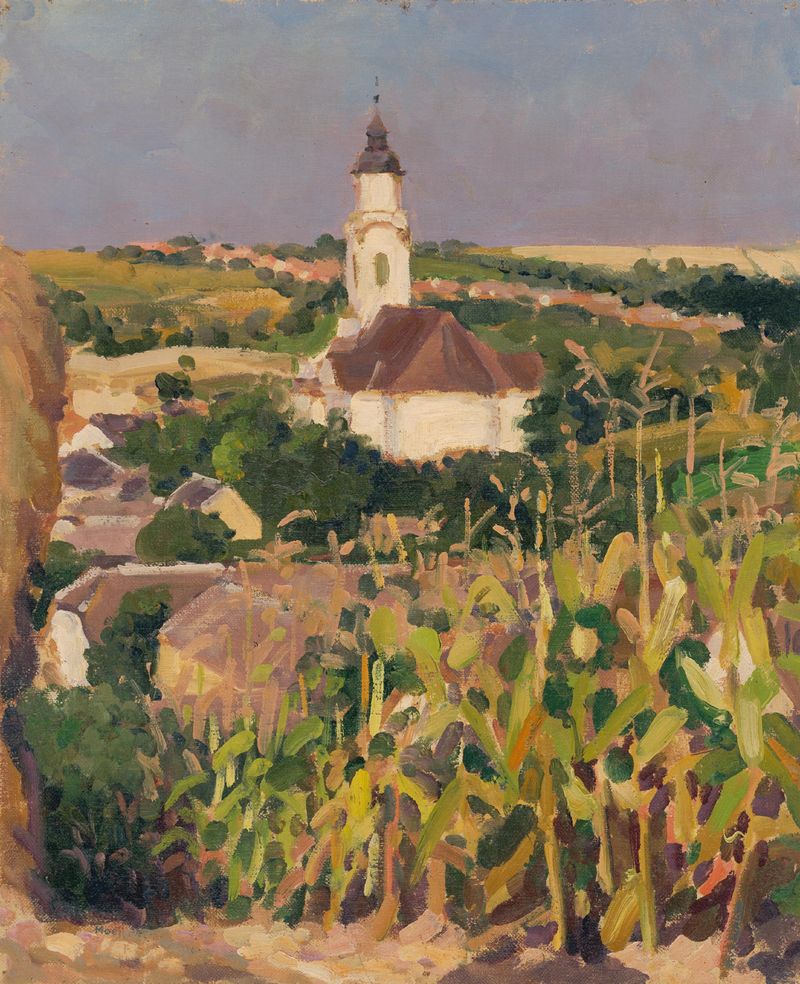
Eastern Slovakia Village
Jozef Teodor Mousson
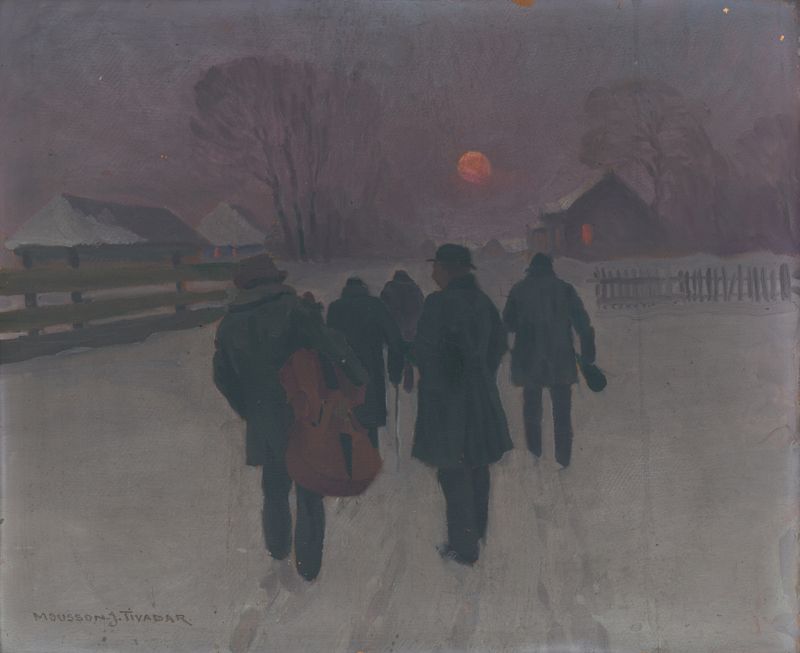
Musicians Returning in the Early Morning through Snowed Landscape
Jozef Teodor Mousson

Na pobreží
Jozef Teodor Mousson

V zime na dedine
Jozef Teodor Mousson

Trh v Michalovciach II.
Jozef Teodor Mousson
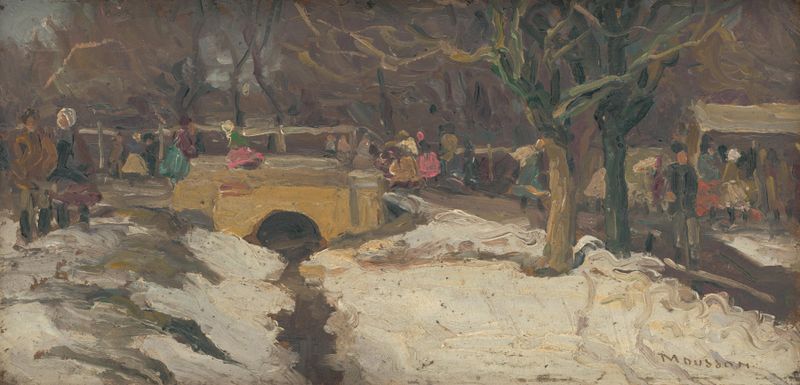
Market
Jozef Teodor Mousson
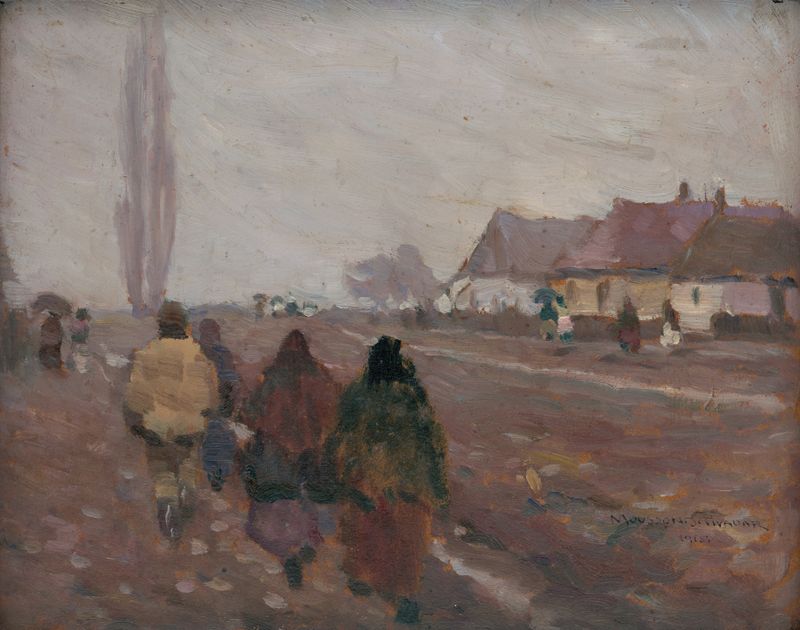
On the Road from the Michalovice Market
Jozef Teodor Mousson

Potato Digging
Jozef Teodor Mousson
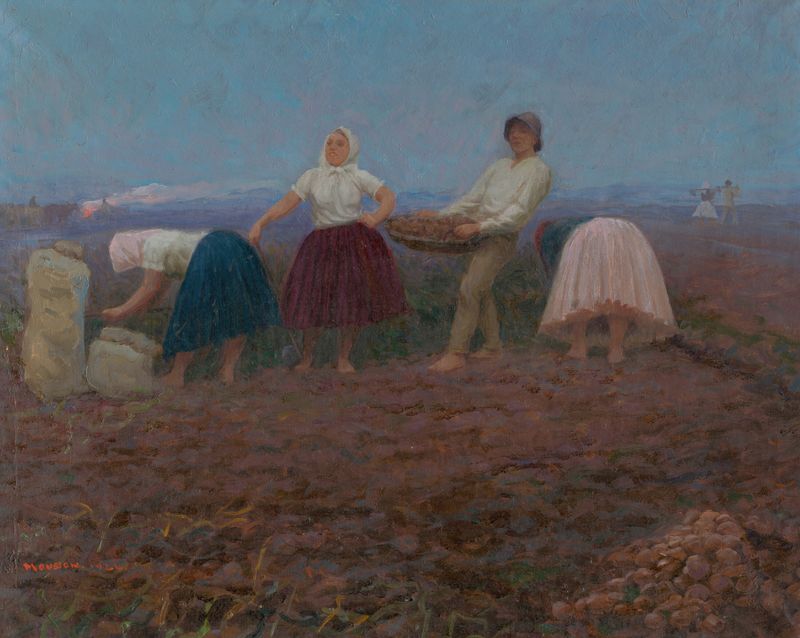
Potato picking
Jozef Teodor Mousson
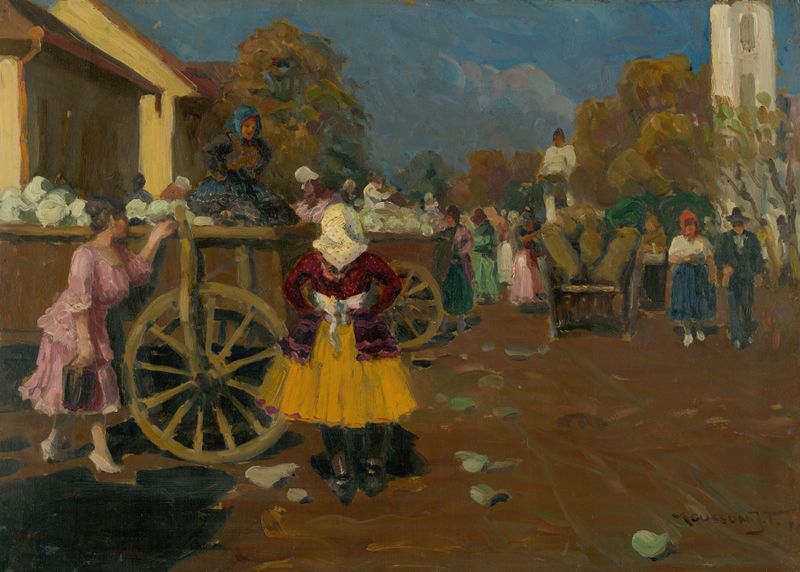
Trh v Michalovciach I.
Jozef Teodor Mousson





