
Naakte man, tot de heupen, driekwart naar rechts — History & Facts
In the muted tones of the past, a striking image emerges — one that speaks to the quiet depths of human isolation. The figure, draped in vulnerability, embodies a solitude that resonates with anyone who has felt the weight of their own existence. Look to the left at the softly rendered contours of the body, where light delicately caresses the skin, revealing the tension between flesh and shadow. Notice how the figure’s gaze is turned slightly away, a gesture of introspection that invites you into their world.
The understated color palette, dominated by earthy browns and muted grays, serves to amplify the somber atmosphere, evoking a sense of timelessness and introspection. The emotional tension in this work lies in the juxtaposition of the unclothed body against the barren background. The subject's vulnerability is palpable, yet there’s a strength in that exposed honesty. Small details, like the gentle curves and the way the light envelops the figure, create an intimate connection, drawing the viewer closer to the complexity of loneliness.
This is not merely a depiction of a nude; it is an exploration of the human spirit, caught in a moment of self-reflection. Created between 1600 and 1699, this piece reflects a period rich in artistic experimentation yet heavily influenced by the confines of societal norms. The artist, whose identity remains shrouded in mystery, was likely part of a vibrant community where such raw expression was both revolutionary and controversial. This artwork not only captures a fleeting moment but encapsulates the universal essence of solitude that transcends time and context.
More Artworks by Unknown Artist
Browse all →
Ridder, Dood en Duivel
Unknown Artist
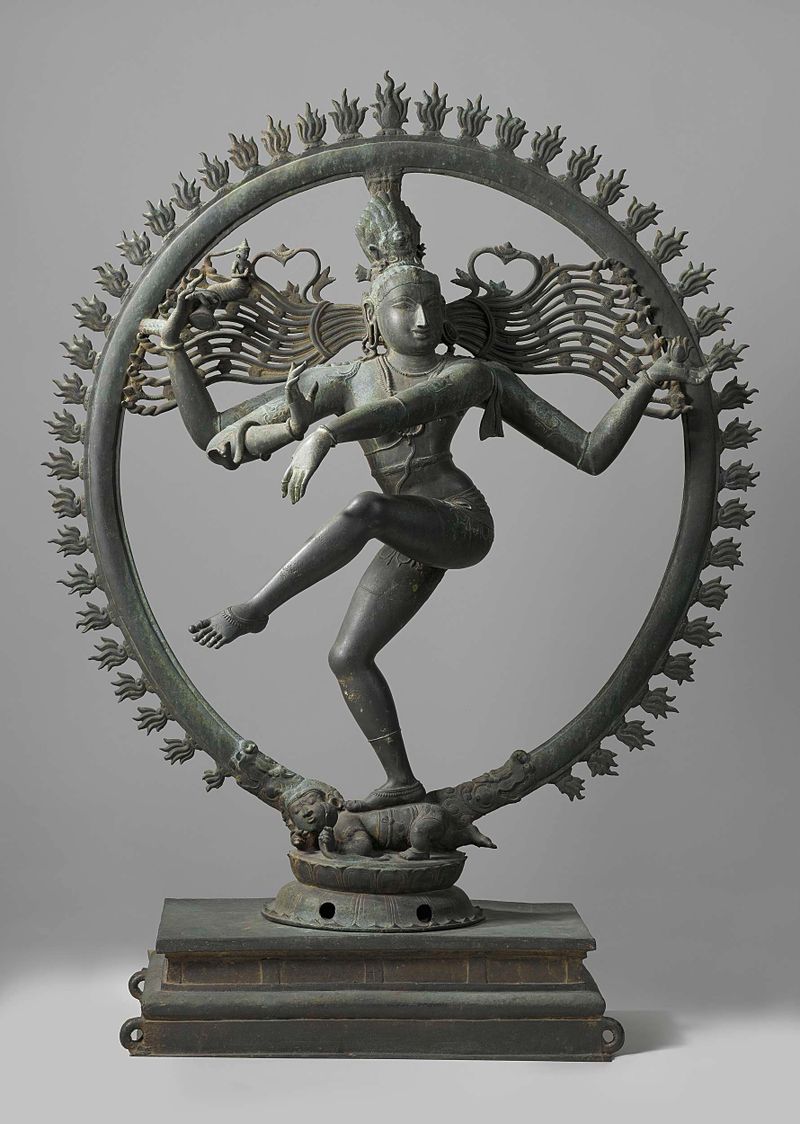
Shiva Nataraja
Unknown Artist
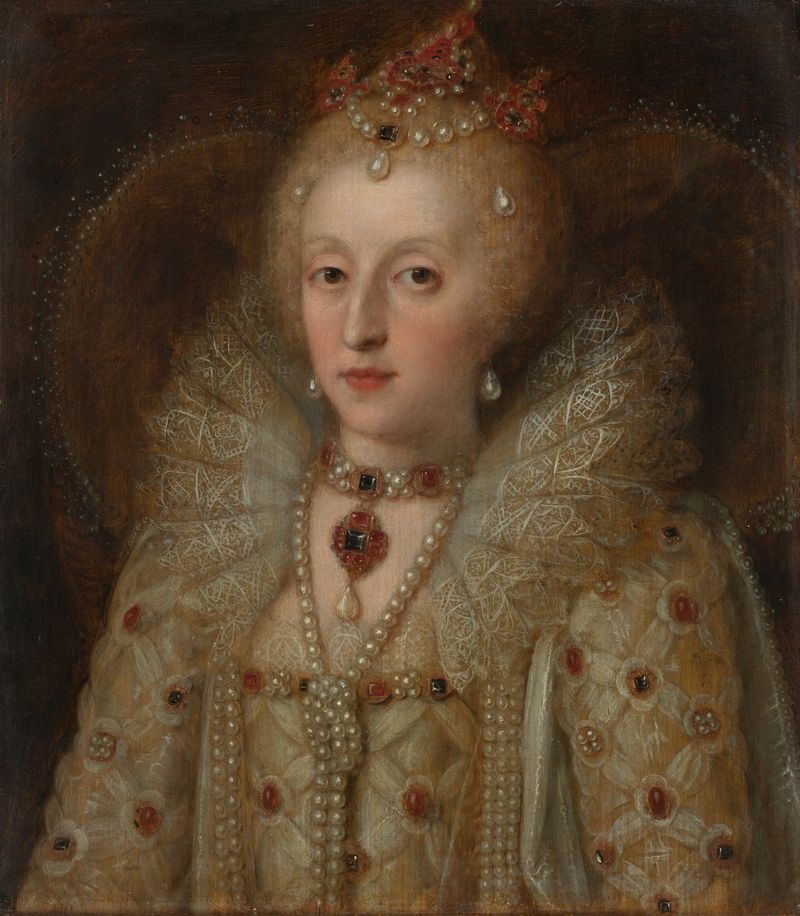
Portrait of Elizabeth I, Queen of England
Unknown Artist
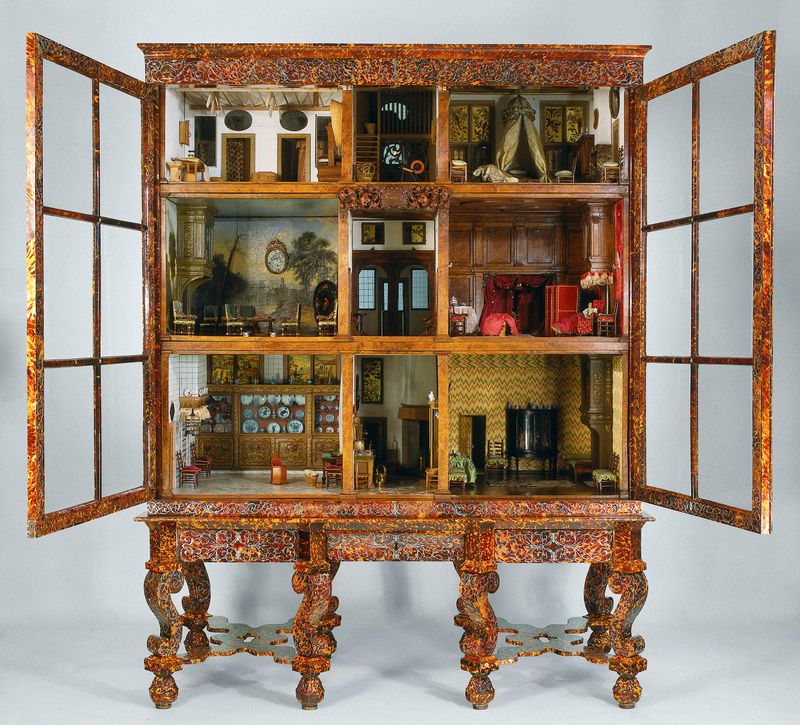
Dolls’ house of Petronella Oortman
Unknown Artist
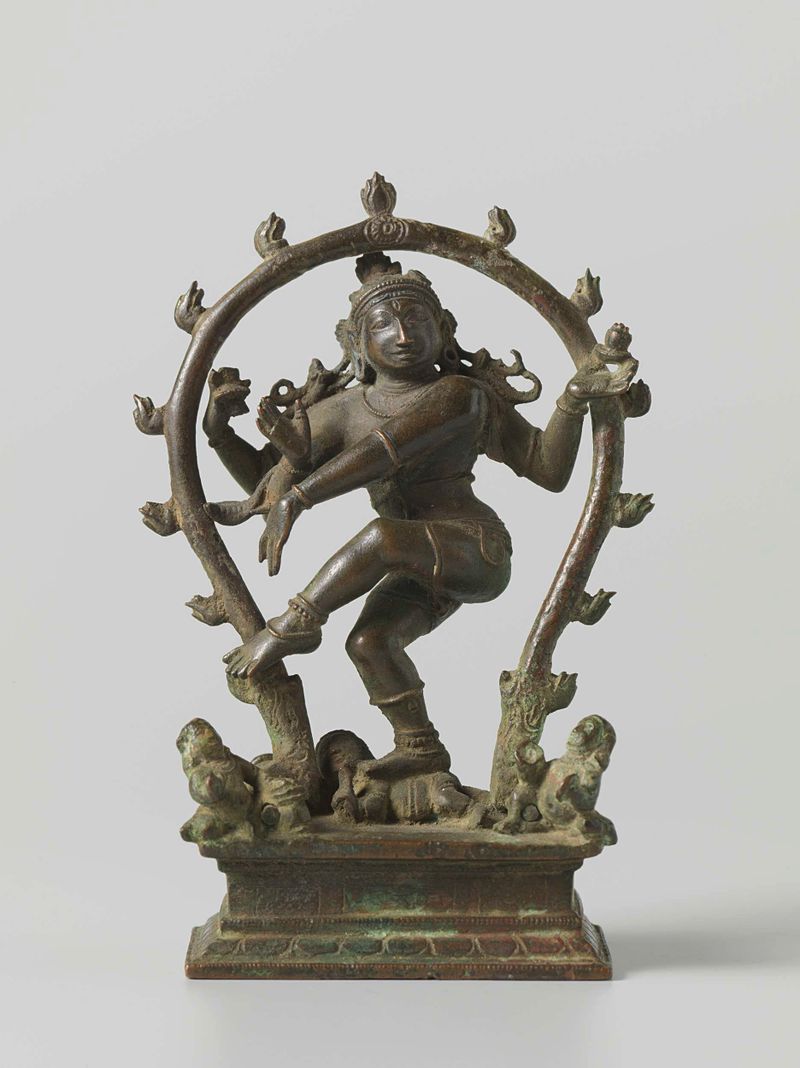
Shiva Nataraja
Unknown Artist

The Tale of Genji
Unknown Artist

The Tale of Genji
Unknown Artist

Cong
Unknown Artist
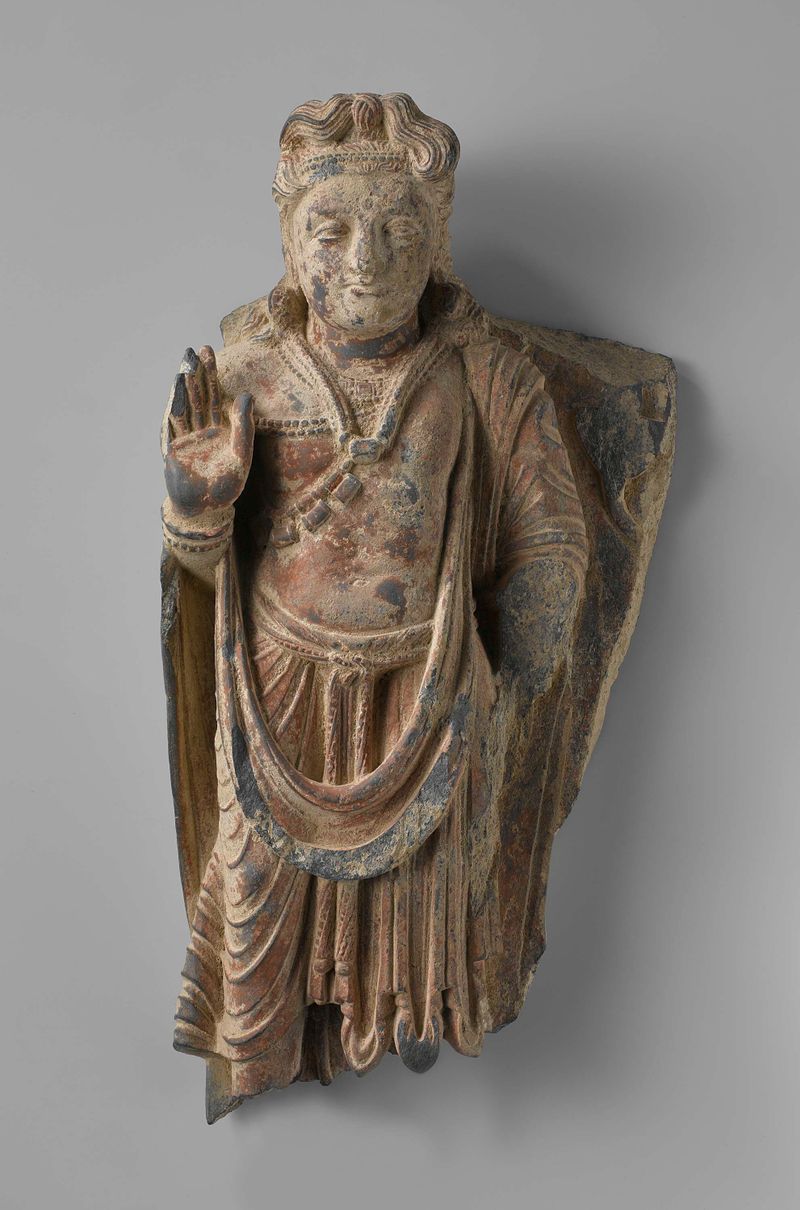
The bodhisattva Maitreya
Unknown Artist

Teabowl with a 'hare's fur' glaze
Unknown Artist





