Nach dem Gewitter (Die Kirche in Manderscheid) — History & Facts
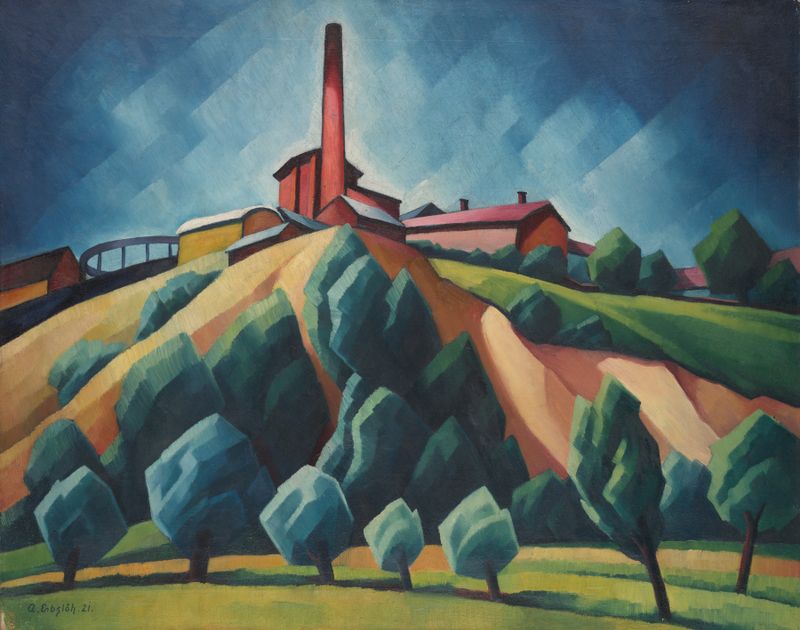
Who listens when art speaks of silence? In the aftermath of a storm, the stillness that envelops the landscape becomes a canvas for destiny’s whispers. Look to the left at the subtle hues of gray swirling with the remains of dark clouds, their texture mimicking the turbulent emotions of nature. Notice how the church stands resilient in the center, its stark white facade illuminated by soft, golden light that filters through the dissipating gloom. The composition draws the eye toward this focal point, where the contrast between the calmness of the architecture and the chaotic sky invites reflection on endurance amidst turmoil.
Each brushstroke conveys a sense of serenity, while the use of muted colors amplifies the weight of the atmosphere. Hidden within this tranquil scene are layers of emotional tension. The church, a symbol of hope and sanctuary, suggests a narrative of survival against the storm's wrath. The surrounding landscape, still soaked and glistening, captures the transient nature of life, hinting at the fragile balance between chaos and peace.
This interplay reveals not only the power of nature but also the profound resilience of humanity, subtly reminding the viewer of their own narrative woven into the greater tapestry of existence. In 1932, Adolf Erbslöh created this piece during a time of great uncertainty in Germany, as the country grappled with economic difficulties and political upheaval. While the art world was evolving, moving towards modernism, Erbslöh remained connected to the landscape genre, capturing the essence of his environment with a unique emotional depth. His work reflects a moment in history where the resilience of spirit was crucial, ultimately forging a bond between the viewer and the painting's silent yet powerful message.