Discover insights about this artwork
Naked man and skull — History & Facts
In Naked Man and Skull, the viewer sees a naked man holding a skull, positioned against a dark background. The colors are muted, with shades of brown and gray dominating the scene. The figure's expression is contemplative, adding to the somber mood of the painting.
The skull, a classic symbol of mortality, contrasts starkly with the flesh of the man. The painting is executed in oil on canvas, a medium that allows for rich textures and depth. The artist uses realistic techniques to depict the human form and the skull with great detail. Light and shadow play a significant role in enhancing the three-dimensionality of the figures.
The overall composition draws the viewer's eye toward the central theme of life and death. Albert Edelfelt was a Finnish painter known for his contributions to Realism. This work, created in the late 19th century, reflects his interest in exploring complex themes such as mortality. Interestingly, Edelfelt often painted portraits and scenes from everyday life, but Naked Man and Skull stands out for its philosophical undertones.
The painting invites viewers to reflect on the transient nature of existence.
More Artworks by Albert Edelfelt

Parisienne
Albert Edelfelt

Parisian lady in a Peignoir
Albert Edelfelt
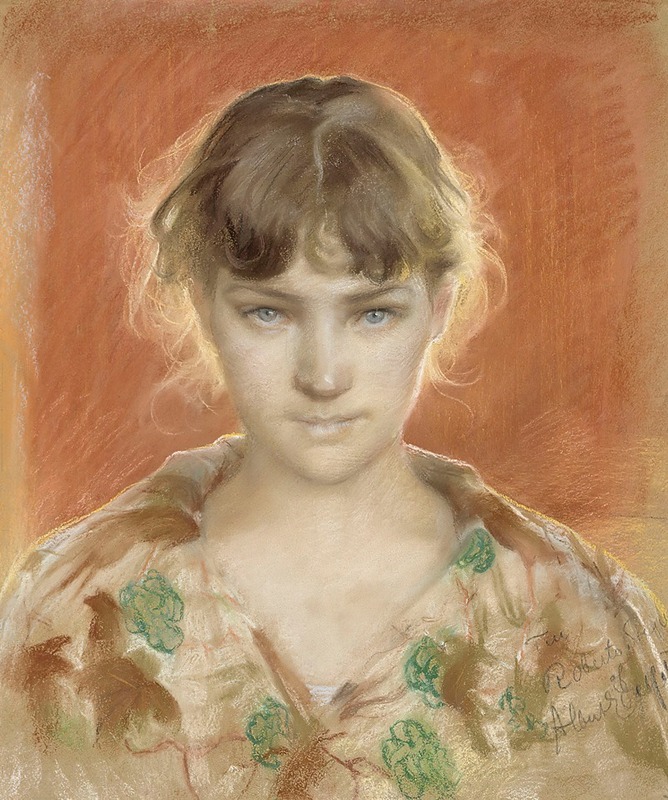
Parisian Model in a Dressing Gown
Albert Edelfelt

Solveig II
Albert Edelfelt
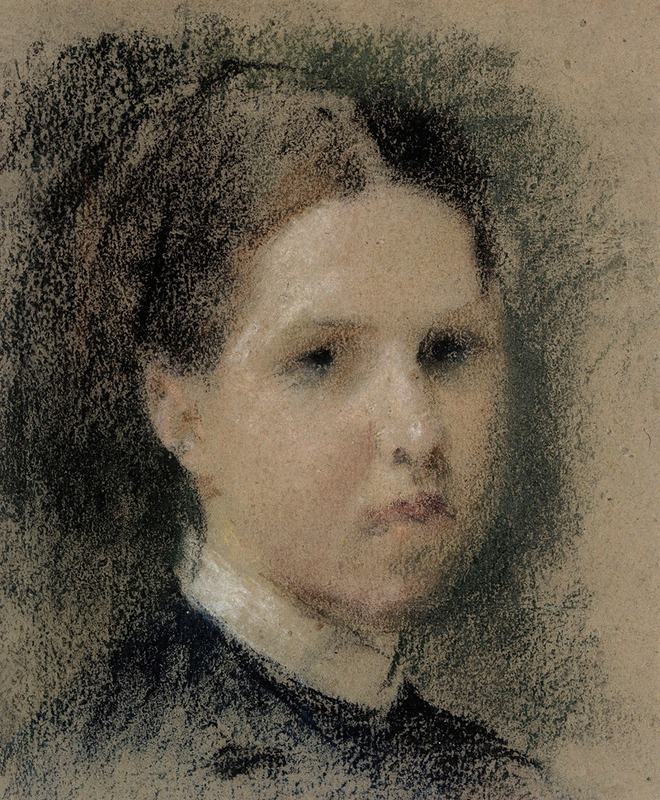
Portrait of Annie Edelfelt
Albert Edelfelt

Portrait of August Streng
Albert Edelfelt
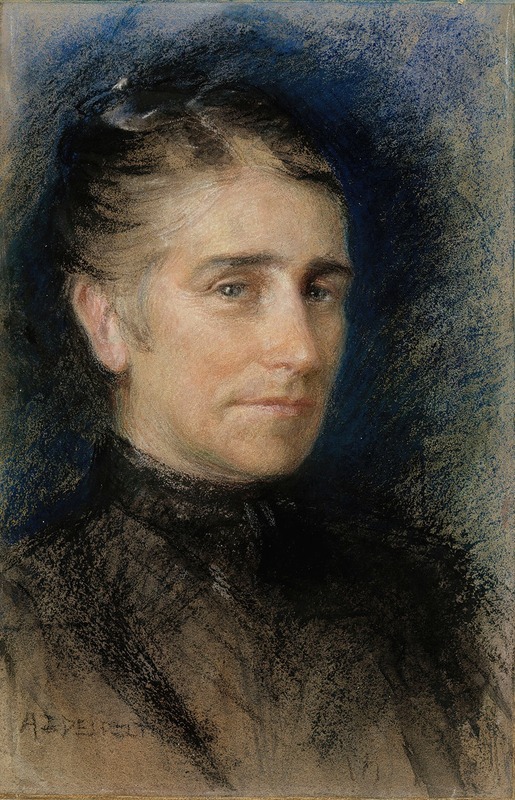
Portrait of Mrs. Emilie Krohn
Albert Edelfelt
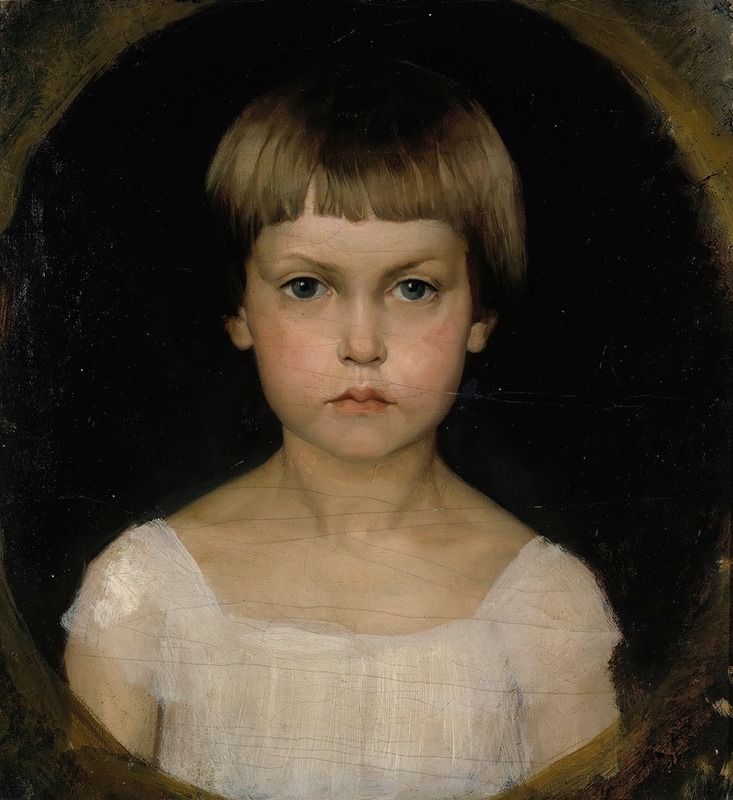
Portrait Of The Artist´s Sister Berta Edelfelt
Albert Edelfelt
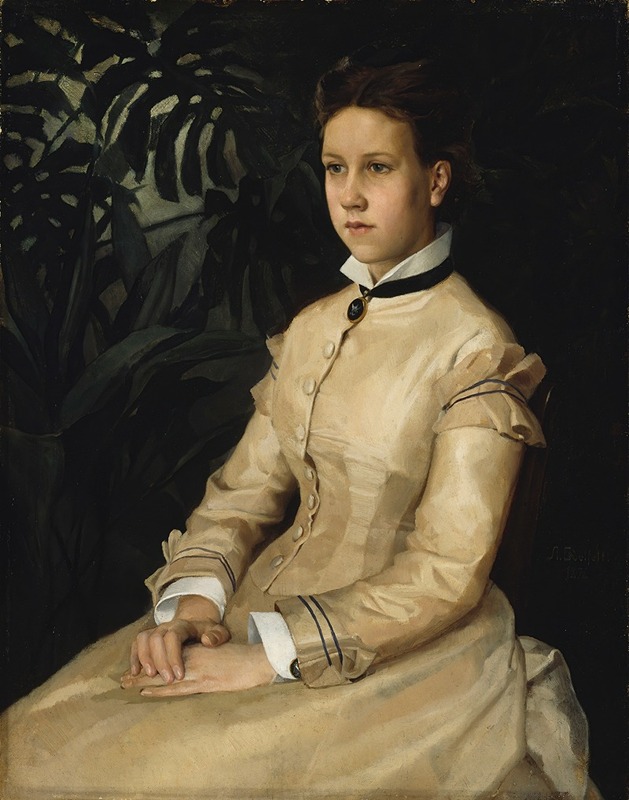
Portrait Of The Artist’s Sister Ellen Edelfelt
Albert Edelfelt
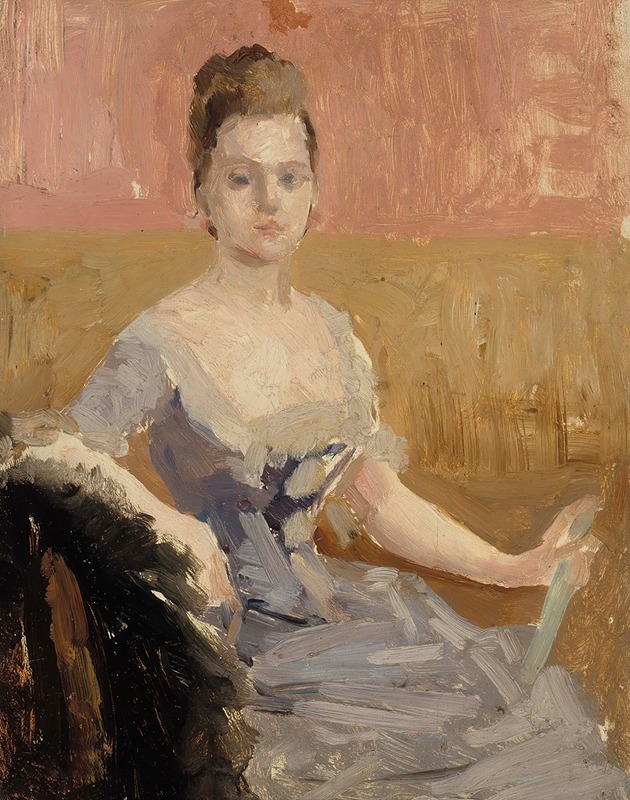
Portrait Study Of Countess Augusta Lewenhaupt
Albert Edelfelt