Discover insights about this artwork
Le Bonheur de vivre, also called The Joy of Life — History & Facts
In Le Bonheur de vivre, Henri Matisse presents a vivid array of colors and figures. The painting features a lush landscape filled with nude figures enjoying nature. Bright greens, blues, and reds dominate the canvas, creating a joyful atmosphere.
The figures are engaged in various activities, conveying a sense of freedom and happiness. This large oil on canvas painting measures approximately 200 x 300 cm. Matisse employs bold colors and fluid lines to create a sense of movement and vitality. The composition is characterized by its harmonious arrangement of forms and colors, typical of Matisse's modernist style.
The work exemplifies the Fauvist movement, emphasizing color over realism. Le Bonheur de vivre was created during a pivotal time in Matisse's career, around 1905-1906. This work reflects his desire to break away from traditional representation and embrace a more expressive use of color. Interestingly, it was initially met with criticism but later became one of his most celebrated pieces.
Matisse's innovative approach to color and form has had a lasting impact on modern art.
More Artworks by Henri Matisse
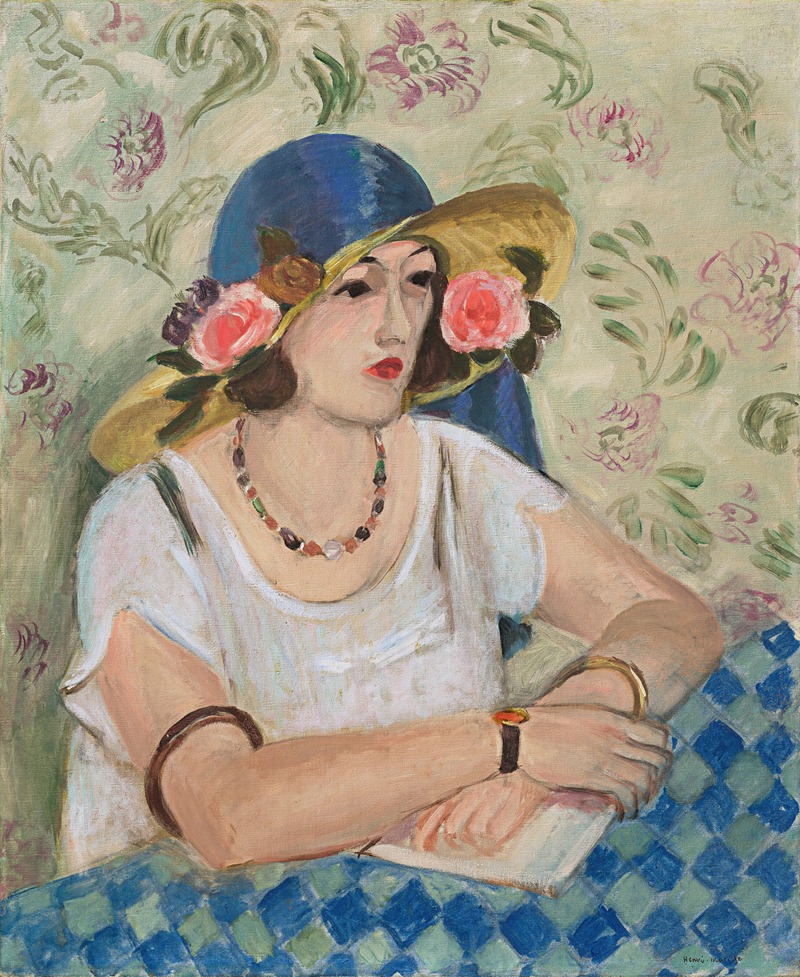
Femme au chapeau fleuri
Henri Matisse
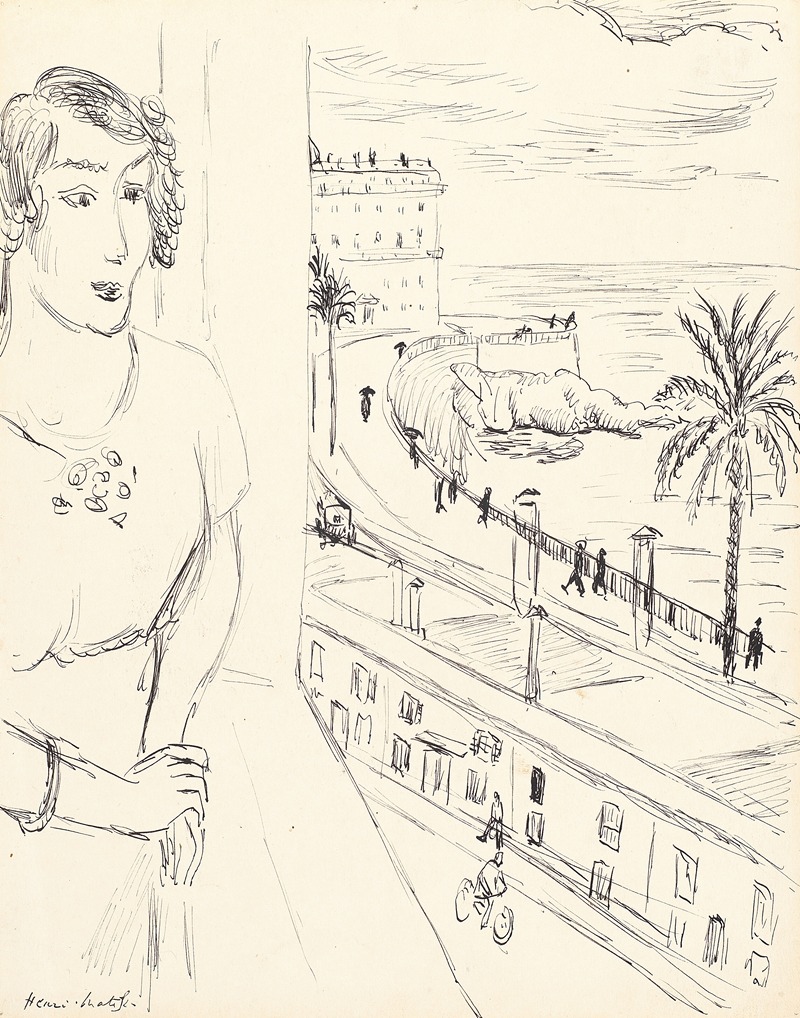
Femme près de la fenêtre, Nice
Henri Matisse
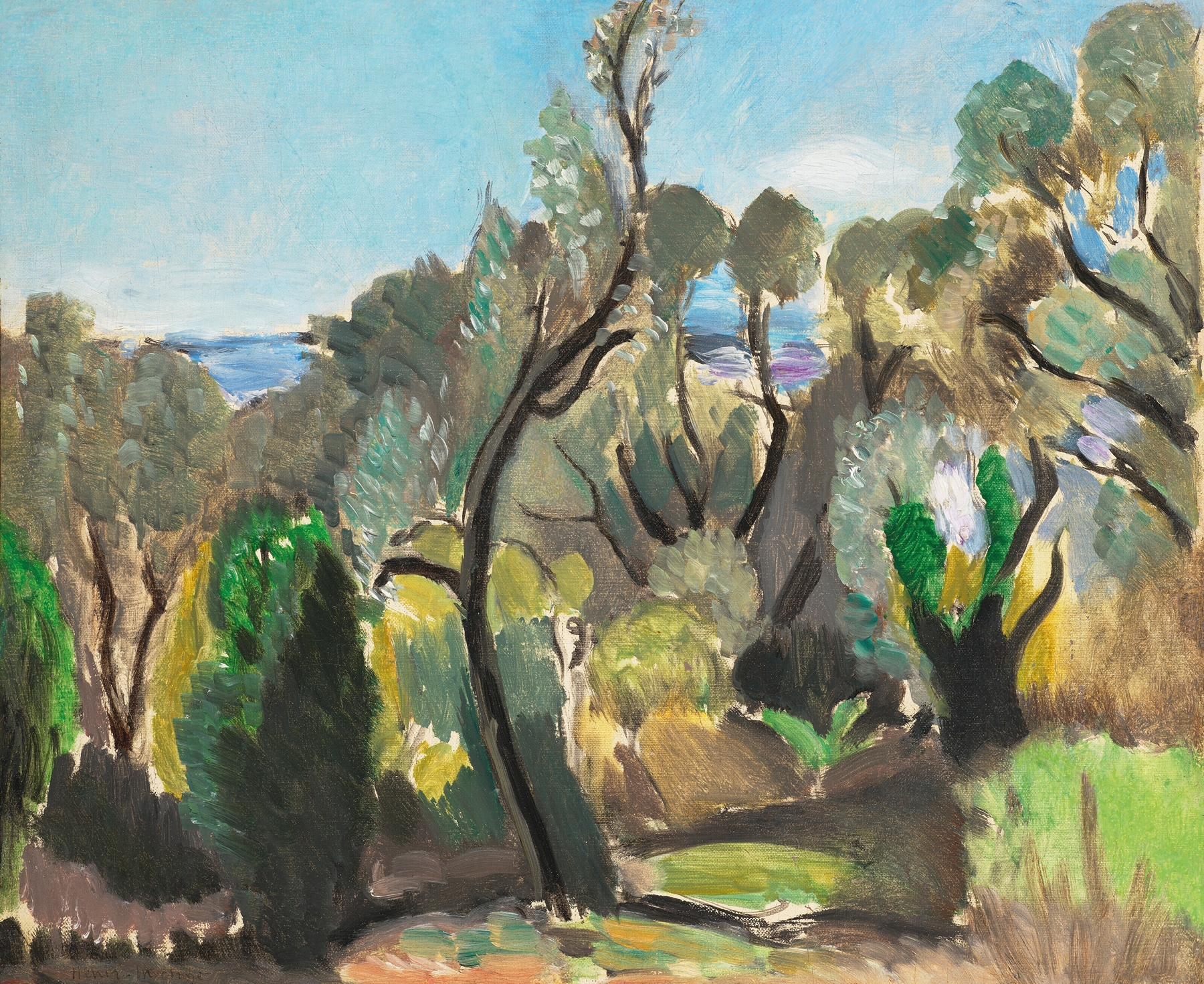
Paysage aux environs de Nice ou Les Oliviers ou Coin du Mont-Boron
Henri Matisse
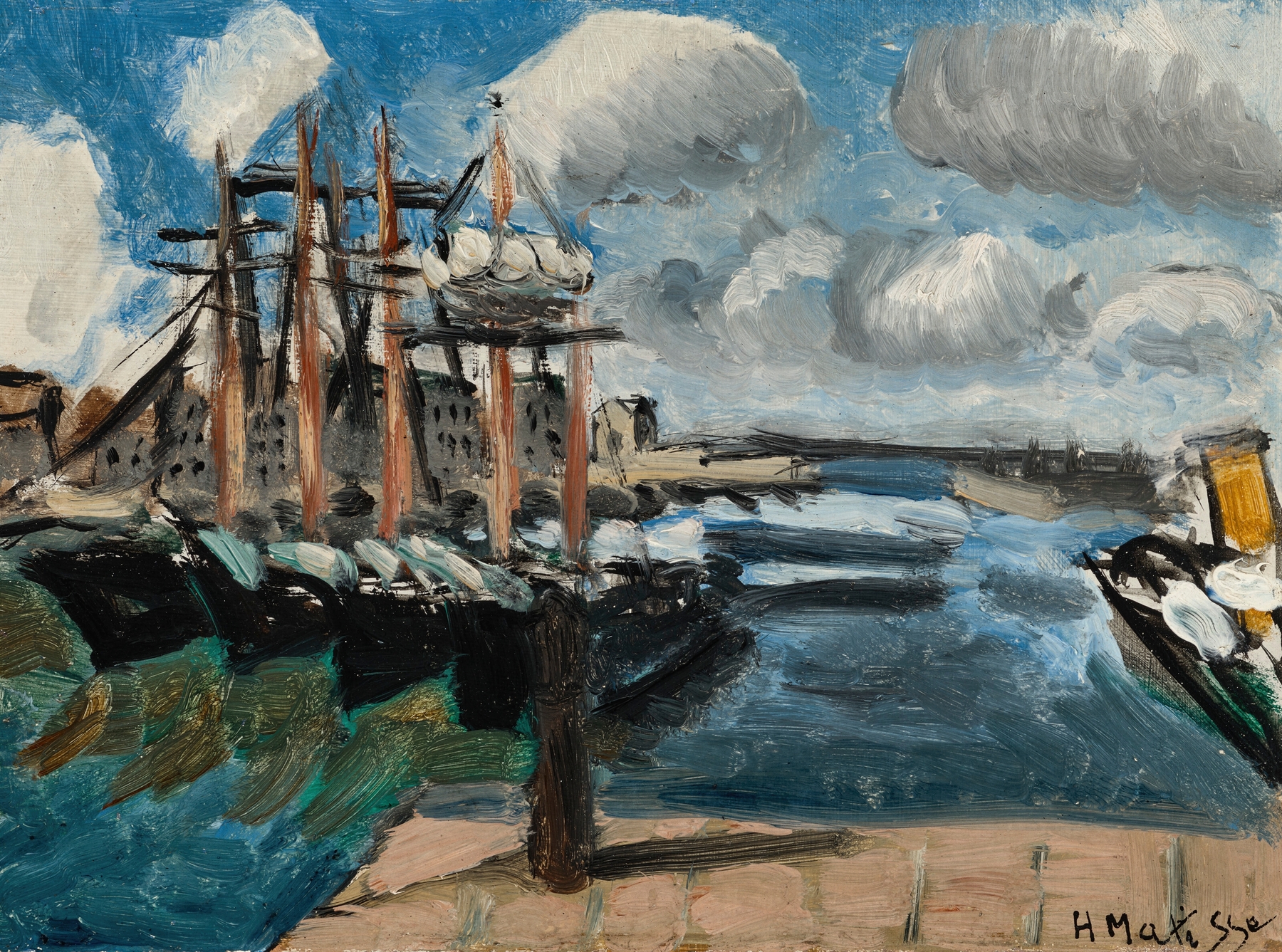
Port de Cherbourg
Henri Matisse
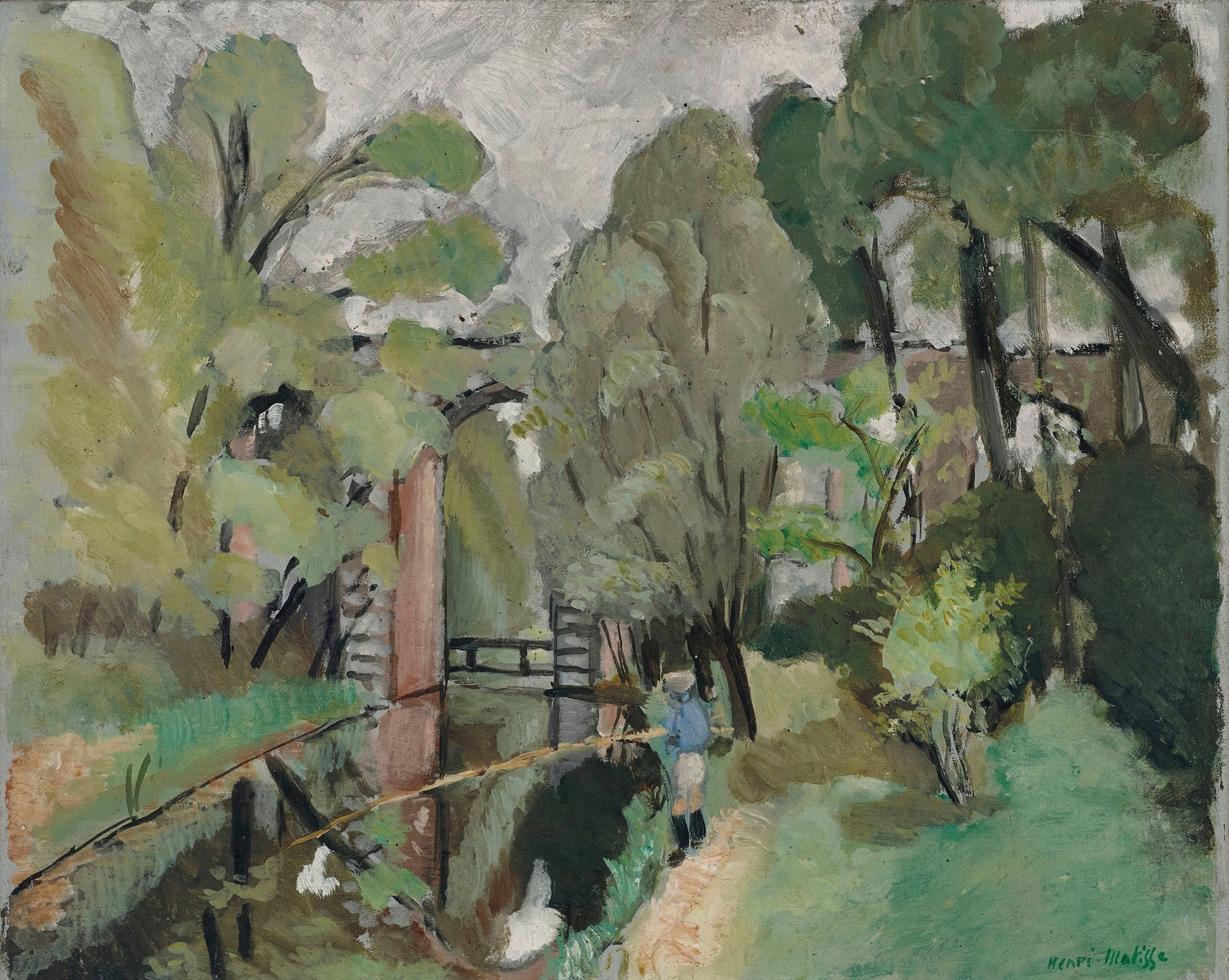
Le Petit pêcheur, Maintenon
Henri Matisse
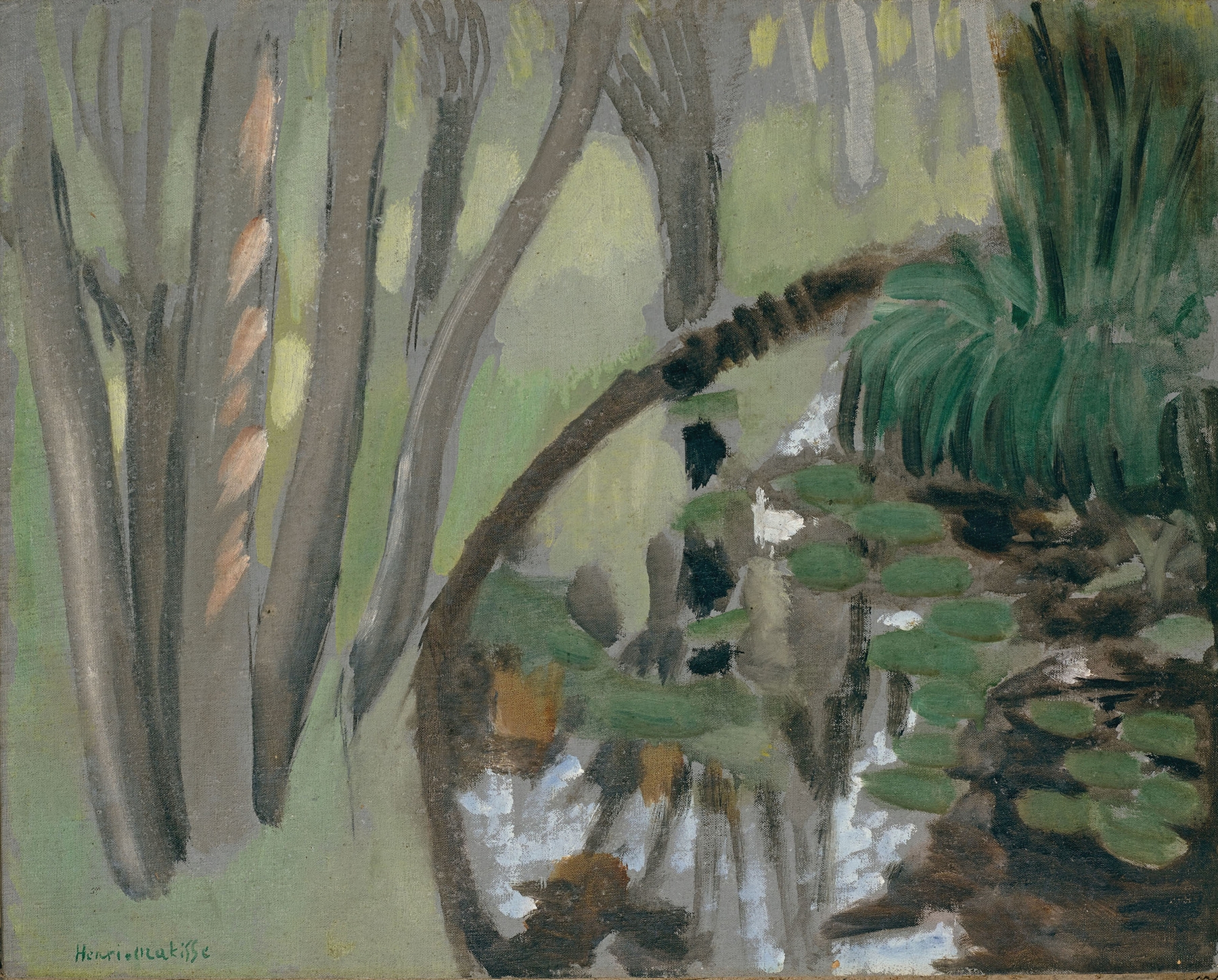
Le ruisseau, Maintenon
Henri Matisse
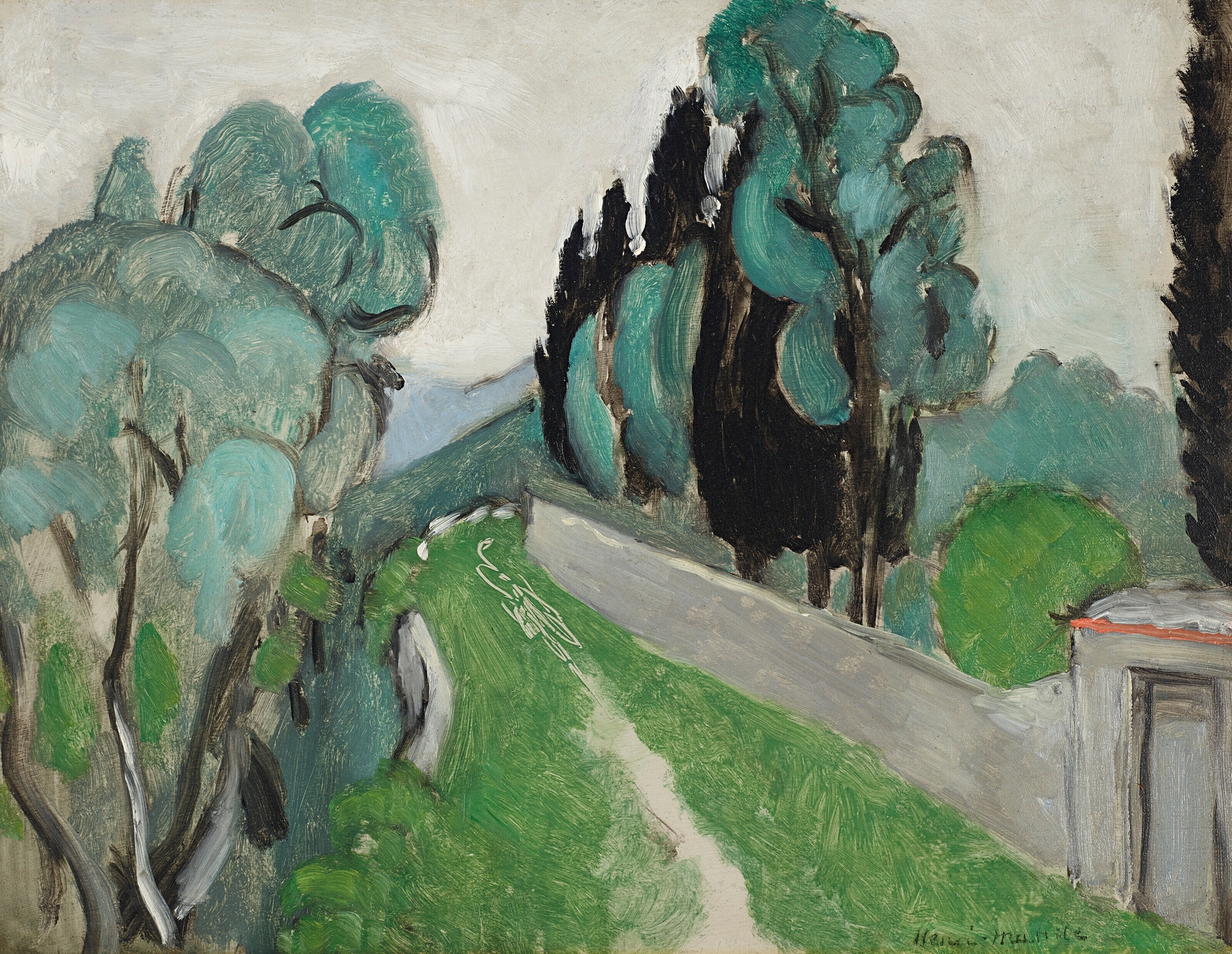
Paysage avec cyprès et oliviers aux environs de Nice
Henri Matisse
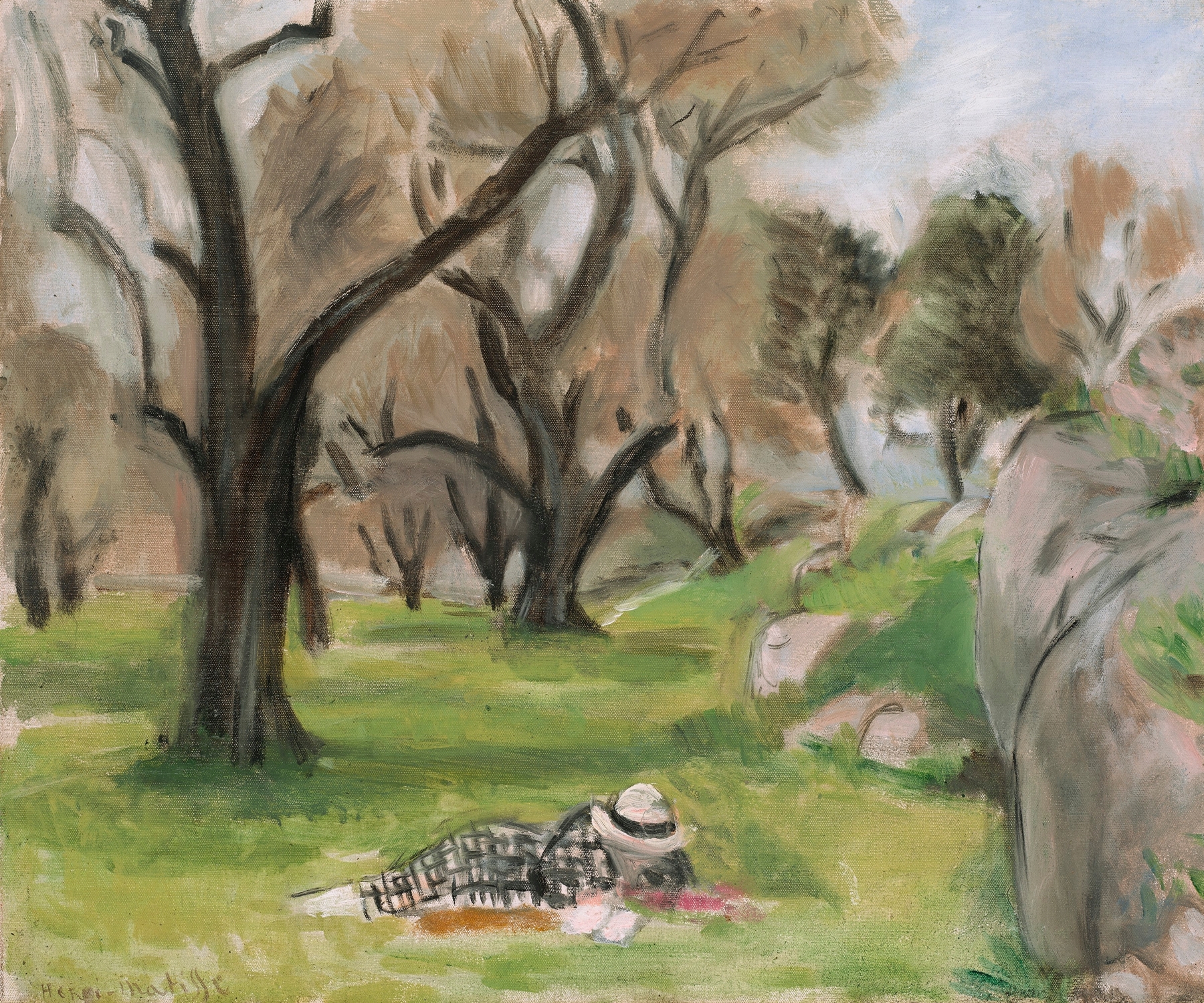
Paysage du Midi
Henri Matisse
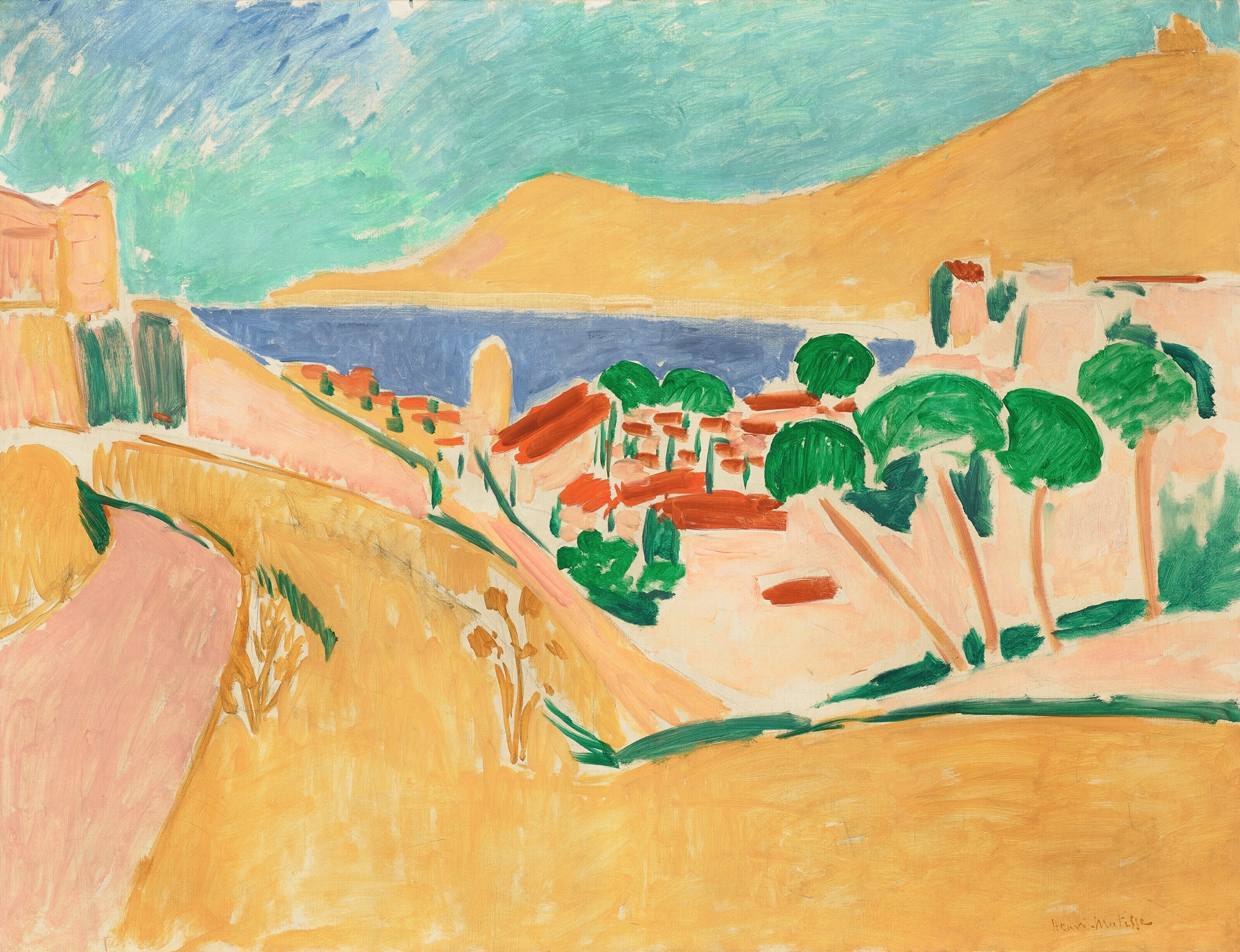
Collioure en août
Henri Matisse
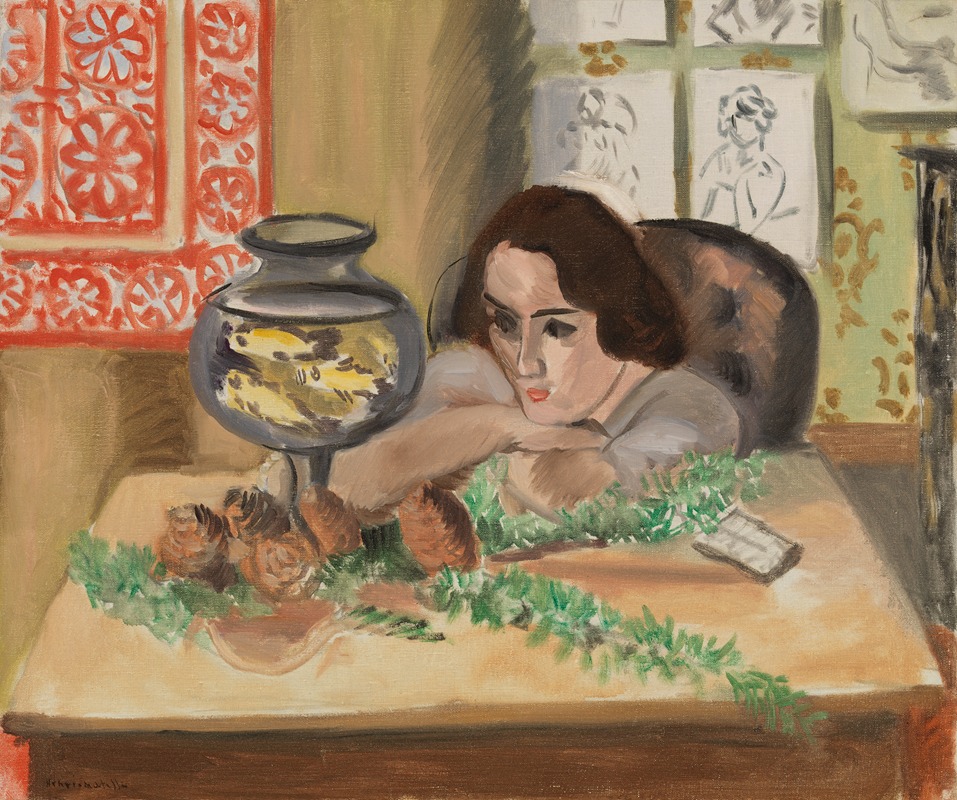
Woman before an Aquarium
Henri Matisse