Discover insights about this artwork
Judith II (Salome) — History & Facts
In Judith II (Salome) by Gustav Klimt, the viewer is greeted by a striking composition dominated by rich golds and deep reds. The central figure, Judith, is adorned in elaborate patterns that reflect Klimt's signature style. Her expression is intense, conveying both strength and seduction as she holds the head of Holofernes.
The background is filled with intricate designs, enhancing the overall sense of drama and allure. This painting is characterized by Klimt's use of oil on canvas, a medium that allows for vibrant colors and intricate details. The dimensions are approximately 90 x 100 cm, making it a substantial piece that commands attention. The layering of gold leaf and the meticulous patterns are hallmarks of Klimt's work, showcasing his unique approach to texture and form.
The painting is a fine example of Symbolism, emphasizing emotional expression over realism. Gustav Klimt created Judith II (Salome) around 1909, during a period when he was exploring themes of femininity and power. This work is part of a series that reflects his fascination with strong female figures from mythology and history. An interesting fact about this painting is that it was inspired by the biblical story of Judith, who beheaded the Assyrian general Holofernes, symbolizing the triumph of virtue over tyranny.
Klimt's portrayal of Judith is both alluring and formidable, capturing the duality of her character.
More Artworks by Gustav Klimt
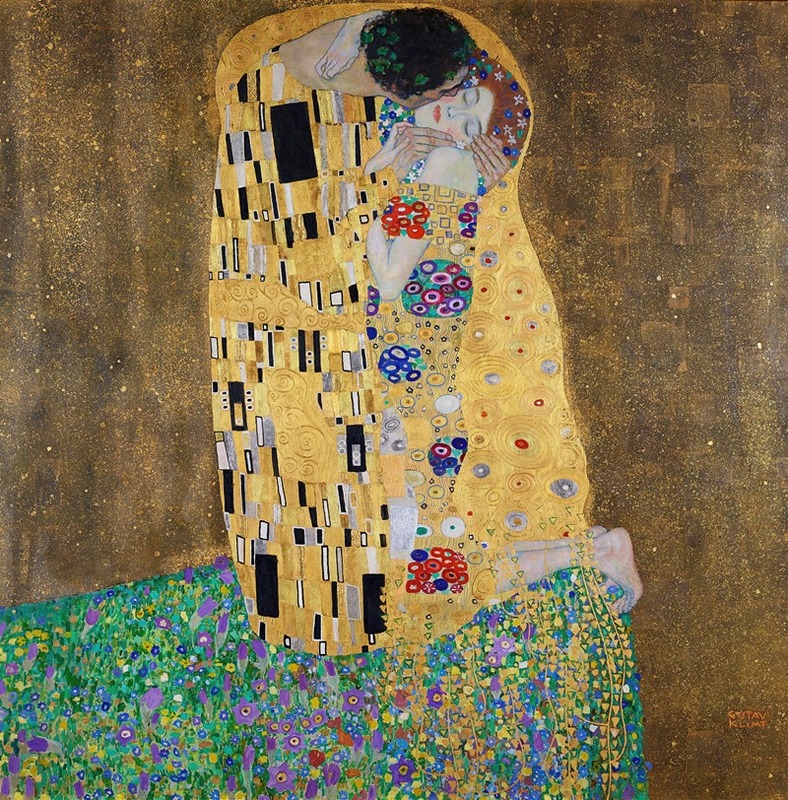
The kiss
Gustav Klimt
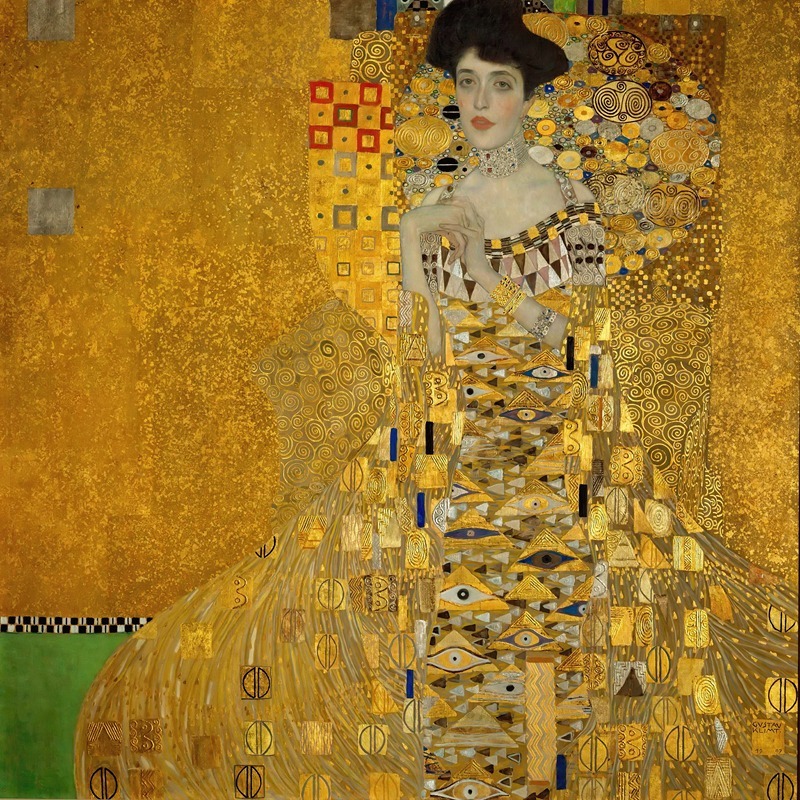
Portrait of Adele Bloch-Bauer I
Gustav Klimt
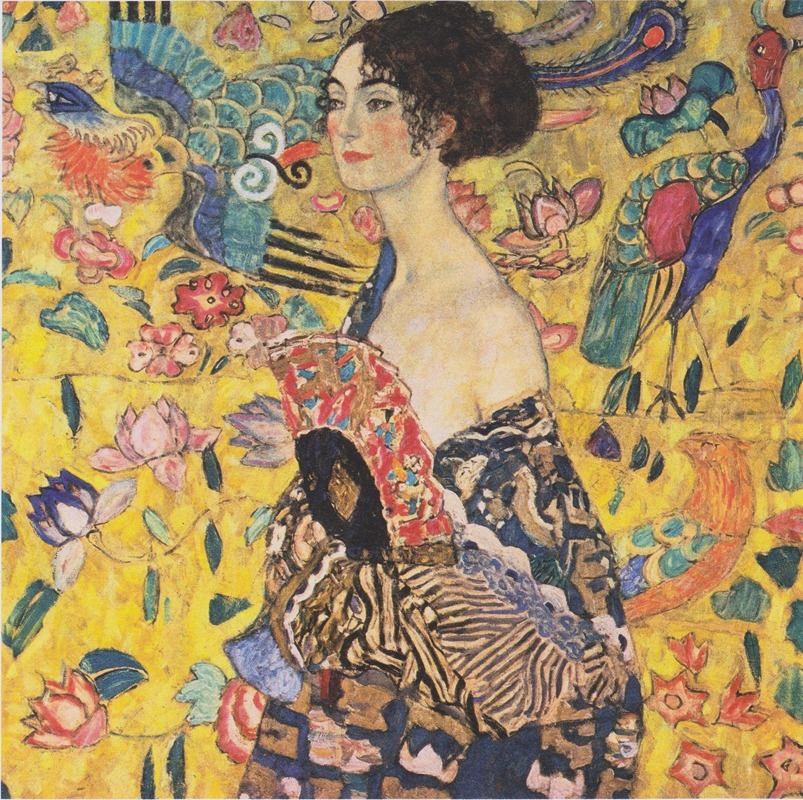
Woman with fan
Gustav Klimt
The kiss (lovers)
Gustav Klimt
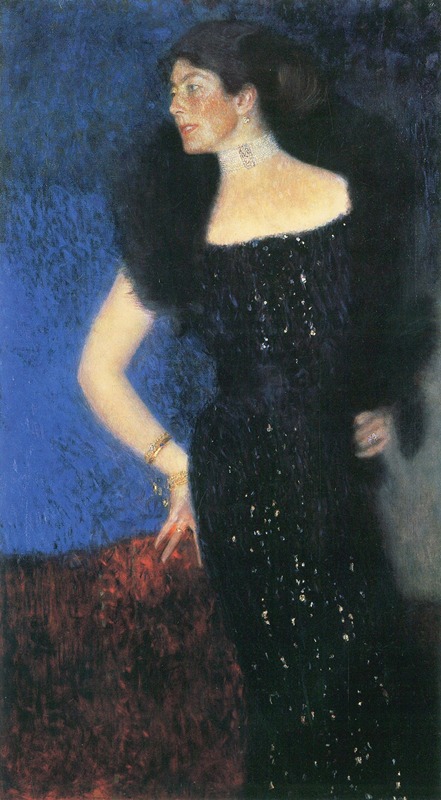
Portrait of Rose von Rosthorn-Friedmann
Gustav Klimt
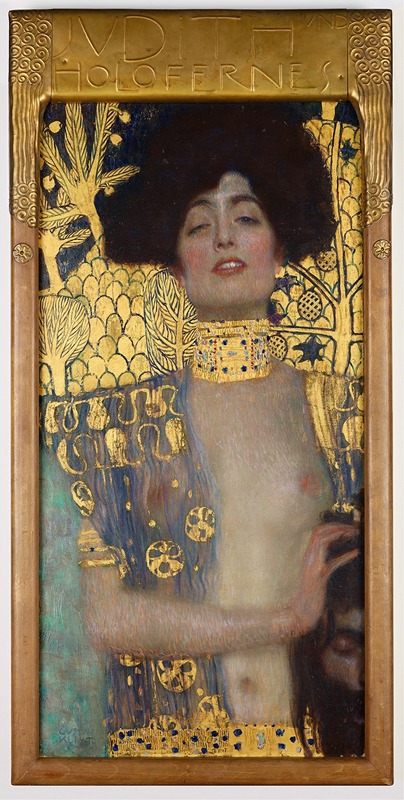
Judith
Gustav Klimt
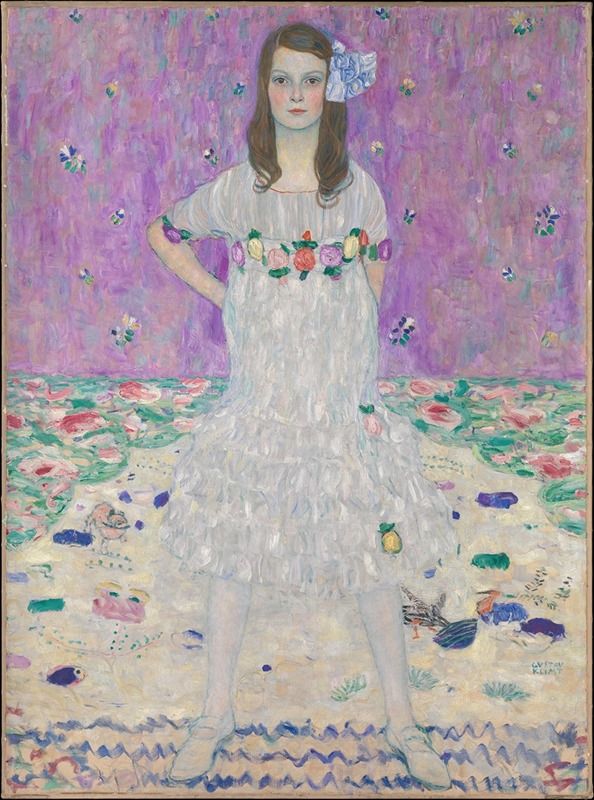
Mäda Primavesi
Gustav Klimt
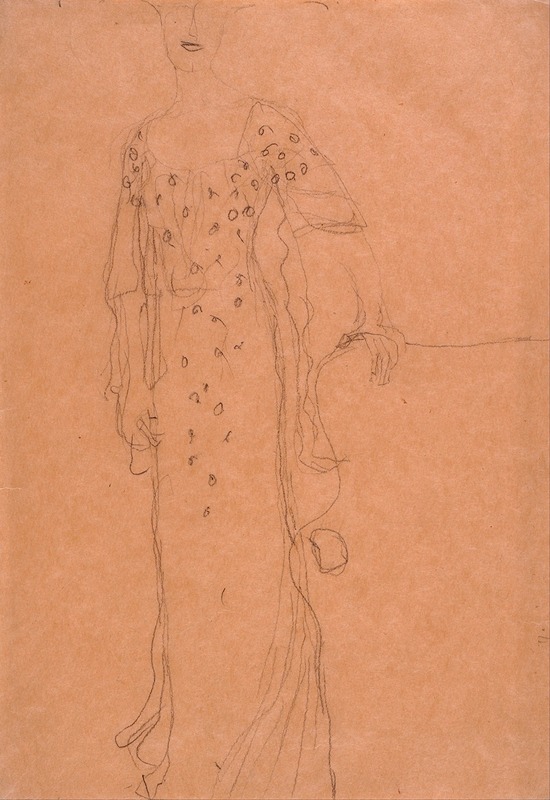
Study for Portrait of Adele Bloch-Bauer I
Gustav Klimt
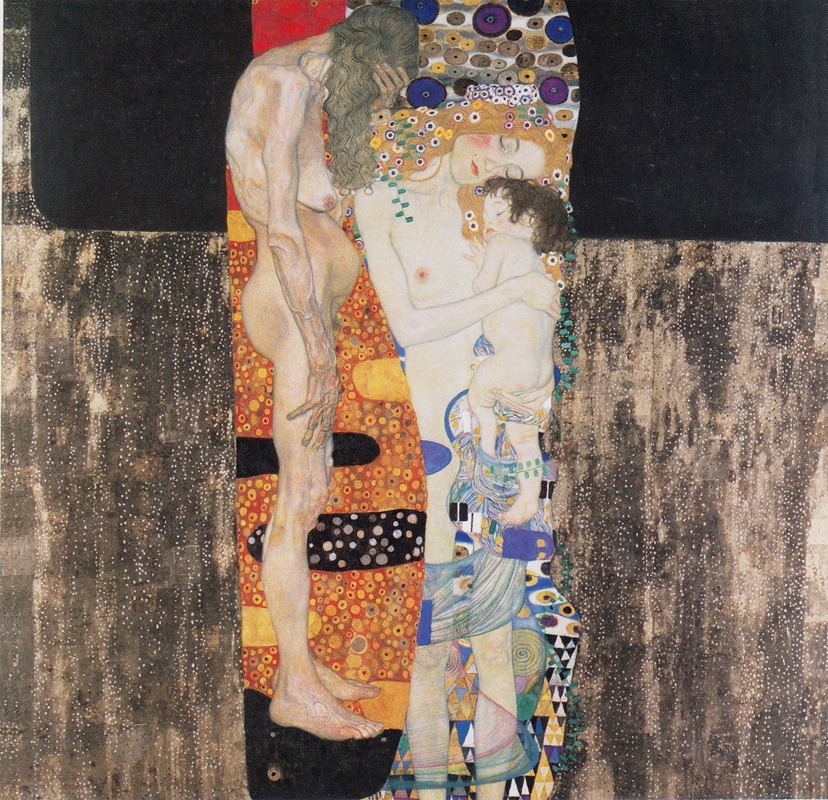
The Three Ages of the Woman
Gustav Klimt
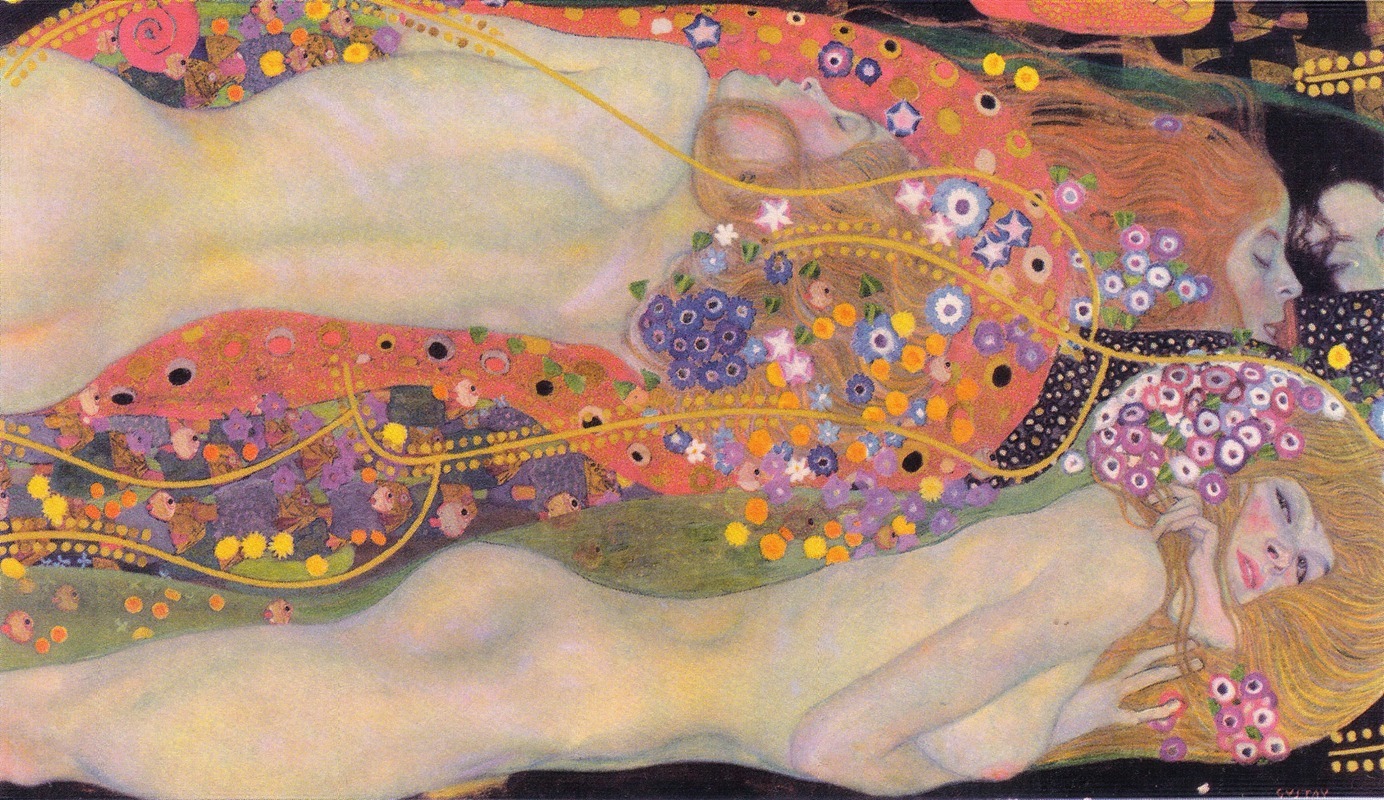
Water Serpents II
Gustav Klimt