
Nature morte au potiron — History & Facts
In Nature morte au potiron, Paul Sérusier presents a vibrant still life featuring a pumpkin. The painting is filled with rich colors, predominantly warm oranges and yellows, which highlight the pumpkin's texture. Surrounding the pumpkin are various fruits and foliage, creating a lively composition.
The background is a blend of soft greens and browns, enhancing the overall warmth of the piece. The painting is executed in oil on canvas, a medium that allows for the vivid color palette that Sérusier is known for. The brushwork is expressive, with visible strokes that add depth and movement to the composition. The arrangement of objects is carefully considered, creating a balance that draws the viewer's eye.
This work exemplifies the Post-Impressionist style, focusing on color and form rather than realistic representation. Paul Sérusier was a key figure in the Post-Impressionist movement, known for his bold use of color and simplified forms. This painting, created in the 1890s, reflects his interest in the interplay of light and color. An interesting fact about this work is that it showcases Sérusier's shift from traditional representation to a more personal and expressive style.
His approach influenced many artists in the Nabis group, who sought to convey emotional experiences through their art.
More Artworks by Paul Sérusier

Bretonnes, Réunion Dans Le Bois Sacré
Paul Sérusier
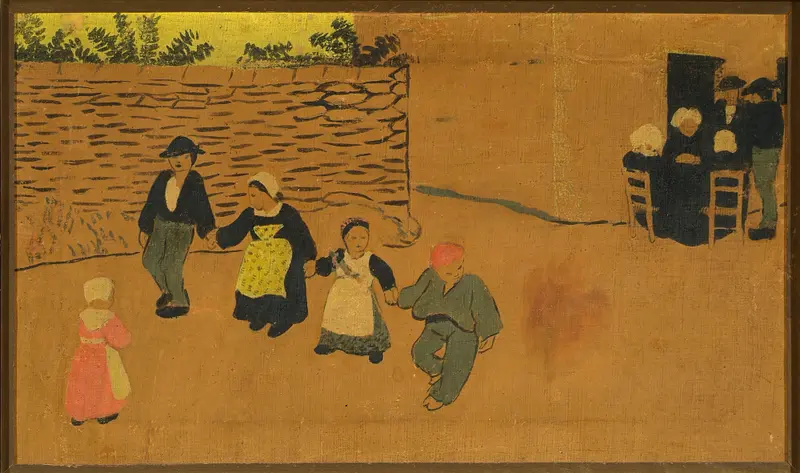
Breton panel with children
Paul Sérusier
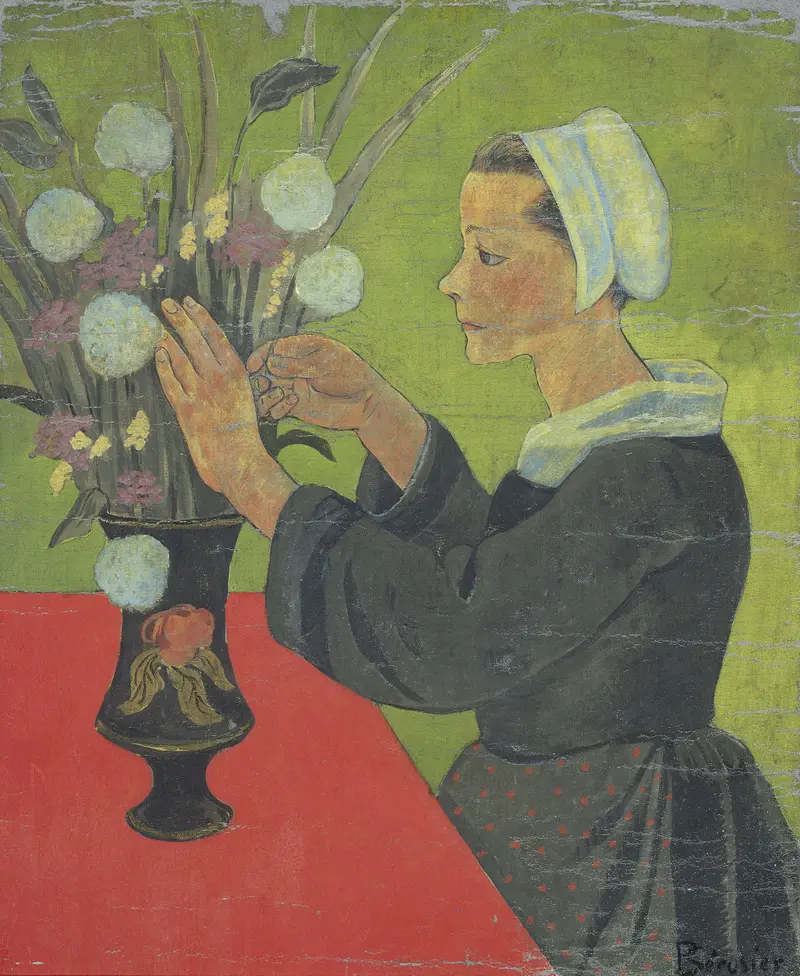
Bretonne au bouquet (Huelgoat)
Paul Sérusier
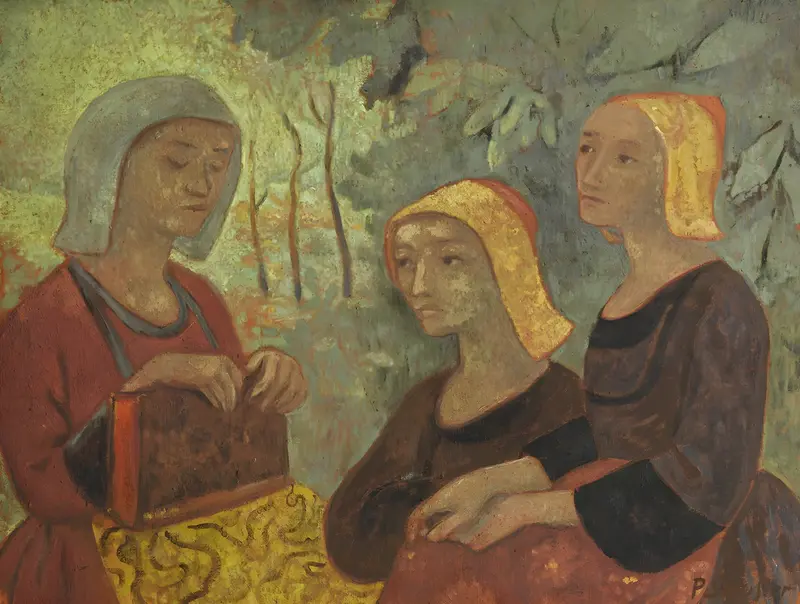
Bretonnes au livre
Paul Sérusier
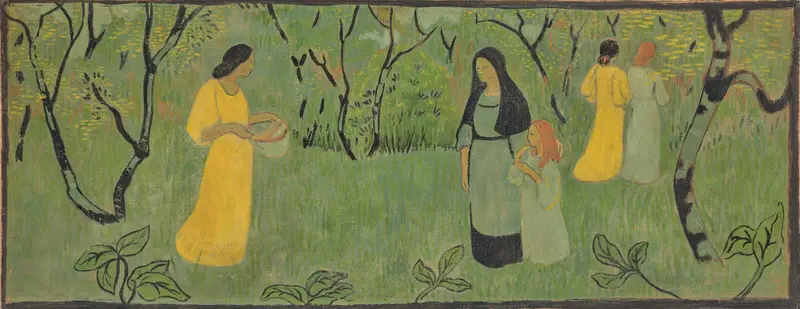
Promenade du Dimanche (Robes Jaunes)
Paul Sérusier
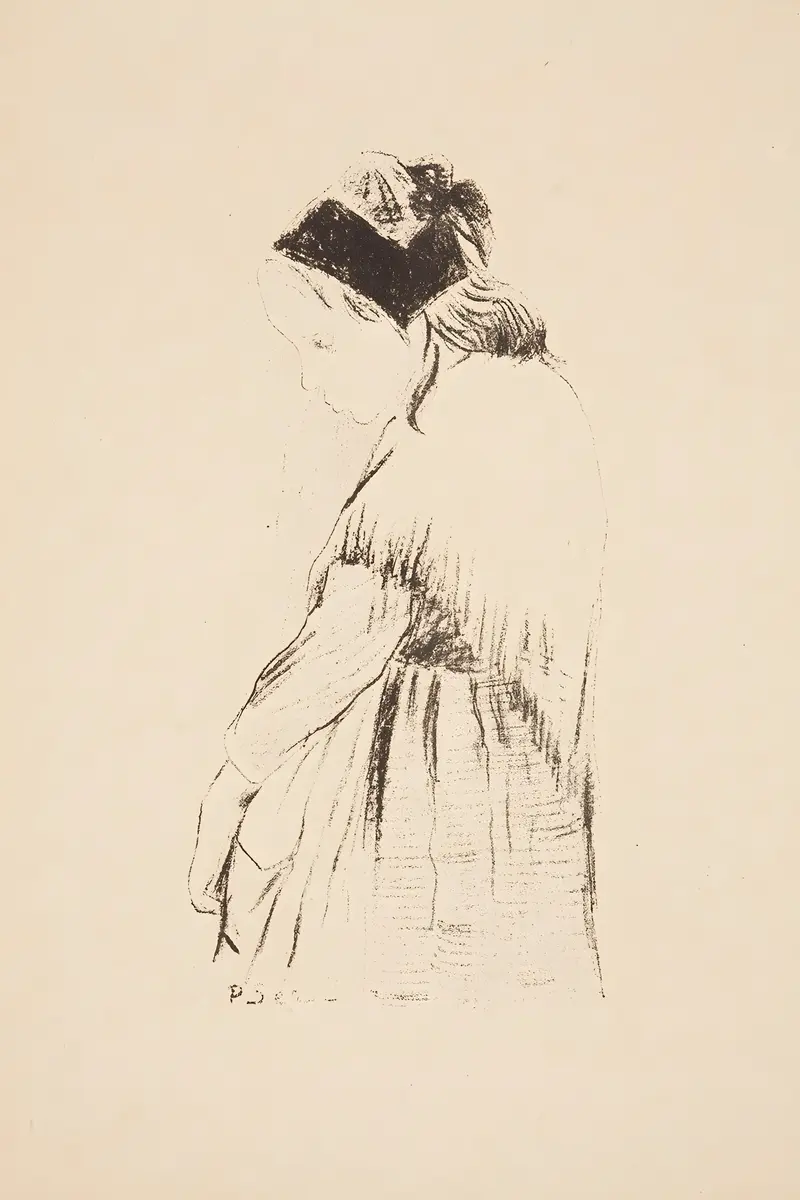
Jeune Bretonne
Paul Sérusier
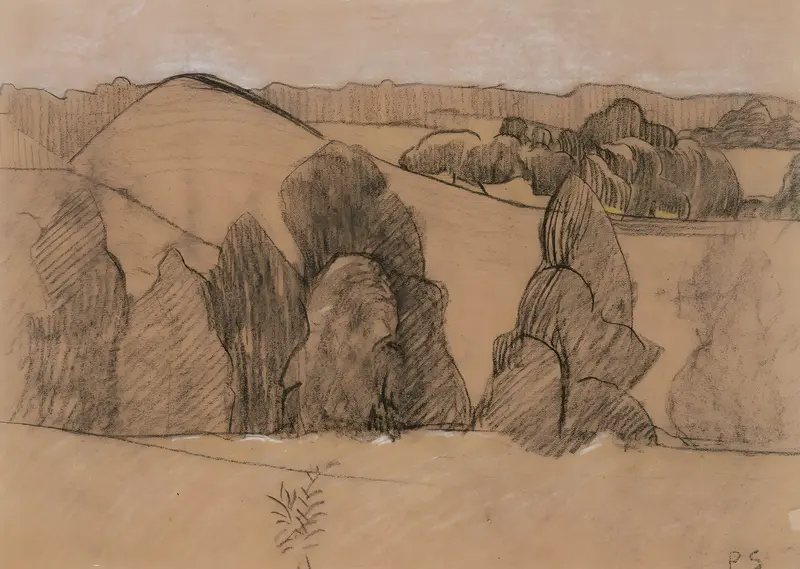
Landscape in Brittany
Paul Sérusier
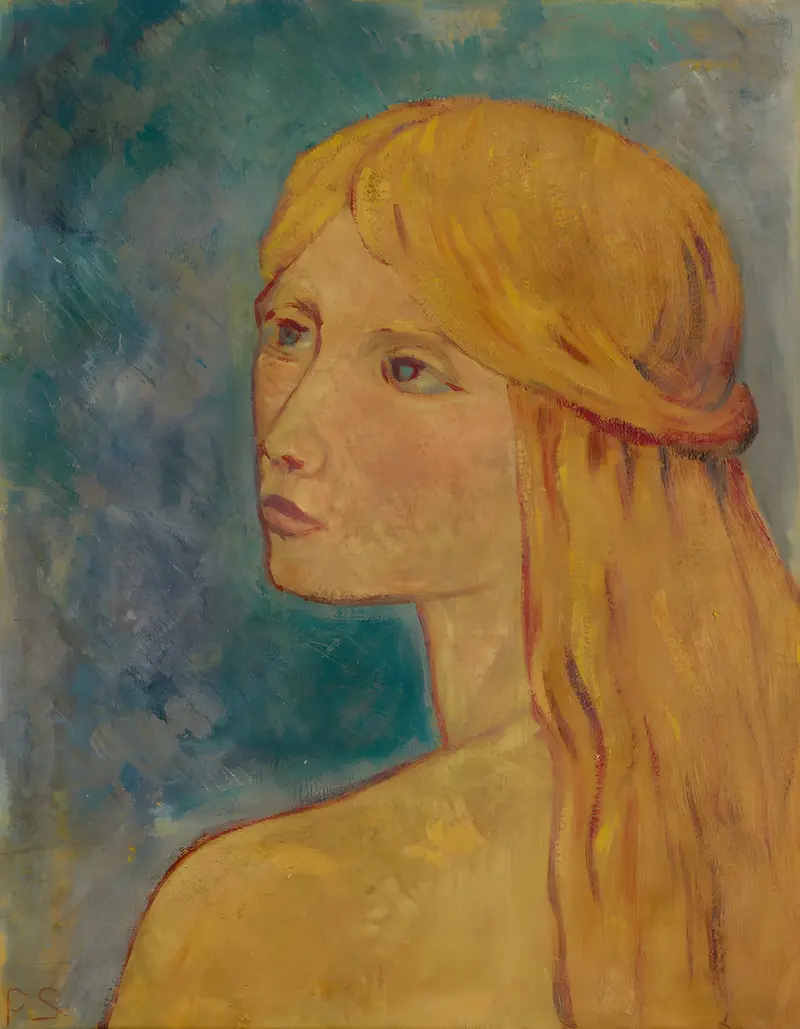
La Rousse
Paul Sérusier
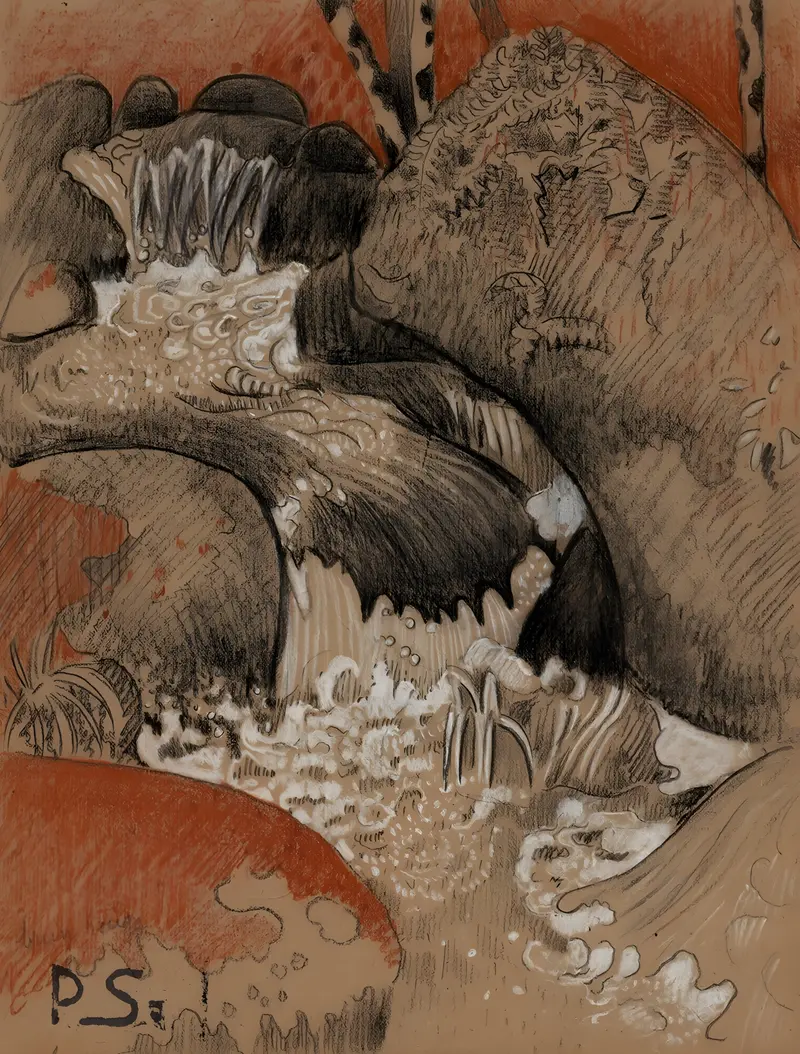
Rochers d’Huelgoat
Paul Sérusier
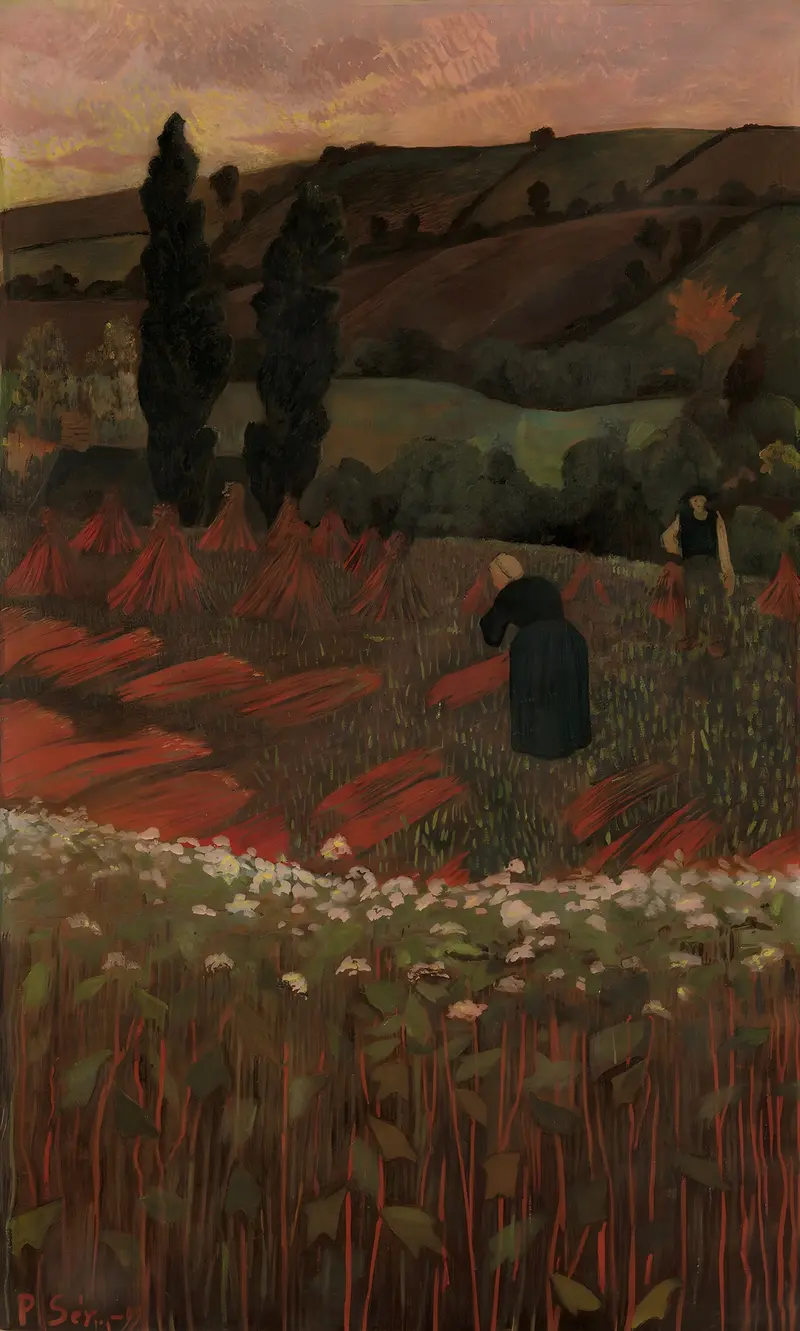
The Harvest of Buckwheat
Paul Sérusier





