
Nature Morte of Fish — History & Facts
What first catches the eye in Nature Morte of Fish by Alessandro Castelli is the glimmer of life still clinging to the dead—scales catching the faintest light, eyes wide and alert, as if the fish themselves are caught in a moment between worlds. The painter’s hand guides us across the slick bodies, layering them in a gentle arc that suggests both abundance and finality. The darkness that presses in from the edges is not just background but a silent witness, forcing the viewer’s gaze to linger on the subtle interplay of color: muted silvers, flashes of red, and the earthy greens of river reeds.
Every brushstroke seems to weigh the cost of nature’s bounty, inviting us to consider the stillness and the story behind each catch. Still life painting—natura morta—flourished in Europe from the seventeenth century, prized by collectors who sought to display both wealth and a meditative awareness of life’s fleeting pleasures. Works like this, with their careful attention to the textures and forms of humble subjects, were often commissioned for private homes or dining rooms, where they could provoke conversation about nature, mortality, and the cycles of daily life. Little is recorded about this particular canvas beyond its appearance at Simpson Galleries in Houston in 2021, yet its quiet drama places it firmly within a tradition that valued observation and the painter’s ability to find meaning in the ordinary.
The longer one looks, the more the painting rewards with the richness of detail and the quiet dignity of its subject.
More Artworks by Alessandro Castelli

Campagna Landscape with Bridge
Alessandro Castelli
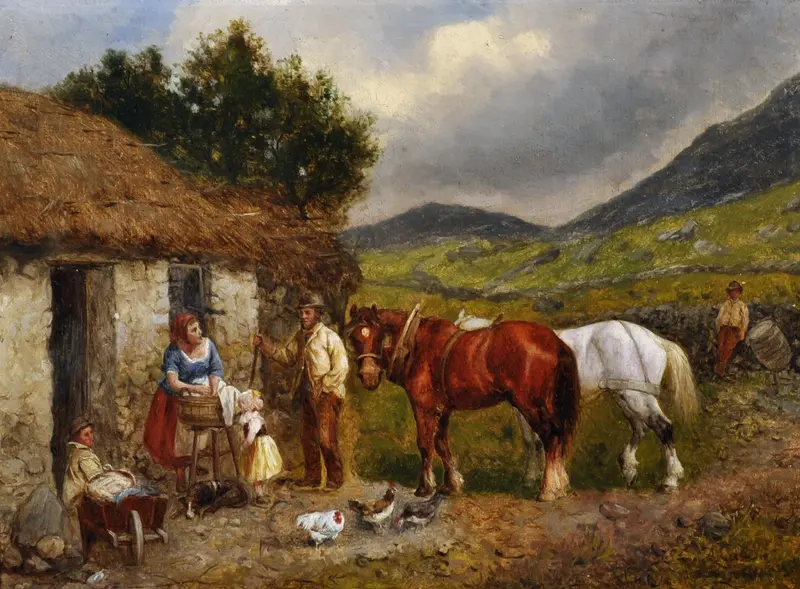
Rural people, horses and poultry in front of a thatched roof hut
Alessandro Castelli
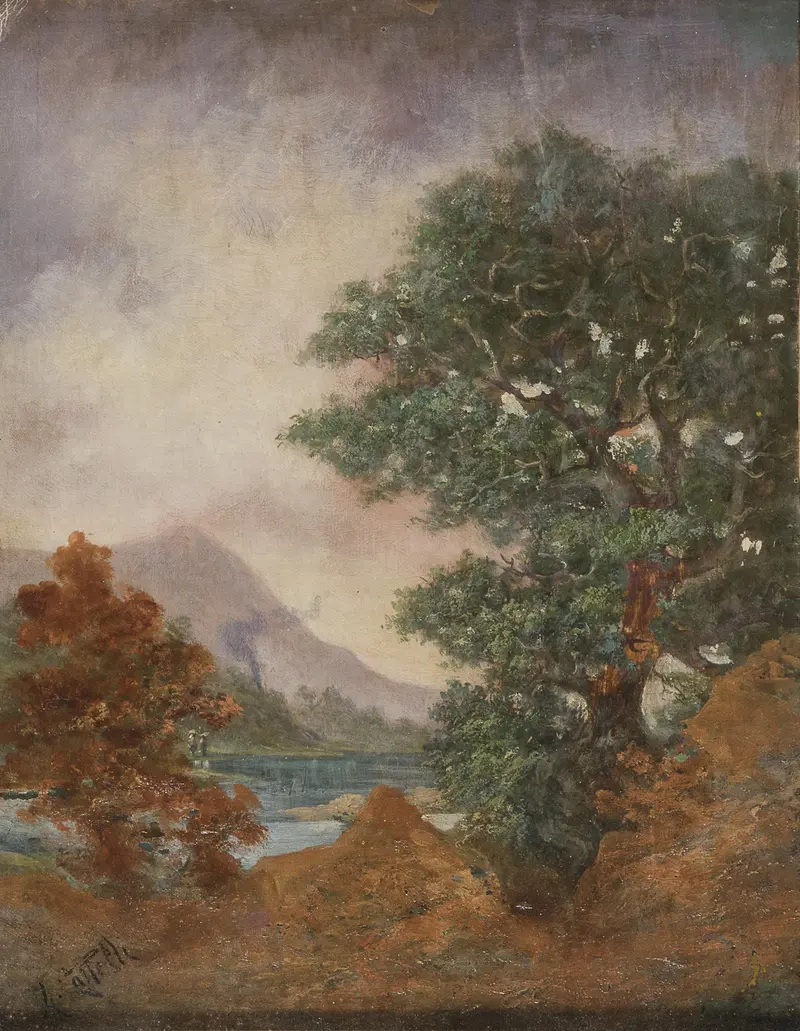
Landscape
Alessandro Castelli
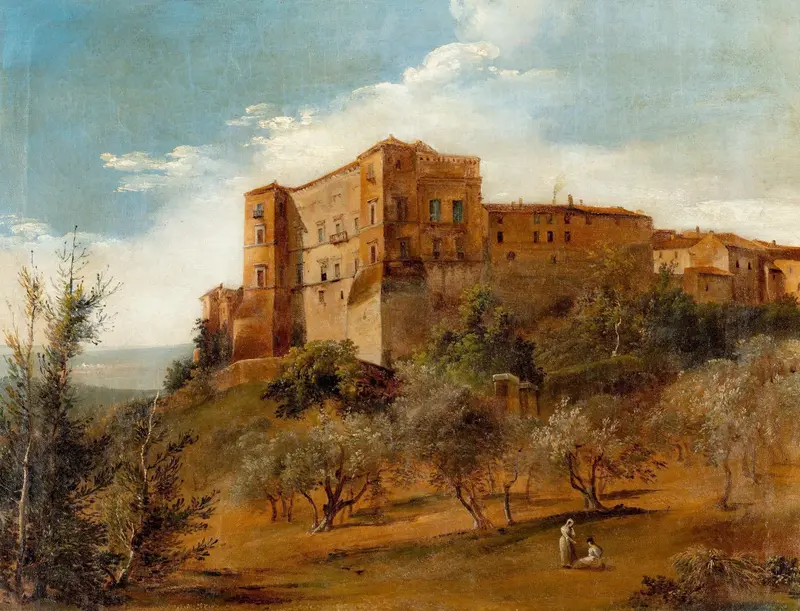
View of Palazzo Ruspoli in Vignanello
Alessandro Castelli
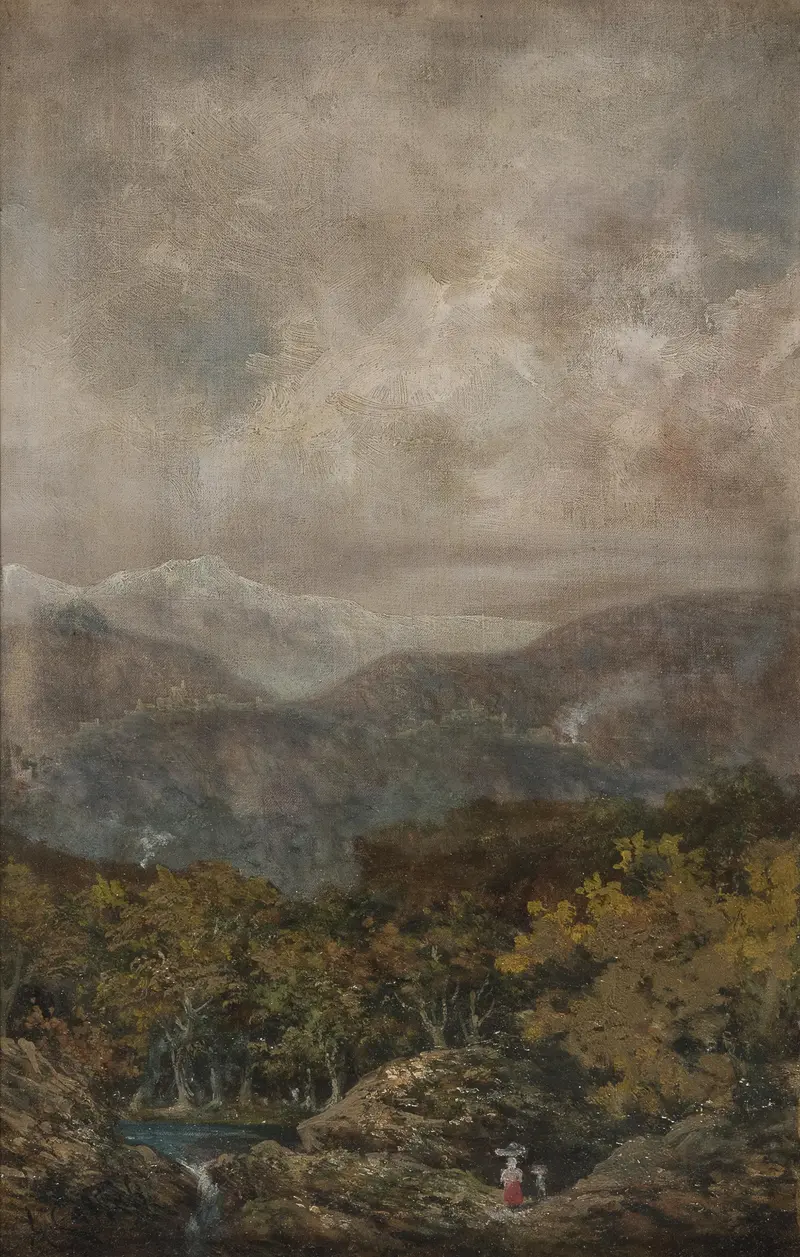
Landscape 2
Alessandro Castelli
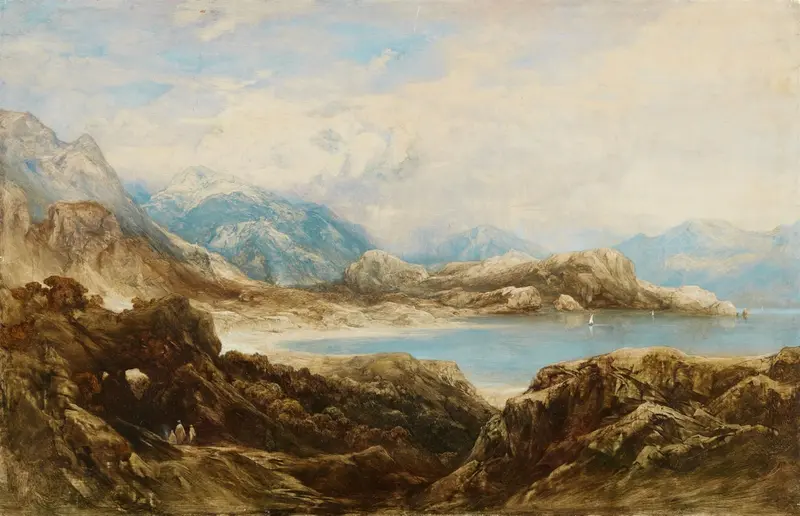
Mountainous Landscape with a Lake
Alessandro Castelli
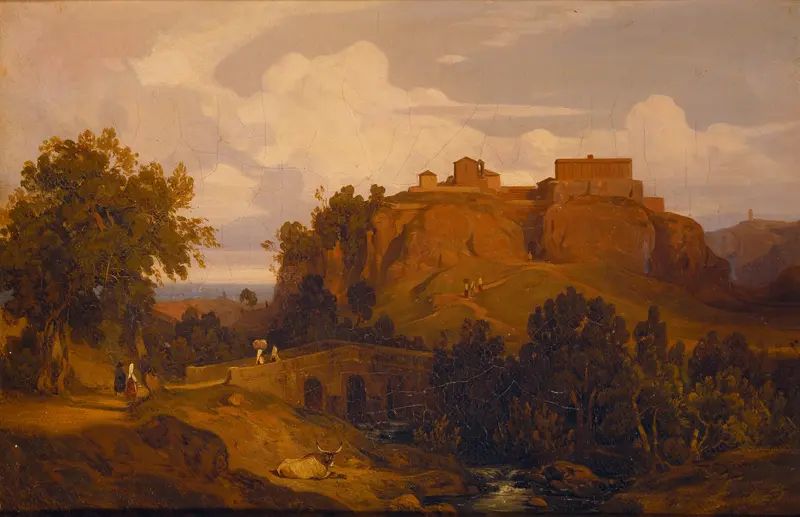
Landscape, View Towards Ardea
Alessandro Castelli





