Nádvorie strážskeho kaštieľa — History & Facts
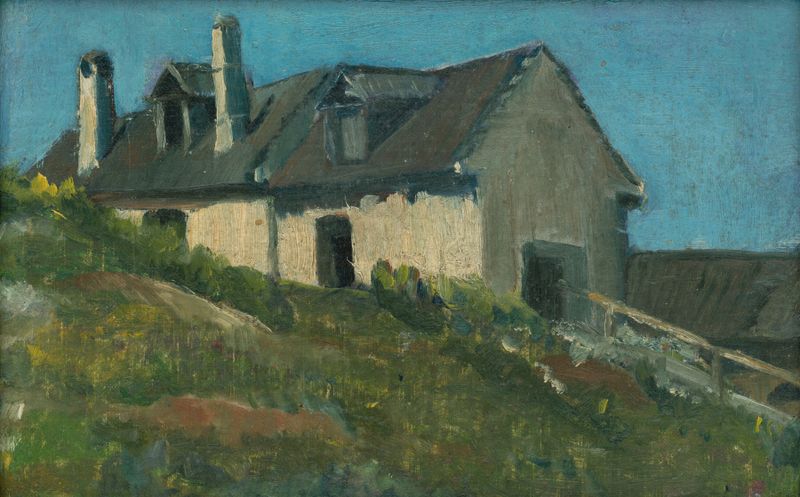
When did color learn to lie? The delicate interplay of hues often conceals the fragility that lingers beneath the surface, whispering secrets of vulnerability and strength. Look closely at the vibrant greens and browns that flow across the canvas, guiding your eyes to the courtyard of a noble estate. Notice how the sunlight spills onto the cobblestones, illuminating uneven patches reminiscent of human imperfections. The careful brushwork creates a sense of movement, as if the scene breathes, inviting viewers to step into a moment suspended in time. As you linger over the details, you can feel the tension between beauty and decay.
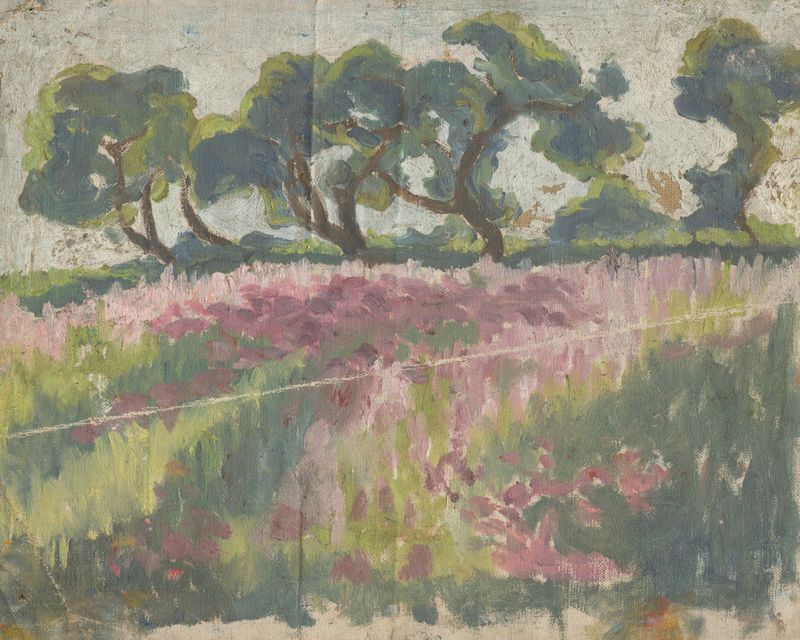
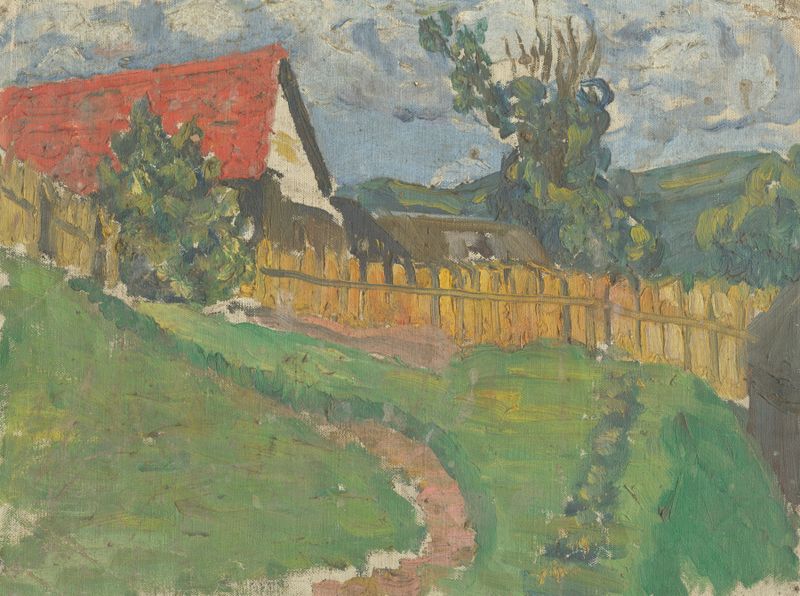
The gentle arch of the trees, their foliage lush yet tinged with hints of wilting, speaks to the inevitability of change. In the shadowed corners, the crumbling walls serve as a metaphor for history and memory, suggesting that even the grandest places are vulnerable to erosion. This duality evokes an emotional resonance, reminding us that life is as much about fragility as it is about vibrance. Frida Konstantin painted Nádvorie strážskeho kaštieľa in 1908 while living in the heart of a transforming Europe.
As post-impressionism began to flourish, she sought to capture the ephemeral beauty of her surroundings. At a time when society grappled with rapid change and shifting values, her work reflects both personal introspection and a broader cultural dialogue, intertwining a sense of place with the transient nature of existence.