
Near Ispahan — History & Facts
Did the painter know this moment would outlive them? In Near Ispahan, the essence of awakening dances upon the canvas, inviting the viewer to step into a world that teems with life and color. Look to the vibrant hues that saturate the landscape; the warm ochres and deep blues draw the eye to the majestic architecture amidst the sunlit scene. Notice how the figures dressed in traditional garments dot the foreground, their presence grounding the composition while whispering stories of daily life. The deft brushwork captures the play of light as it cascades over the structures, teasing out the intricate details of the buildings, which stand as silent witnesses to time, echoing the fusion of culture and nature. Delve deeper into the emotional currents of the painting, where the juxtaposition of man-made beauty and the natural landscape suggests a harmony rarely seen in the modern world.
The serene expressions of the figures contrast sharply with the bustling energy of their surroundings, inviting contemplation on the relationship between humanity and the vastness of the universe. Each element, from the fluttering fabric of their attire to the distant mountains, holds a mirror to the viewer’s own journey of awakening — an invitation to embrace the magnificence that exists beyond one’s immediate reality. Created during the late 19th century, this artwork reflects Edwin Lord Weeks’ fascination with the exotic landscapes he encountered on his travels to the East. At the time, Western art was increasingly captivated by Orientalism, as artists sought to depict the allure of new cultures.
Weeks, influenced by the vibrant life of Ispahan and its surroundings, embraced this trend while also striving to convey an authentic sense of place through his meticulous attention to detail and rich color palette.
More Artworks by Edwin Lord Weeks
Browse all →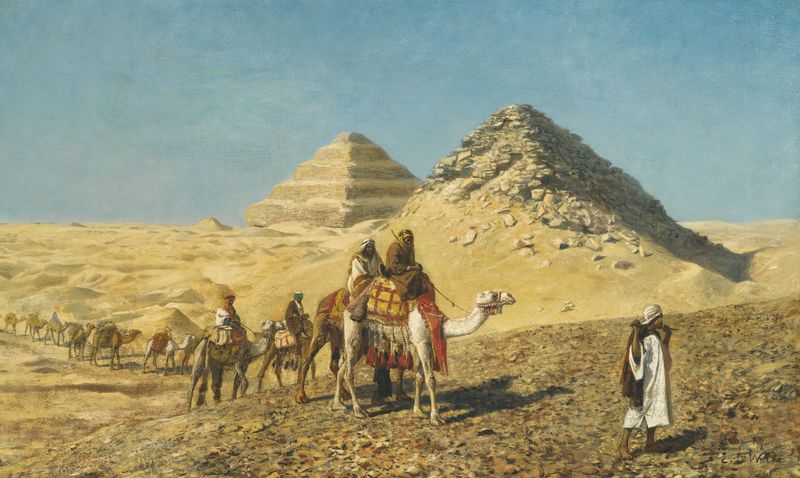
Camel Caravan Amid The Pyramids, Egypt
Edwin Lord Weeks
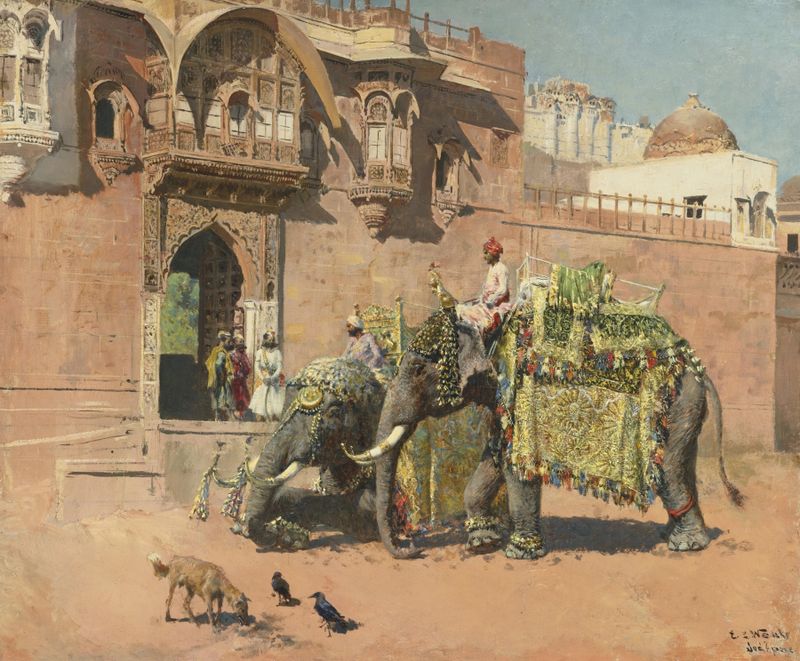
Les éléphants du Rajah de Jodhpore
Edwin Lord Weeks
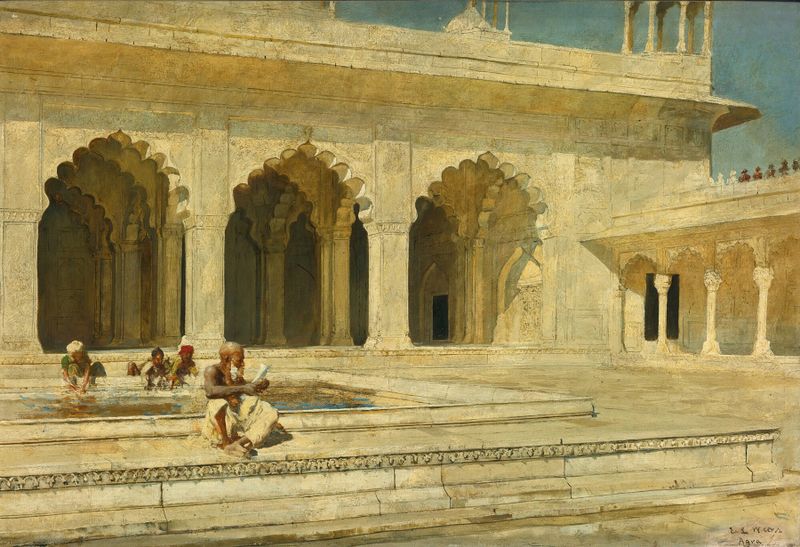
The Pearl Mosque, Agra
Edwin Lord Weeks
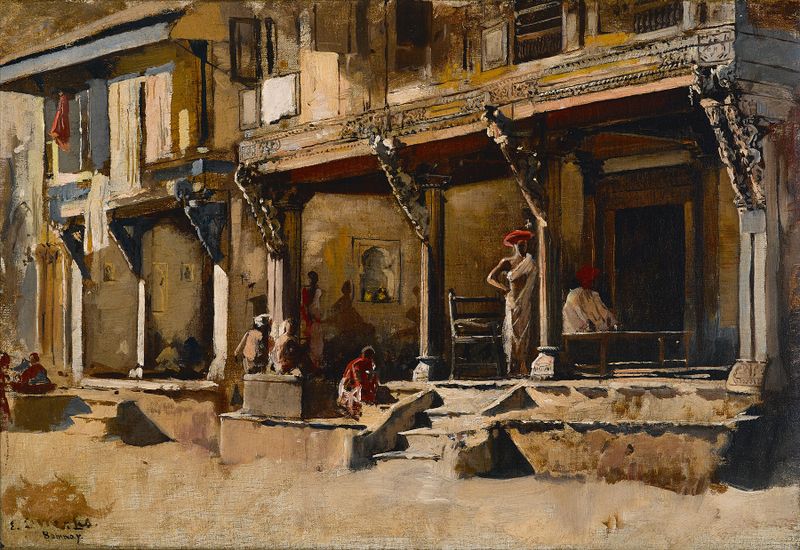
Merchants along a street in Bombay
Edwin Lord Weeks
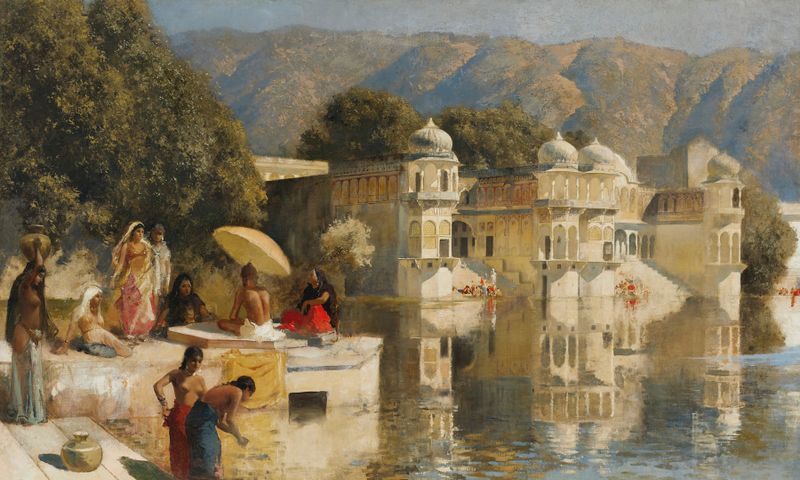
Lake at Oodeypore, India
Edwin Lord Weeks
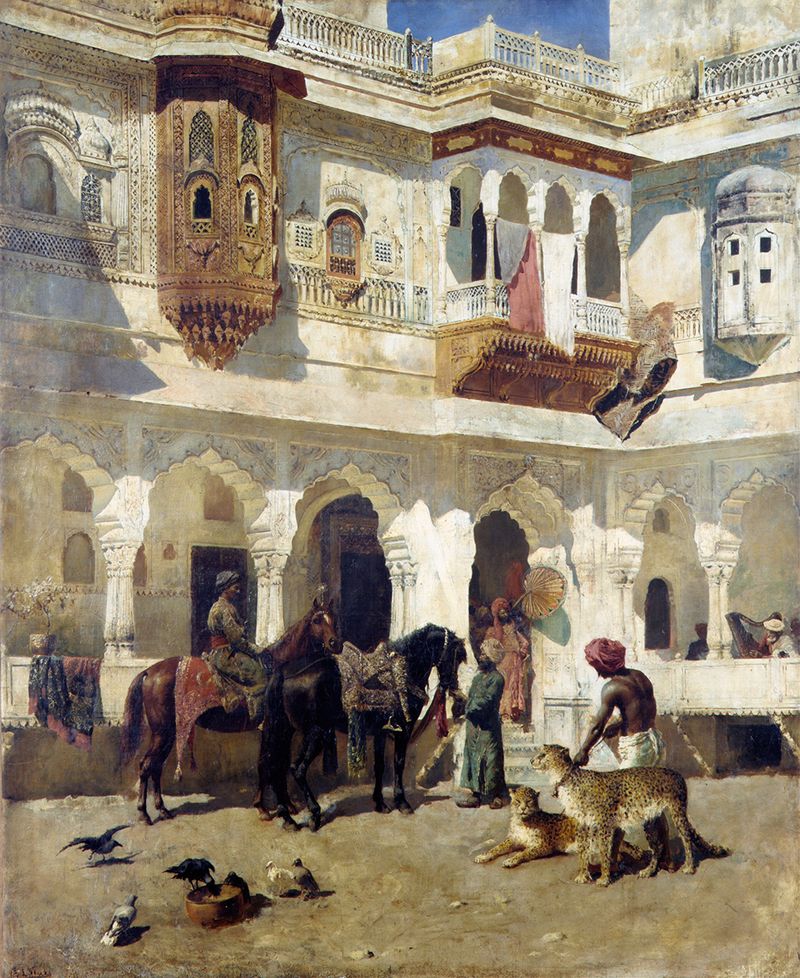
The Rajah Starting on a Hunt
Edwin Lord Weeks
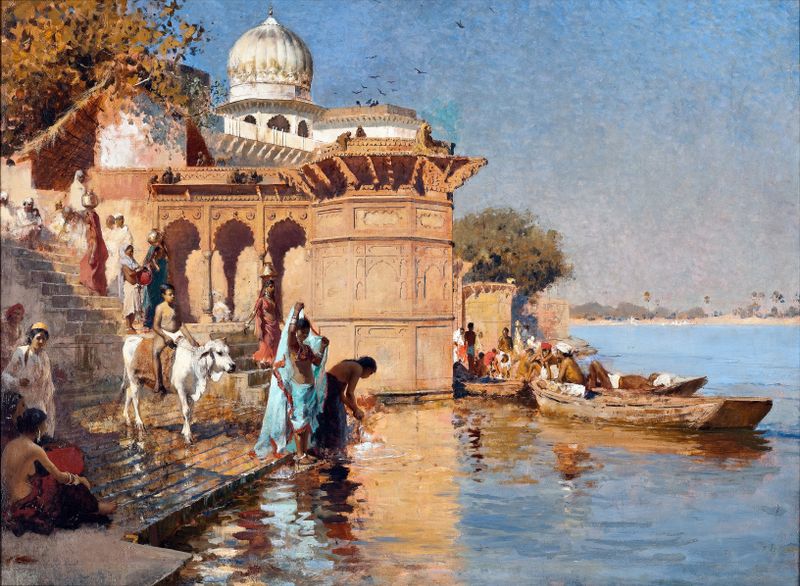
Along the Ghats, Mathura
Edwin Lord Weeks
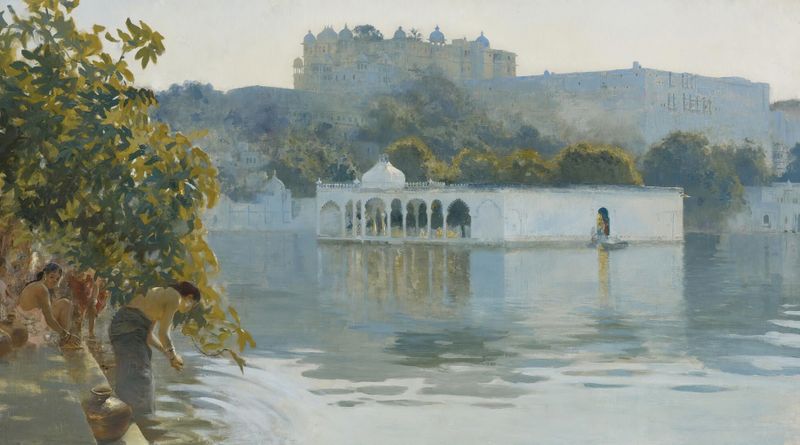
Lake At Oodeypore, India
Edwin Lord Weeks





