
The Rajah Starting on a Hunt — History & Facts
What secret hides in the quiet of the canvas? In The Rajah Starting on a Hunt, the stillness speaks volumes, inviting us to reflect on deeper layers of experience that lie just beneath the surface. Look to the left at the regal figure, poised atop a majestic steed. The rich ochres and deep emeralds of the environment frame the scene, while intricate patterns on the Rajah’s attire catch the eye, showcasing exceptional craftsmanship. Notice how the light dances across the horses, highlighting muscles and creating a sense of movement, as if the moment is suspended in anticipation.
Each detail, from the vibrant textiles to the lush landscape, is meticulously defined, immersing the viewer in a world of opulence. Yet, there is an underlying tension here. The poised stance of the Rajah, though confident, hints at a solitude that is palpable—perhaps a reflection of lost companionship or silent grief beneath the grandeur. The watchful gaze of the figures surrounding him suggests an awareness of unspoken emotions, while the looming horizon suggests both adventure and the inevitability of loss.
Each brushstroke encapsulates more than mere action; it evokes a complex interplay of duty and personal reflection. In 1885, Edwin Lord Weeks embarked on this work during a time when he was deeply engaged with Indian culture, traveling extensively and documenting its vibrancy. This painting emerged as a reflection of his fascination with the local nobility and their customs, yet it also coincides with an era of personal and social transitions, where imperialism and tradition wrestled with the modern world. Weeks’ own experiences during this period undoubtedly influenced the emotional gravity of his portrayal.
More Artworks by Edwin Lord Weeks
Browse all →
Near Ispahan
Edwin Lord Weeks
Camel Caravan Amid The Pyramids, Egypt
Edwin Lord Weeks
Les éléphants du Rajah de Jodhpore
Edwin Lord Weeks
The Pearl Mosque, Agra
Edwin Lord Weeks
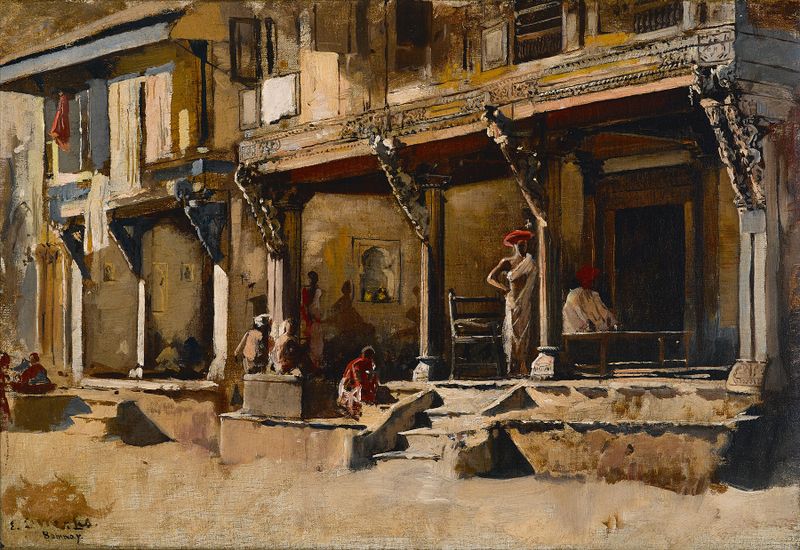
Merchants along a street in Bombay
Edwin Lord Weeks
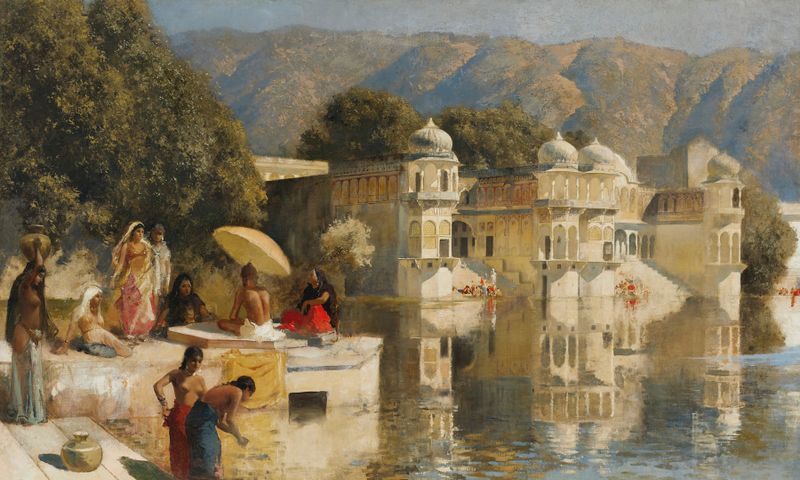
Lake at Oodeypore, India
Edwin Lord Weeks
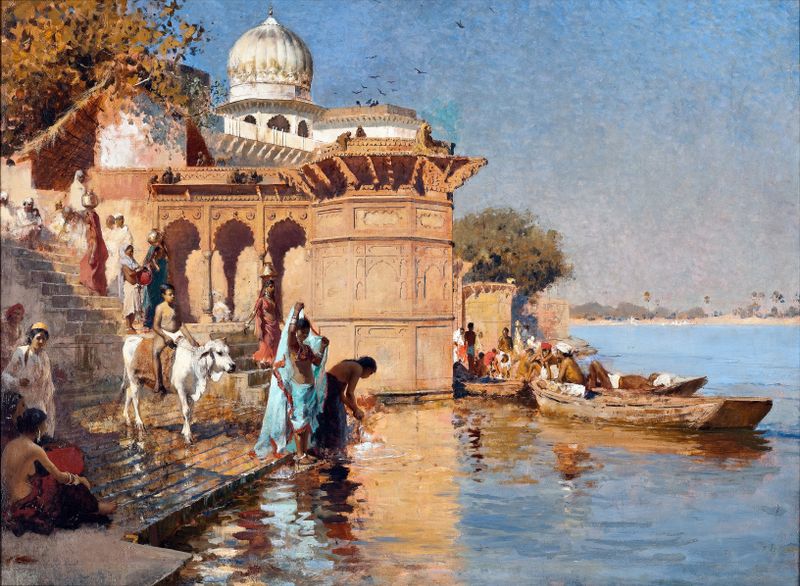
Along the Ghats, Mathura
Edwin Lord Weeks
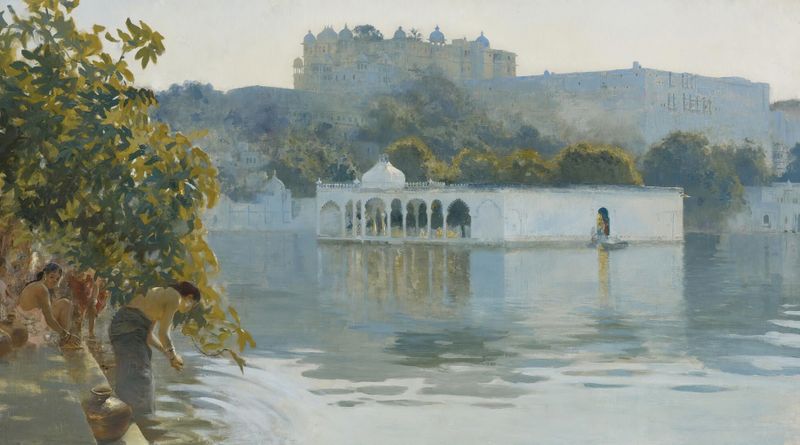
Lake At Oodeypore, India
Edwin Lord Weeks
More Historical Art
Browse all →
The Night Watch Militia Company of District II under the Command of Captain Frans Banninck Cocq
Rembrandt van Rijn

Lincoln Memorial
Henry Bacon

The Third of May 1808
Francisco de Goya

Isaac and Rebecca, Known as ‘The Jewish Bride’
Rembrandt van Rijn

The Charge of the Mamelukes (1814)
Francisco de Goya

De vier ruiters van de apocalyps
Albrecht Dürer