
Neige — History & Facts
In the stillness of winter, silence blankets everything, holding within it the whispers of nature's breath. This profound stillness invites reflection, urging us to consider what lies beneath the surface of frozen landscapes. Focus on the delicate snowflakes scattered across the canvas, each stroke capturing a unique moment in time. Look closely at the cool blues and whites blending harmoniously, suggesting the chill in the air while hinting at the warmth of hidden life beneath the frost.
The soft brushwork creates an ethereal texture, evoking a sense of peace and solitude that permeates the scene, drawing the viewer into its serene embrace. Beneath the surface, contrasts emerge between light and shadow, revealing the tension of isolation versus tranquility. The muted palette speaks to the quietness of winter yet hints at the vibrancy of life that lies dormant, suggesting a deeper narrative of hope and renewal. This juxtaposition compels the viewer to ponder not only the beauty of a snow-covered landscape but also the poignant solitude that accompanies it. In 1884, Schuffenecker was part of an artistic circle in France that embraced impressionist principles while simultaneously exploring personal expression.
Traveling and painting in various landscapes, he sought to capture fleeting moments of beauty influenced by the changing seasons. His work, particularly in Neige, reflects a desire to convey the emotional resonance found in nature, signaling a pivotal moment in his artistic development amidst the evolving art scene of the time.
More Artworks by Claude Emile Schuffenecker
Browse all →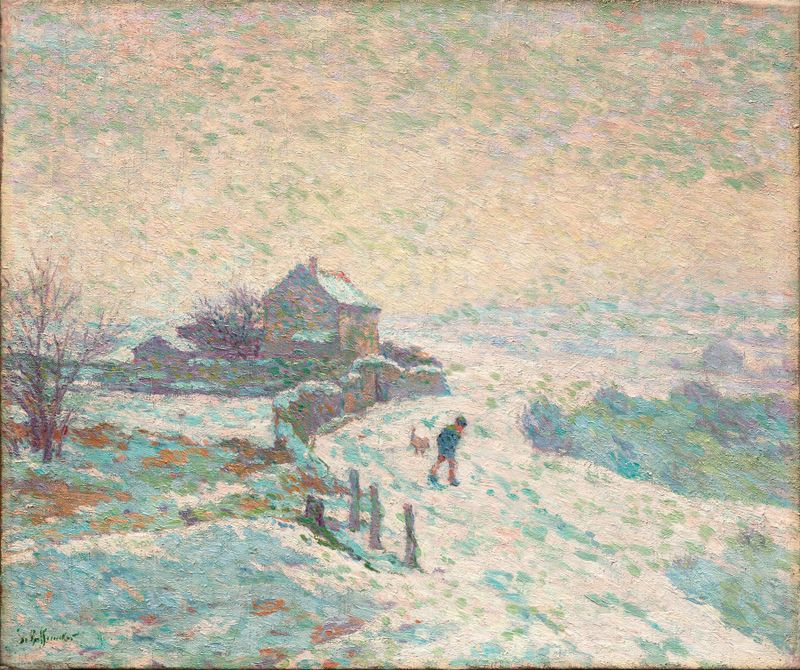
Paysage de neige
Claude Emile Schuffenecker
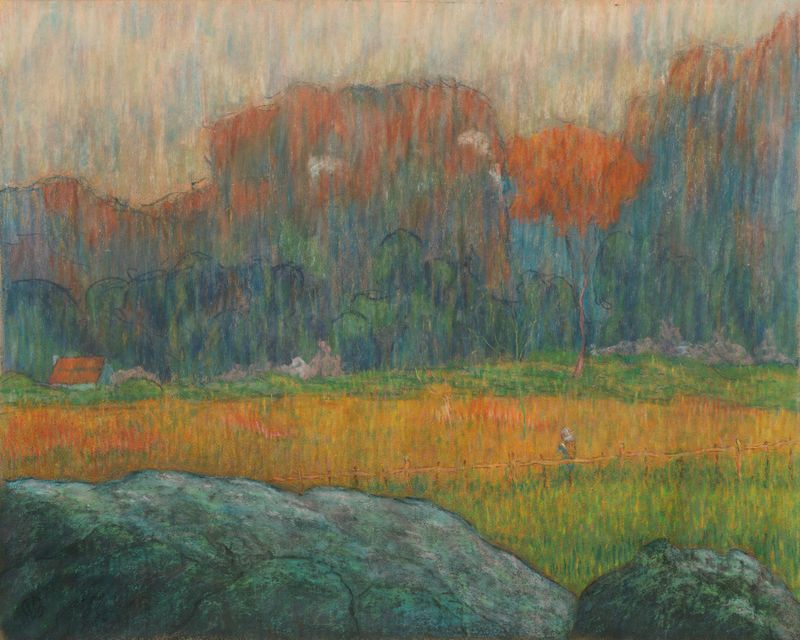
Landscape with Figure and Houses
Claude Emile Schuffenecker
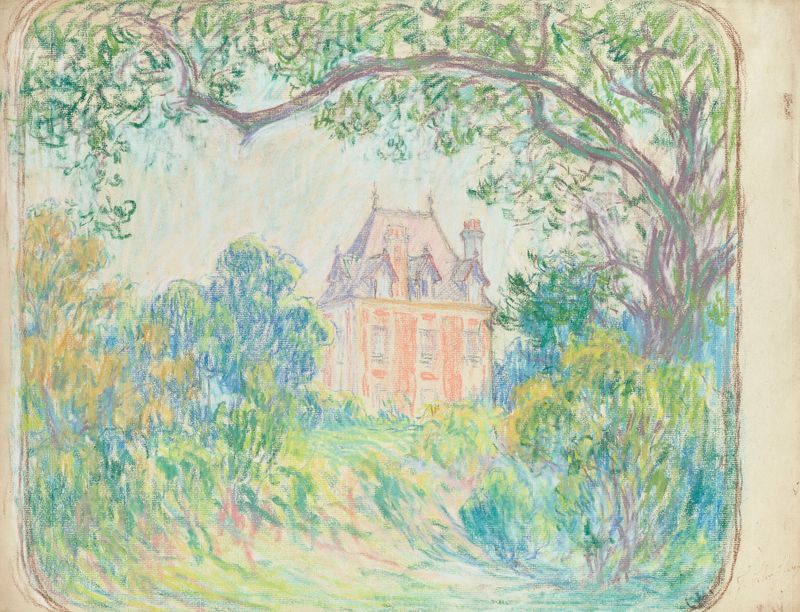
La Maison de Rodin à Meudon
Claude Emile Schuffenecker

A View of the Cliffs at Etretat
Claude Emile Schuffenecker
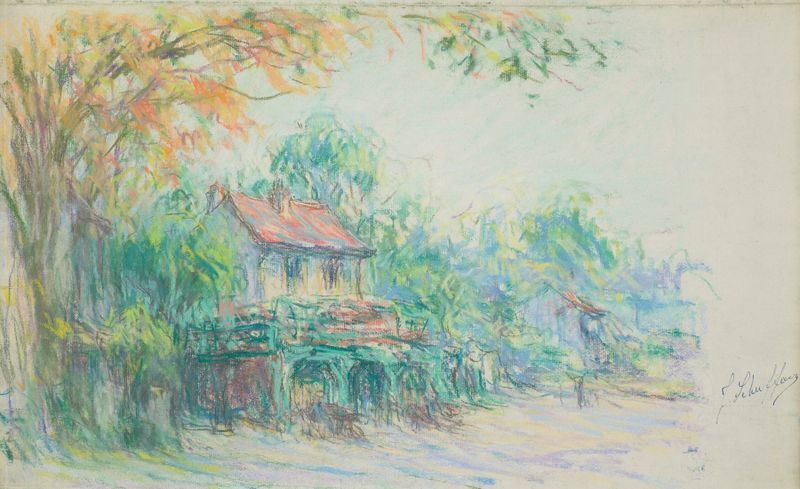
Paysage
Claude Emile Schuffenecker
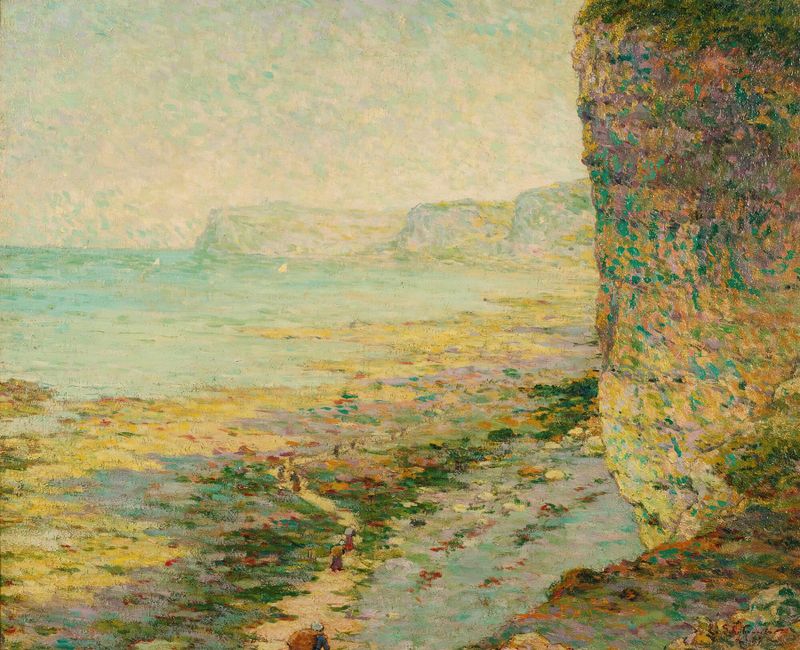
Falaises À Marées Basse
Claude Emile Schuffenecker
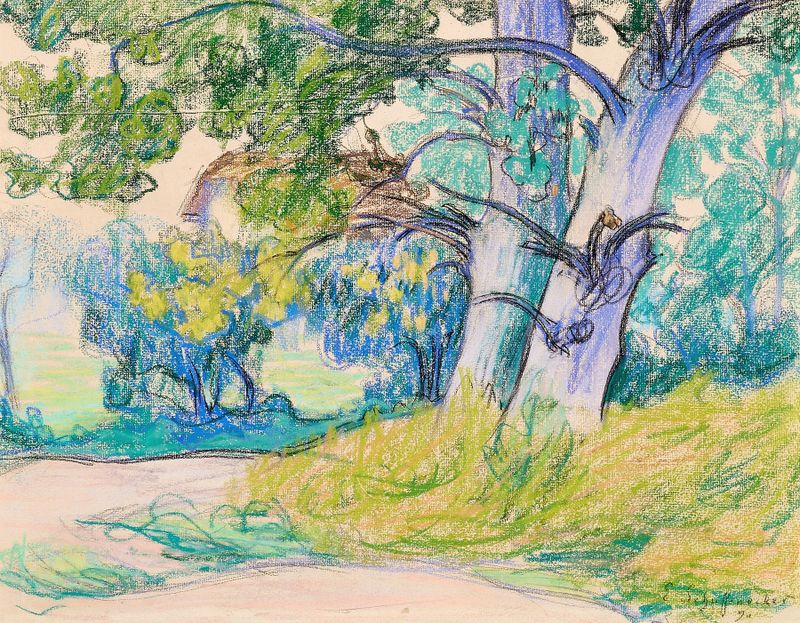
Le chemin dans un sous-bois
Claude Emile Schuffenecker

Falaises à Pantin
Claude Emile Schuffenecker
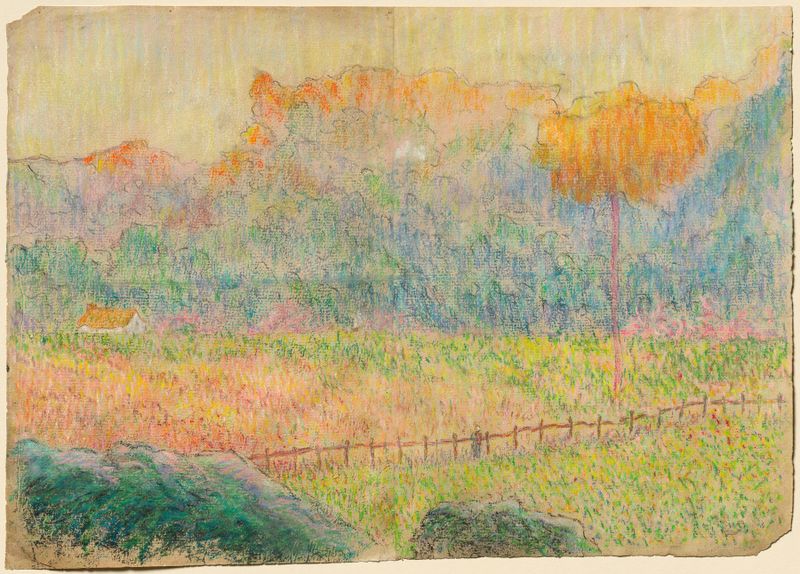
Study for ‘Landscape with Figure and Houses’
Claude Emile Schuffenecker
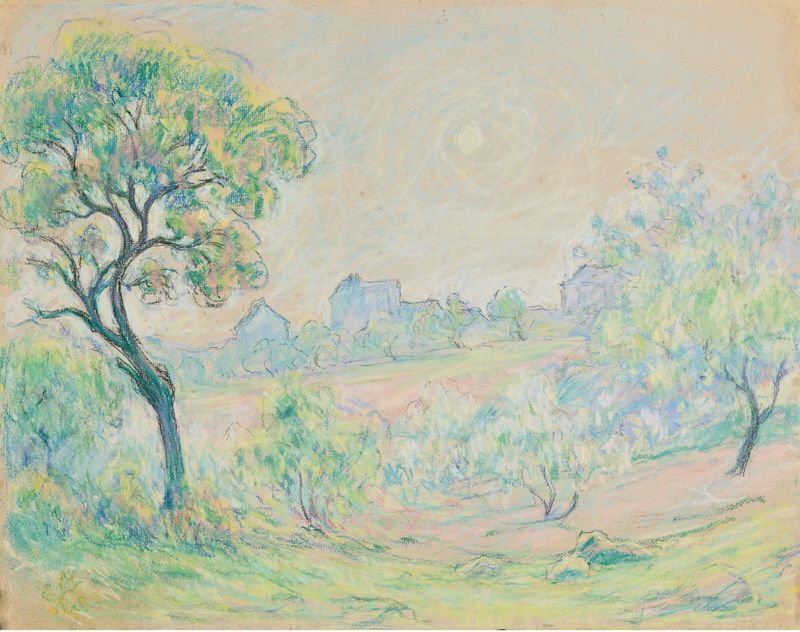
Paysage avec maisons au fond
Claude Emile Schuffenecker





