
Paysage de neige — History & Facts
What secret hides in the quiet of the canvas? In Paysage de neige, a serene winter landscape invites contemplation, evoking a deep sense of nostalgia that lingers in the crisp air of memory. Look to the foreground, where the delicate brushstrokes of white and blue intertwine to form a snowy blanket, softening the contours of a distant village. The muted tones of the sky, kissed with hints of lavender, create a tranquil atmosphere, drawing the eye towards the horizon. Notice how the tree silhouettes rise against the pale backdrop, their dark limbs providing a stark contrast that emphasizes both the desolation and beauty of winter’s embrace. Yet, within this stillness lies an emotional depth.
The scattered shadows suggest fleeting moments, perhaps the passage of time or the remembrances of those long gone. The tranquility is punctuated by the absence of human presence, evoking a poignant sense of solitude that resonates deeply, as if the landscape itself holds stories waiting to be uncovered. This interplay between silence and nostalgia envelops the viewer, making one reflect on their own connections to the past. In 1886, Schuffenecker painted this work while immersing himself in the Post-Impressionist movement.
At that time, he was influenced by the emerging emphasis on light and color, experimenting with techniques that would challenge traditional representation. This was a period marked by artistic exploration and personal growth for the artist, as he navigated his identity and vision amidst a rapidly changing art landscape.
More Artworks by Claude Emile Schuffenecker
Browse all →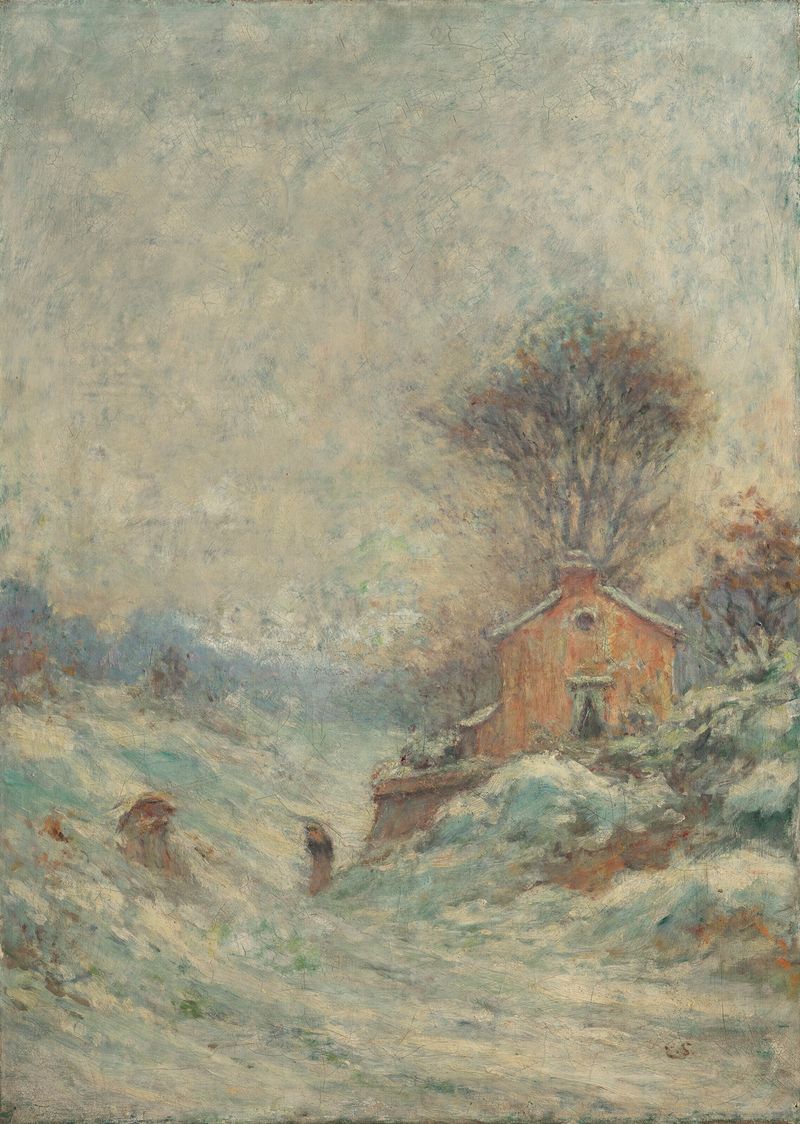
Neige
Claude Emile Schuffenecker
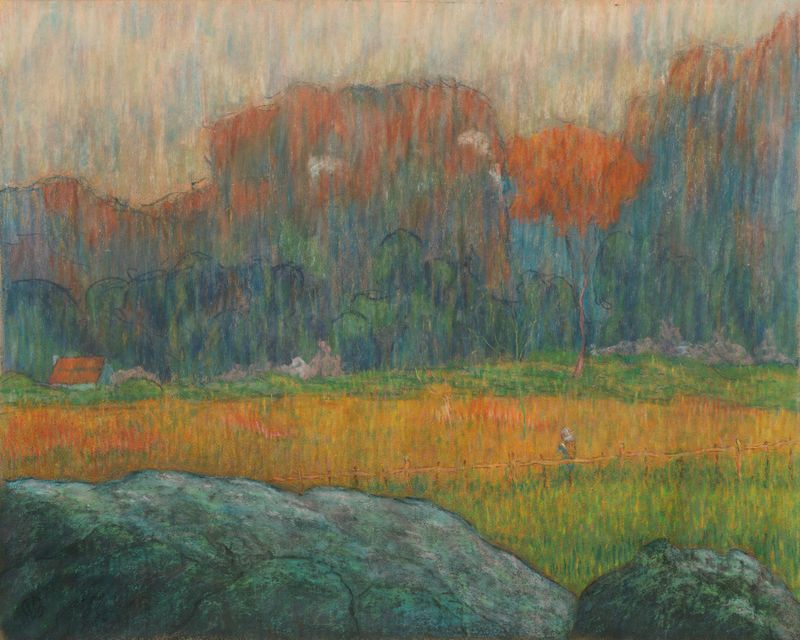
Landscape with Figure and Houses
Claude Emile Schuffenecker
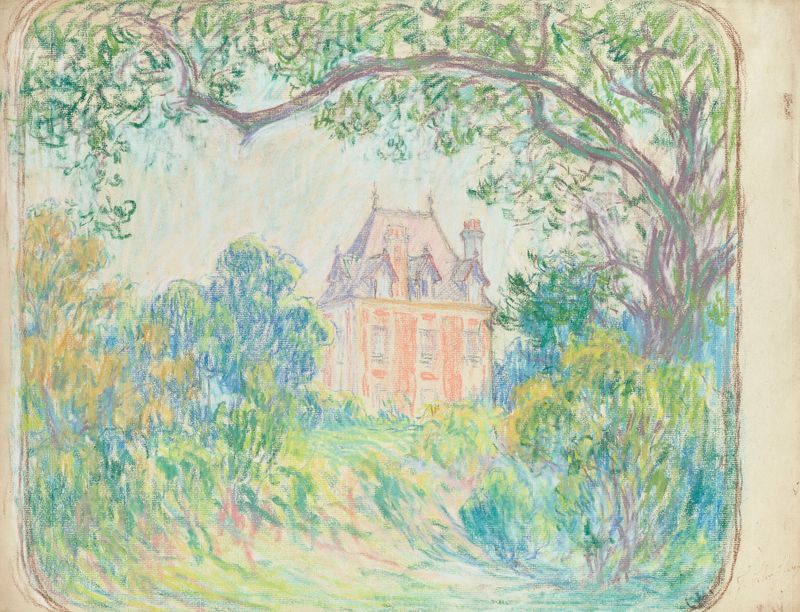
La Maison de Rodin à Meudon
Claude Emile Schuffenecker

A View of the Cliffs at Etretat
Claude Emile Schuffenecker
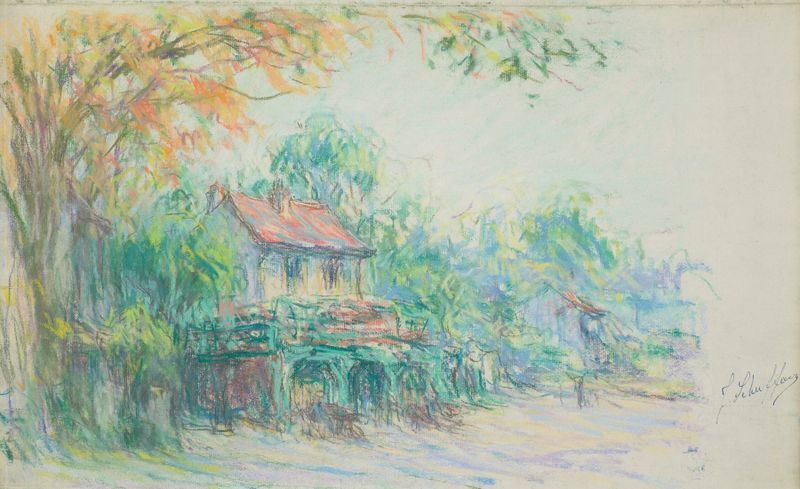
Paysage
Claude Emile Schuffenecker
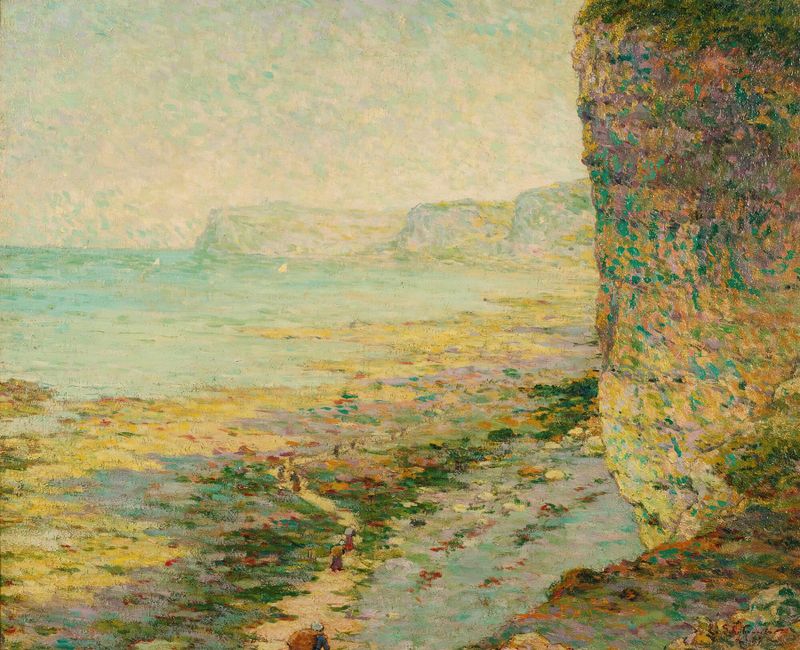
Falaises À Marées Basse
Claude Emile Schuffenecker
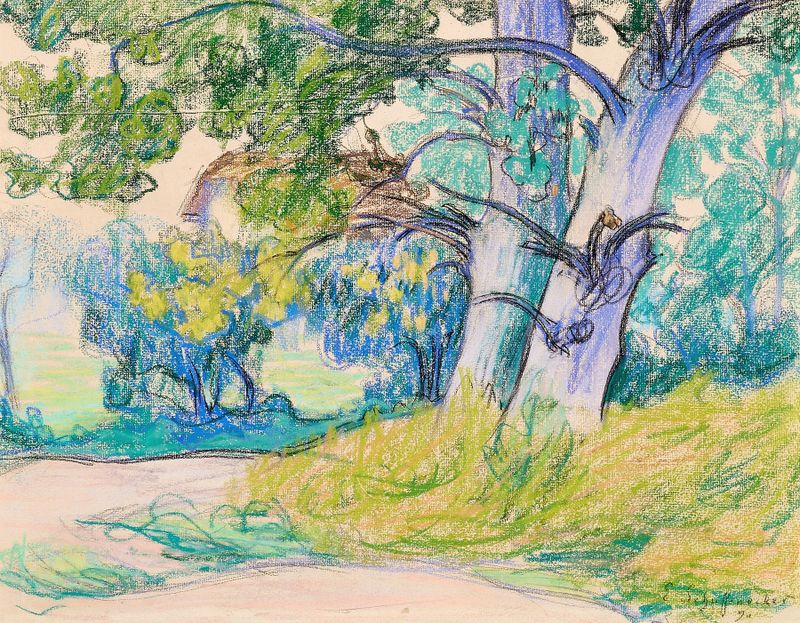
Le chemin dans un sous-bois
Claude Emile Schuffenecker

Falaises à Pantin
Claude Emile Schuffenecker
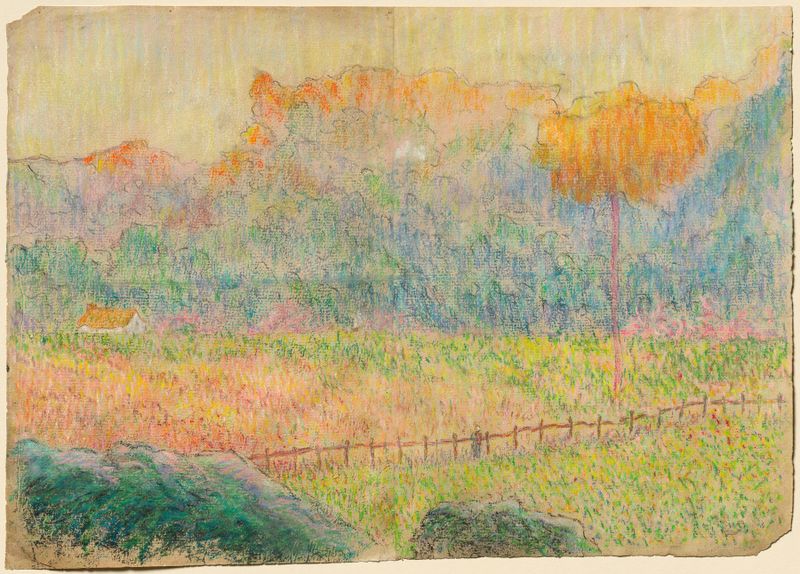
Study for ‘Landscape with Figure and Houses’
Claude Emile Schuffenecker
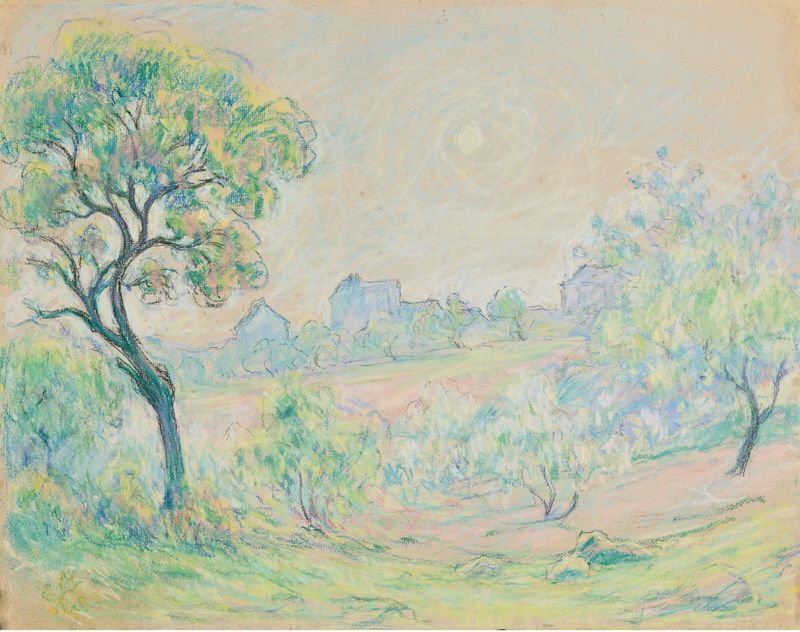
Paysage avec maisons au fond
Claude Emile Schuffenecker





