
Neige — History & Facts
Is this a mirror — or a memory? The quiet landscape beckons, inviting us to explore the delicate boundaries between reality and reflection, serenity and turmoil. Look to the left at the gentle sweep of snow blanketing the ground, softening the sharp edges of a world caught in winter’s embrace. The muted palette of whites and grays contrasts with the warm glow emanating from the distant windows of a charming cottage, suggesting warmth within the cold expanse. Notice how the artist expertly captures the interplay of light and shadow, creating a sense of depth that draws the eye toward the horizon, where the sky meets the earth in a harmonious gradient. Beneath this veneer of calm lies a tension borne from the world outside.
The snow, often a symbol of purity, here acts as a veil over the complexities of 1917, a year marked by revolution and unrest. The cottage, seemingly safe and inviting, contrasts starkly with the chaos of the era, whispering of refuge and the fragility of peace amid the surrounding turmoil. Each brushstroke serves not only to depict a scene, but to evoke the bittersweet sensation of nostalgia and longing for simpler times. Henri Le Sidaner painted Neige in 1917 while living in France.
This period was rife with the shadows of World War I, as society grappled with profound changes. As the artist captured the serene landscape, he sought to create a sanctuary amidst chaos, a portrayal of tranquility that resonated deeply with both personal and collective experiences.
More Artworks by Henri Le Sidaner
Browse all →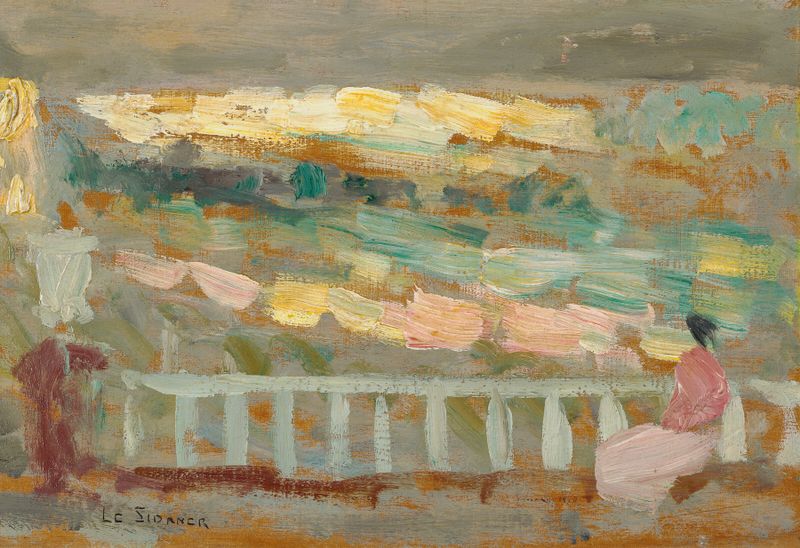
Terrasse à Gerberoy
Henri Le Sidaner
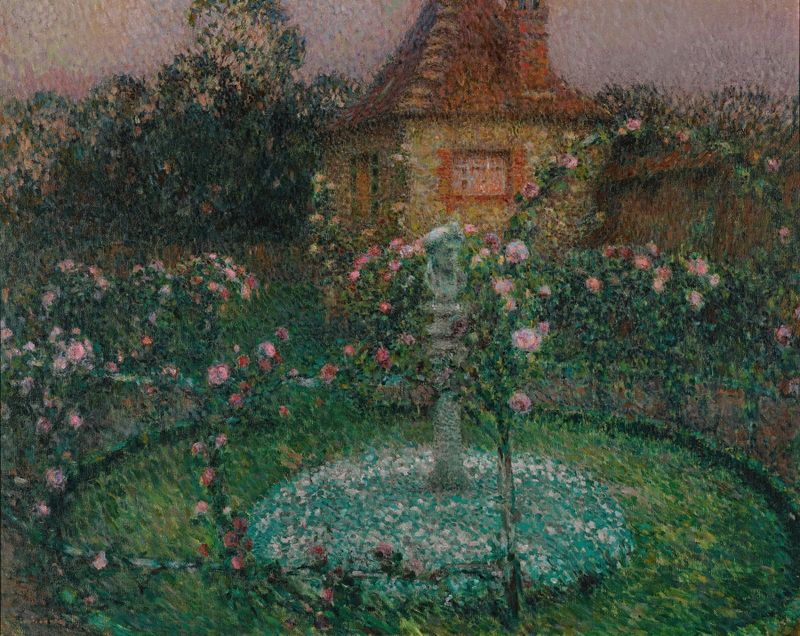
Le Pavillon, Gerberoy
Henri Le Sidaner
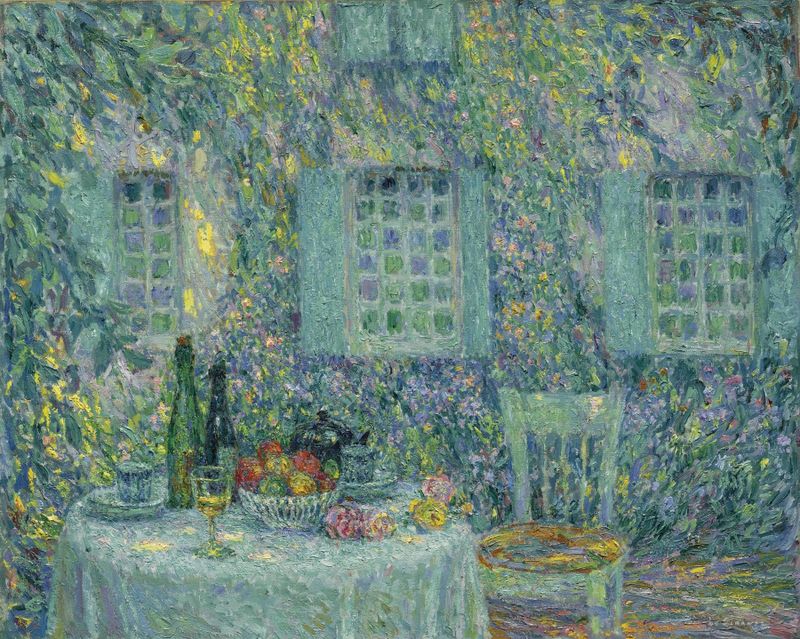
La Table, soleil dans les feuilles, Gerberoy
Henri Le Sidaner
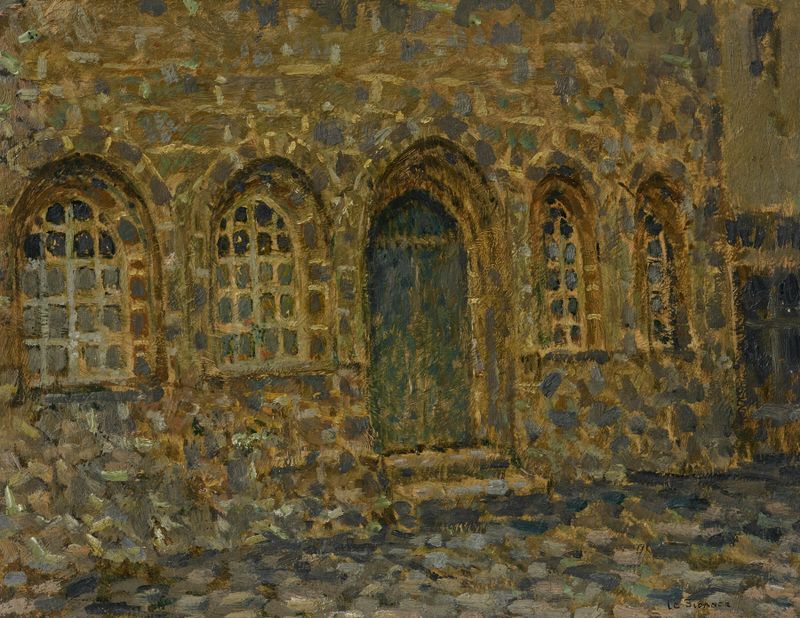
Maison ancienne, Tréguier
Henri Le Sidaner
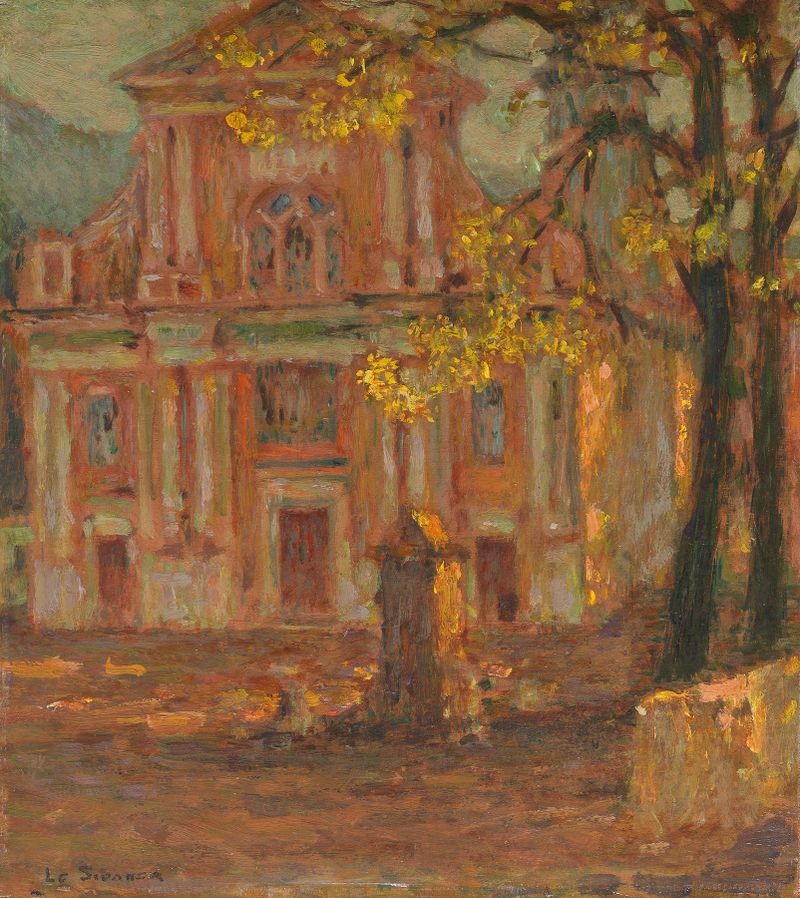
L’église, Dolceacqua
Henri Le Sidaner
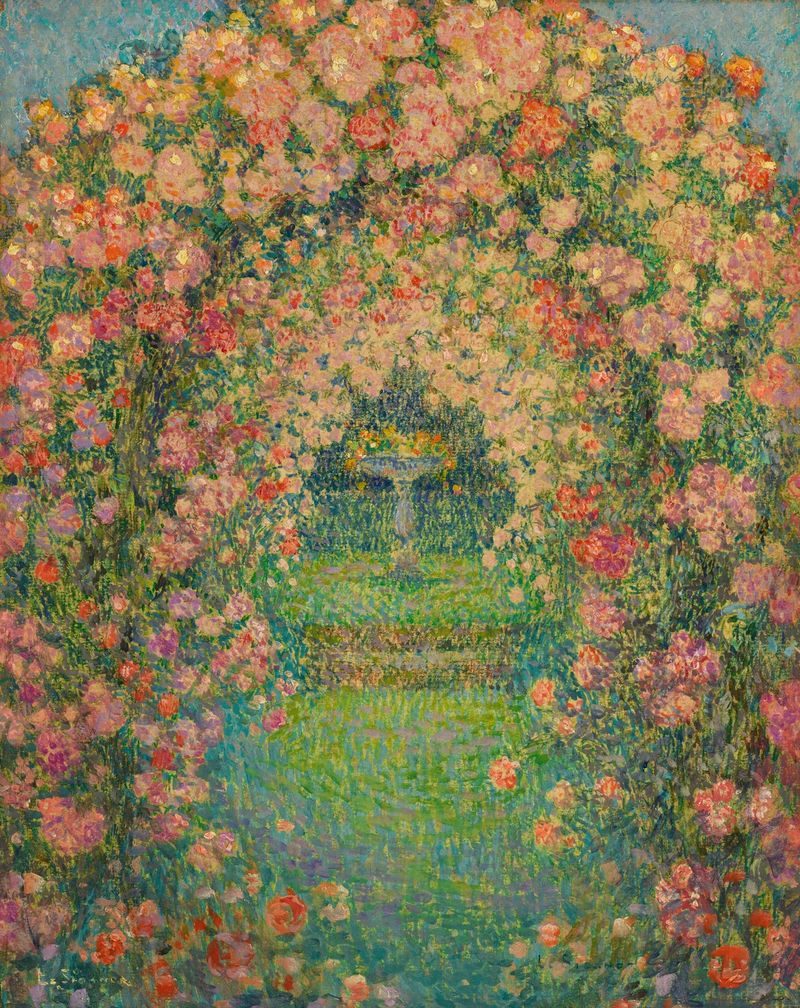
La Roseraie, Gerberoy
Henri Le Sidaner
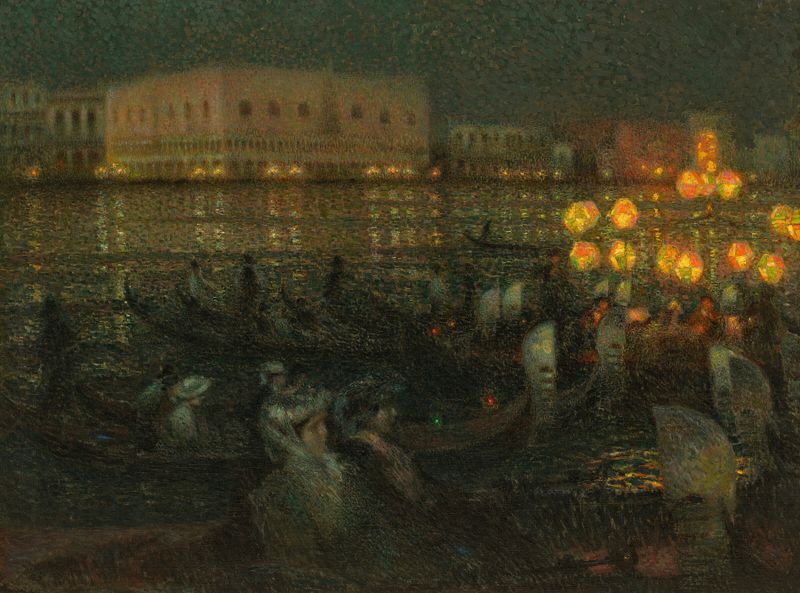
La Sérénade, Venise
Henri Le Sidaner
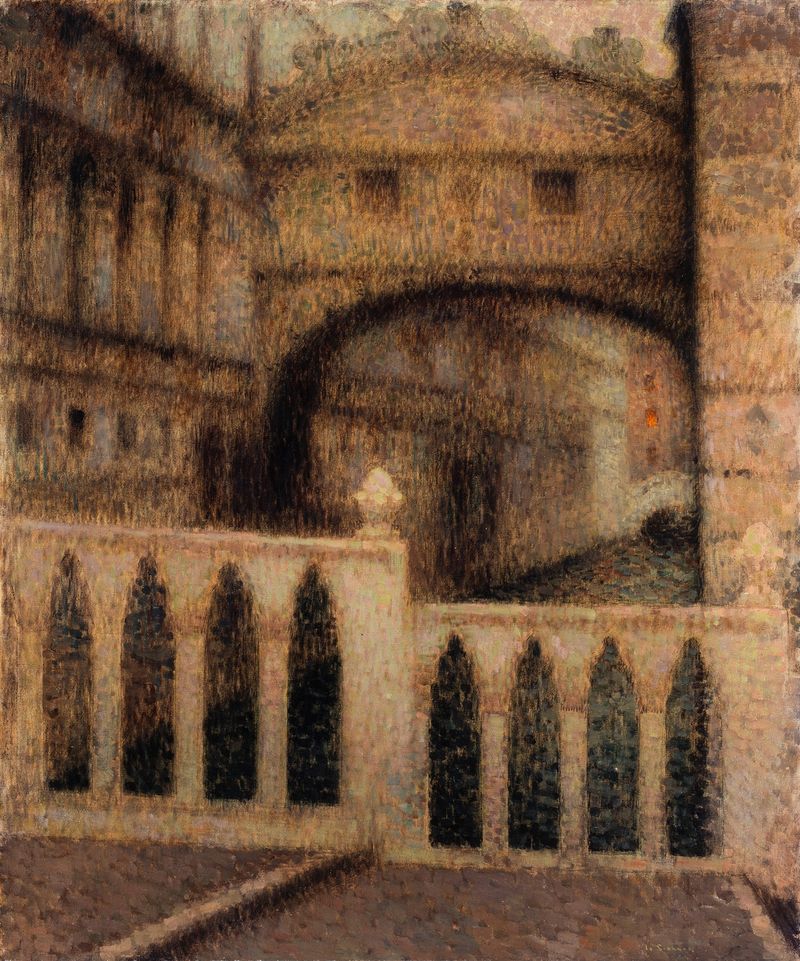
Le pont des Soupirs
Henri Le Sidaner
L’Église, Tréguier
Henri Le Sidaner
The Table in the White Garden at Gerberoy
Henri Le Sidaner





