Nettuno — History & Facts
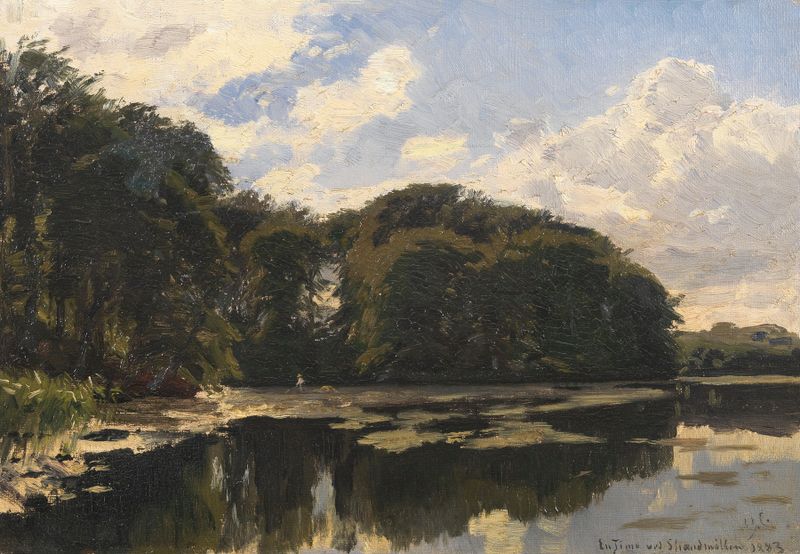
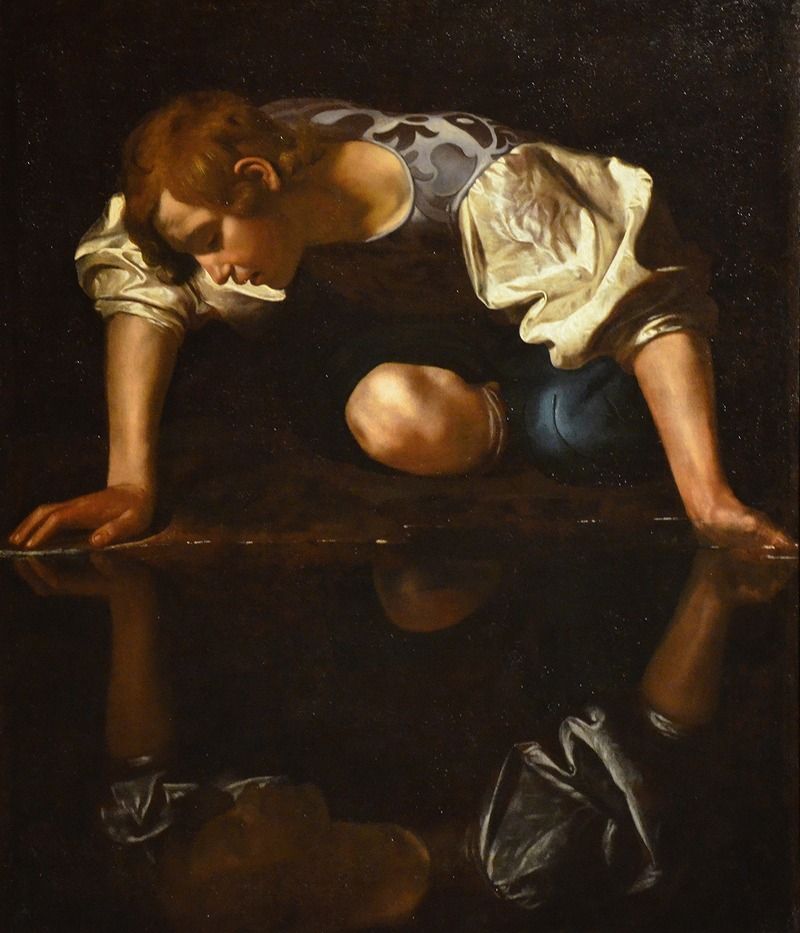
Is this a mirror — or a memory? The delicate whispers of innocence linger in the depths of Nettuno, a piece that invites contemplation of the fragile boundary between past and present. Focus on the flowing lines that sweep across the canvas, guiding your gaze towards the central figure of Neptune, whose majestic form emerges from a tapestry of blues and greens. Notice how the light dances upon the water’s surface, creating a shimmering reflection that evokes both movement and stillness. The artist’s meticulous brushwork breathes life into the scene, capturing the fluidity of water and the texture of the waves, while the play of color infuses a sense of serenity amid the tumult. Yet, beyond the surface beauty lies a deeper current.
The juxtaposition of Neptune's powerful posture against the ethereal quality of the surrounding water suggests the duality of strength and vulnerability. The serene expressions of the accompanying figures evoke a quiet reverence for the divine, hinting at a longing for the innocence often lost in the passage of time. Each detail, from the gentle waves to the wistful gazes, becomes a reminder of the beauty intertwined with nostalgia. In 1874, Godfred Christensen painted this work while living in Europe, amidst a flourishing scene of Romanticism and Academic art.
He sought to express the emotional resonance of nature through mythological themes, capturing the essence of classical stories in a contemporary light. This period was marked by a growing interest in nature's transformative power and a desire to explore the deeper human experience through art.