Night – faithful unto death — History & Facts
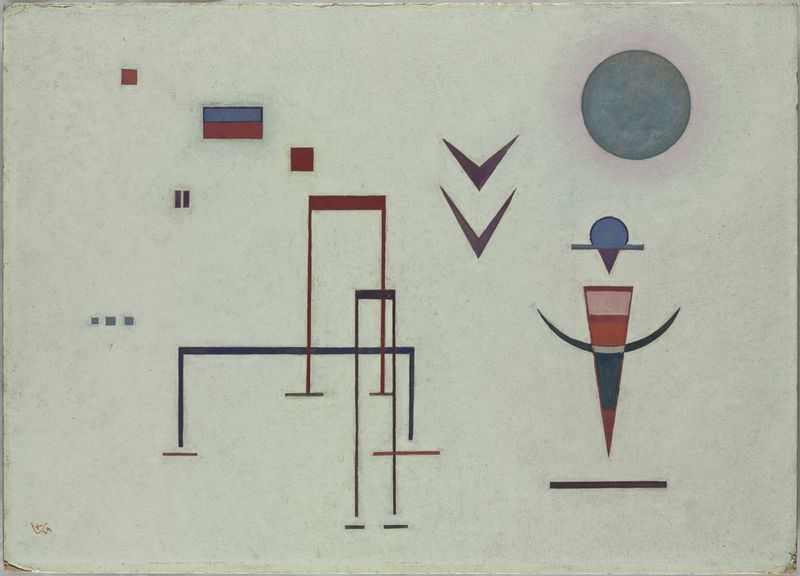
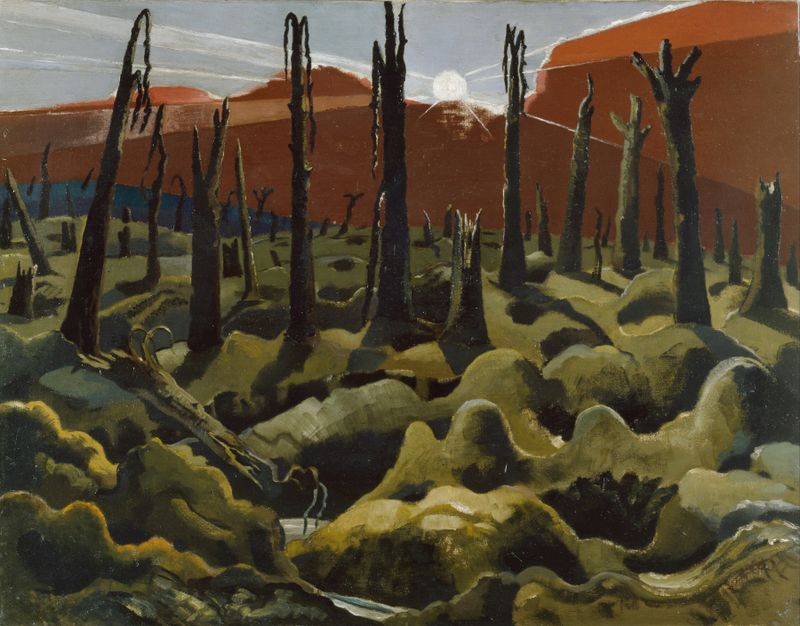
In the depths of the human psyche, madness often lurks, whispering untold stories of despair and longing. Focus first on the dark expanse that envelops the canvas, where shadows twist and contort with an unsettling vitality. Notice how the inky blues and blacks intermingle, creating a disquieting atmosphere that pulsates with uncertainty. The strokes of paint evoke the tension between light and darkness, blurring the lines of reality as figures emerge—distorted yet palpable, caught in a moment of suspended dread. As you delve deeper, consider the veiled figures, their expressions a poignant mix of anguish and resignation.
Each brushstroke radiates an urgency, a plea for recognition in a world that often overlooks suffering. The interaction between the light and dark not only reveals the physical space but also mirrors the internal turbulence of the characters, suggesting that madness is as much an external reality as it is an emotional tempest. In this period of his life, Albert Goodwin explored themes of spirituality and existential dread through his work. He painted during a time of great personal and artistic transition, as the late 19th century grappled with modernity and the implications of human thought.
This painting encapsulates the tension between the individual’s experience and a broader commentary on the human condition, marking his place in the narrative of early modern art.
More Artworks by Albert Goodwin
Browse all →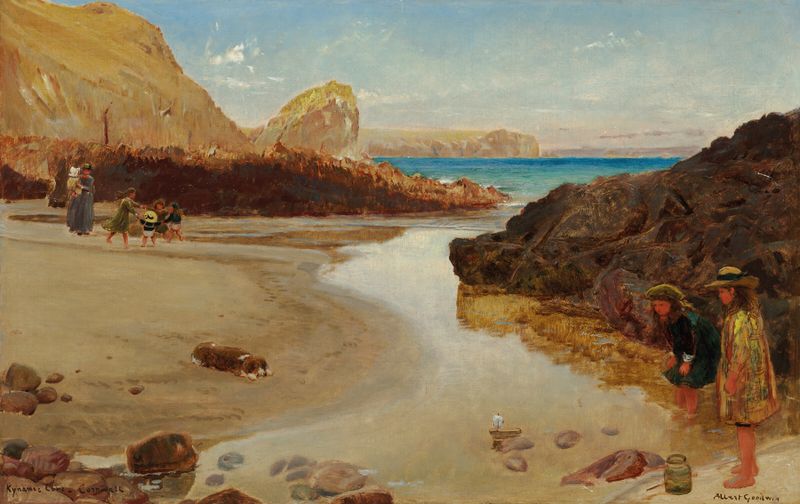
Kynance Cove, Cornwall
Albert Goodwin

Evening, St Hilda’s Abbey, Whitby, Yorkshire
Albert Goodwin

Sunset, Venice
Albert Goodwin
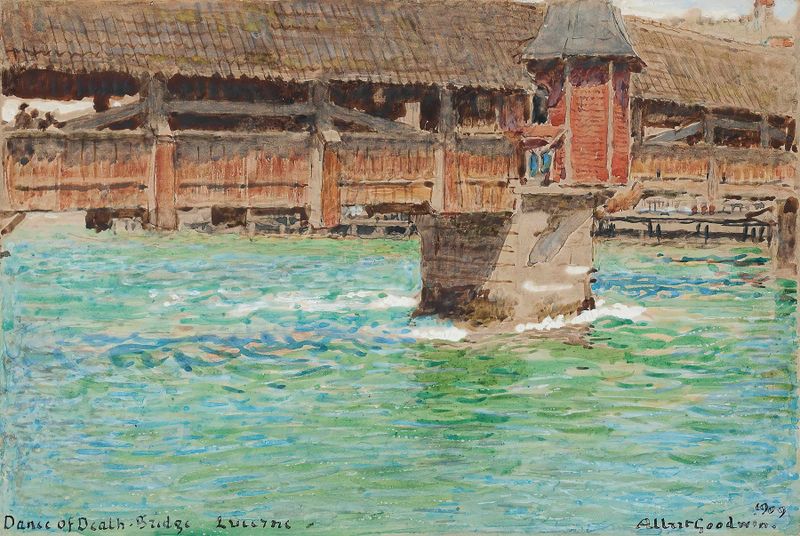
Dance Of Death Bridge, Lucerne
Albert Goodwin
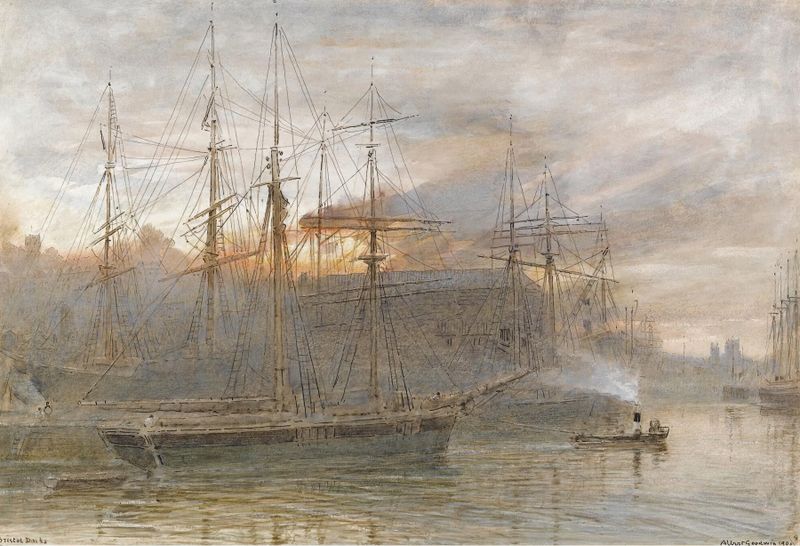
Bristol docks
Albert Goodwin

A view over Lake Lucerne
Albert Goodwin

Rockstone, Demerara, Guyana
Albert Goodwin

Autumn at Braunston, North Devon
Albert Goodwin

Cabbage palms, Demerara, Guyana
Albert Goodwin

In The Moonlight, Pontresina, Engadine, Switzerland
Albert Goodwin