Nimfen en saters opgesteld rondom een siervaas — History & Facts
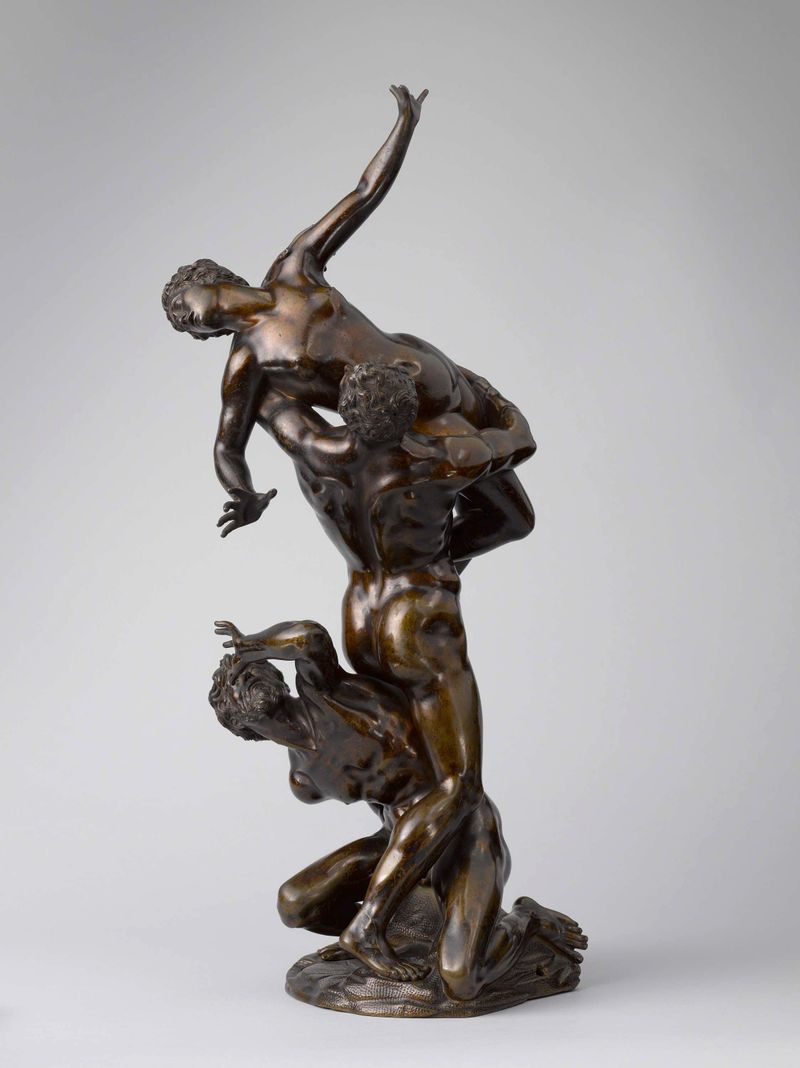
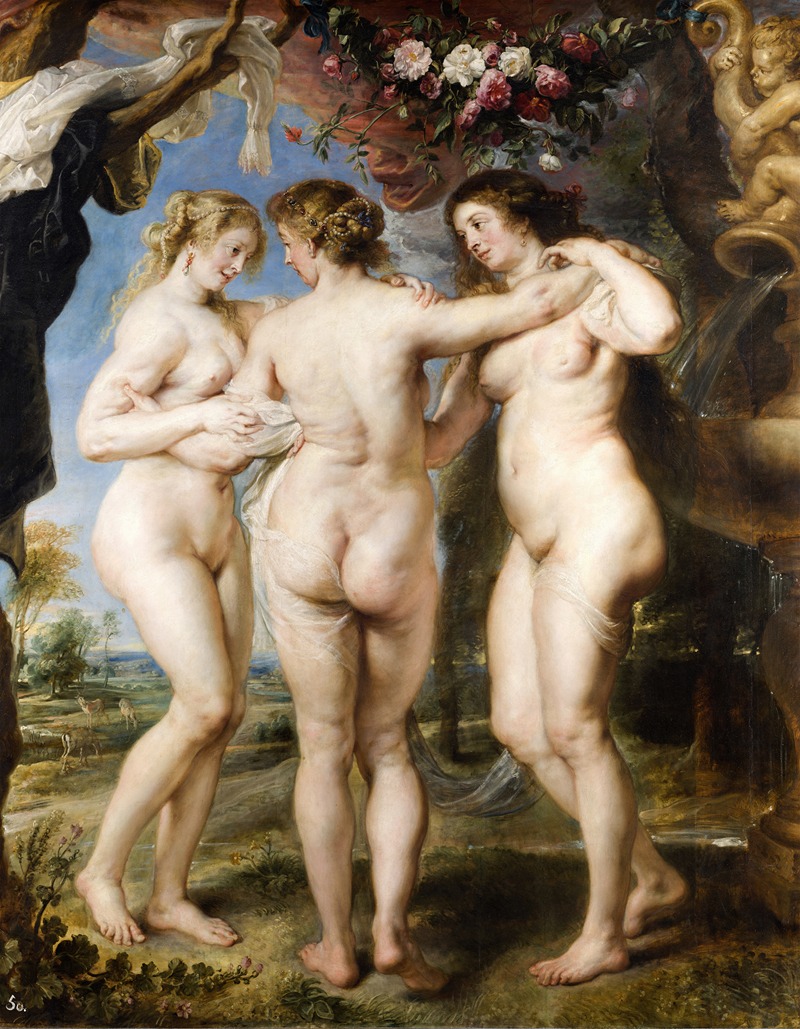
Who listens when art speaks of silence? In Nimfen en saters opgesteld rondom een siervaas, the cacophony of life is distilled into stillness, inviting viewers into a realm where chaos and calm coexist. Notice the intricately detailed figures grouped together, forming a vibrant tapestry of personalities. Look to the left where a satyr leans against a resplendent vase, its ornate surface reflecting the delicate balance of nature and decadence. The gentle play of light enhances the soft hues of the nymphs' flowing garments, contrasting against the more earthy tones of the satyr, while shadows deepen the sense of intimacy within the scene. Beneath the surface, there lies a tension between the playful and the chaotic.
The nymphs, with their fluid grace, seem to embody harmony, yet their presence is disrupted by the satyr’s wild demeanor. This interplay suggests a deeper narrative about the duality of existence – the serene beauty of nature is always shadowed by the unpredictable spirit of chaos inherent in life. The lavish vase stands as a symbol of civilization, encircled by beings that represent nature’s uninhibited vitality, emphasizing the fragility of order in a world teetering on the edge of disorder. Created between 1734 and 1796, this work emerged during a time when Franz Anton Maulbertsch was actively contributing to the Baroque movement in Austria.
During this period, the artistic community was experiencing a shift towards the Rococo style, characterized by its playful themes and ornate details, responding to the social and cultural changes of the Enlightenment. This painting captures the essence of that transition, blending traditional elements with a burgeoning interest in more dynamic representations of life.